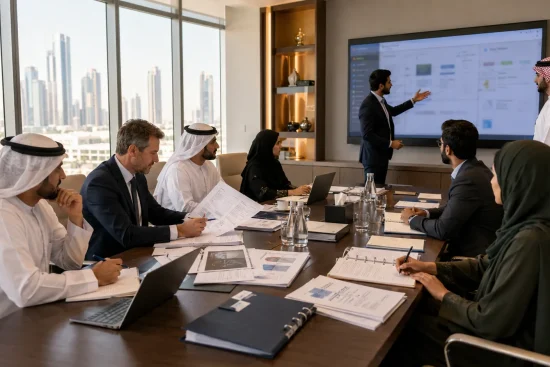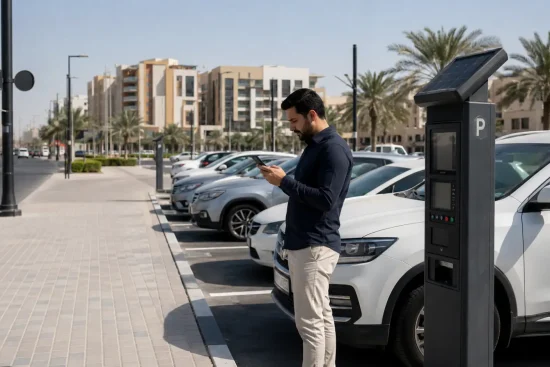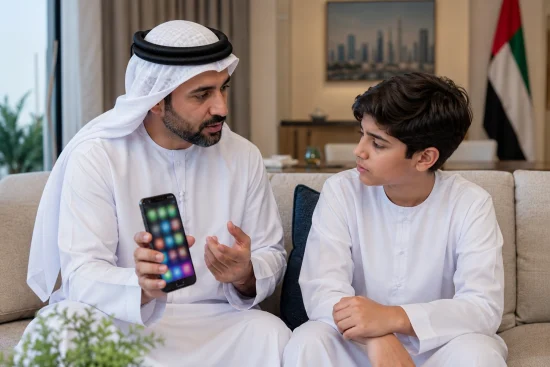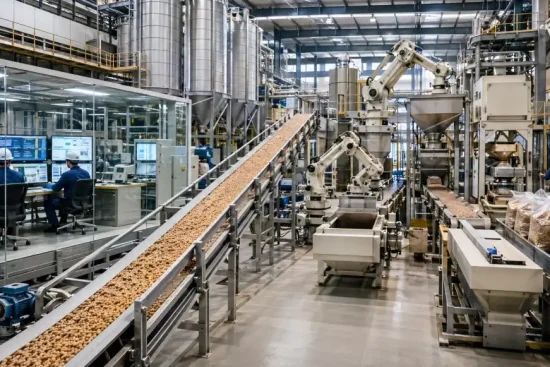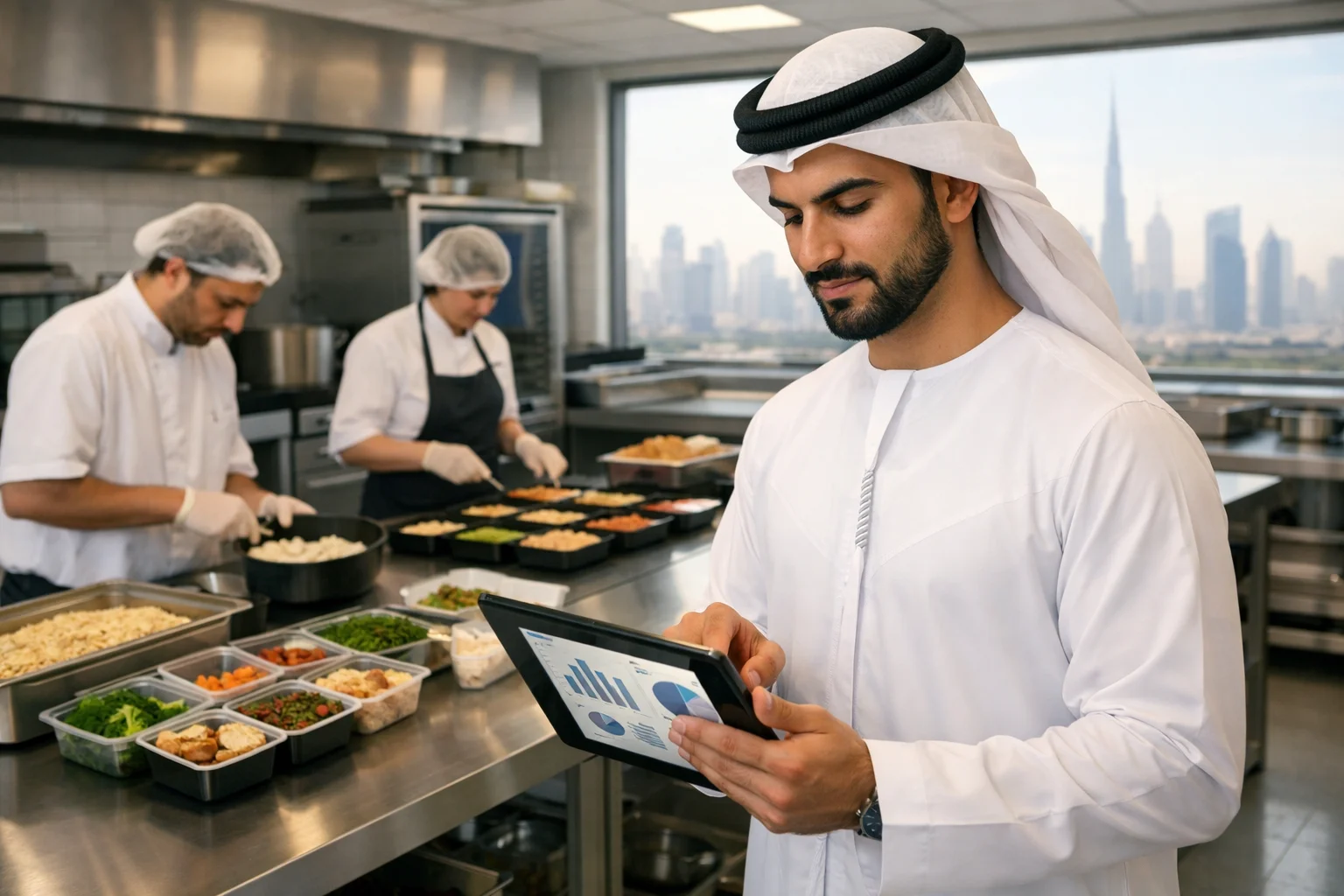
The food technology sector has become the United Arab Emirates, and Dubai in particular, a worldwide testing ground. It began as a convenience-driven business where speed was the only important criterion and has since developed into a complex, multi-layered ecosystem.
A unique combination of a diversified expat population, high discretionary income, and a government-supported push toward digital transformation is responsible for this change.
It takes more than just culinary skills for entrepreneurs to go from a tiny kitchen startup to a market-leading scale-up. It necessitates a keen awareness of a fast-changing consumer DNA that values seamless integration, transparency, and wellness.
In a city where time is the most valuable currency, the demand for a premium healthy meal plan Dubai has skyrocketed. We are seeing a shift away from the diet culture of the previous ten years.
Consumers of today aren’t only searching for a short-term solution to shed a few pounds. They are looking for a lifelong companion who can manage the mental strain of eating.
Before their first morning meeting, they want a service that is aware of their allergies, comprehends their fitness objectives, and consistently delivers.
Five clear themes emerge as the unavoidable cornerstones for any firm hoping to grow in 2026 and beyond as we look to the future of the UAE culinary sector.
How Meal Delivery Trends Are Shaping Opportunities for UAE Entrepreneurs?
1. The Rise of Bio-Individual Nutrition
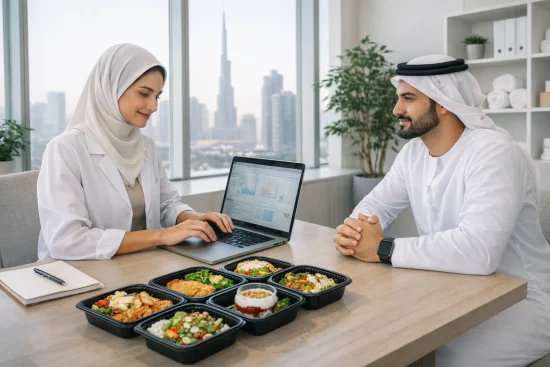
Generic Low Carb, Keto, or High Protein filters are quickly becoming outdated. A situation of Hyper-Personalization is emerging in the UAE market, where the meal plan is seen as a biological prescription rather than just a lunchbox.
- Integration with wearables: No longer are the most successful scale-ups silos. They are starting to connect their in-house applications to fitness trackers such as Oura, Whoop, and Apple Watch. This enables the kitchen to modify the calorie density of a user’s evening meal according to their real daily physical activity.
- Nutrigenomics (DNA and blood-based menus): The number of collaborations between private clinics and food delivery services is increasing. Through the analysis of a client’s unique inflammatory indicators, gut microbiome information, or metabolic rate, business owners may provide a degree of accuracy that renders conventional meal preparation obsolete.
- The entrepreneurial edge: You have to abandon the startup’s batch-cook approach if you want to grow in this market. Investing in AI-driven menu engines is necessary for scaling.
Without compromising the supply chain’s intricacy or the assembly line’s efficiency, these technologies may change ingredients for thousands of individual users at once, substituting nightshades for one and kale for another.
2. The Cloud-First Infrastructure and Ghost Kitchen 2.0
In the past, scaling in the United Arab Emirates required significant capital expenditures on premium real estate in locations such as Business Bay or Dubai Marina. But the contemporary businessperson understands that the brand is not confined to the physical shop; rather, it lives on the smartphone.
Why Infrastructure is the Secret Weapon
- Rapid geographic expansion. Specialized Cloud Kitchen providers, such as Kitopi or Kaykroo, have emerged, enabling startups to grow horizontally with extreme accuracy. Instead of months of building and licensing, a brand that started in a tiny Al Quoz kitchen may now test the waters in Abu Dhabi, Sharjah, or even Riyadh in a matter of weeks.
- Data-driven location scouting. Heat maps produced by third-party delivery aggregators are being used by scale-ups. Businesses may create a virtual brand in a cloud kitchen, especially to address delivery deserts, which are regions with a high demand for nutritious food but a limited supply.
- Operational efficiency. The link between a startup and a scale-up is automation. The elimination of food waste that besets boutique operations and the maintenance of the high-volume production necessary for profitability increasingly depend on automated inventory management systems that employ predictive analytics to purchase ingredients based on subscription cycles.
3. Sustainability as a Requirement, Not a Bonus
Consumer expectations have been permanently changed by the UAE’s national agenda, which was greatly impacted by the Year of Sustainability and the COP28 legacies. A meal plan that comes in a mound of single-use plastic is unacceptable to the contemporary UAE inhabitant. When a startup solves the plastic issue on a large scale, it really becomes a scale-up.
- Biodegradable and home-compostable packaging: Prominent companies are switching to packaging made of cornstarch or seaweed that decomposes naturally instead of using straightforward recyclable labels, which often wind up in landfills nevertheless.
- Zero-waste reverse logistics: For 2026, this is a huge trend. Expensive meal plans are putting in place mechanisms that have delivery drivers pick up discarded glass or special BPA-free containers from the drop-off the day before. In order to establish a circular economy, they are then brought back to a central facility for reuse and industrial-grade sanitization.
- The hyper-local sourcing revolution: Entrepreneurs can now obtain local greens all year round thanks to the UAE’s vertical farming industry’s explosive expansion, which is highlighted by establishments like Bustanica. This lessens the carbon footprint of products sent by air and is very appealing to the environmentally concerned foreign population that wants to help the United Arab Emirates achieve its food security objectives.
4. The Subscription Economy and Retention Science
Getting as many people as possible to sample a box is the aim of the initial phase. The game switches to Lifetime Value (LTV) during the scale-up phase. Churn is the hidden killer of development in the UAE because of the country’s migratory population and the vast volume of rival companies.
- Gamification and behavior design: Fitness applications and Duolingo are examples of successful scale-up strategies. Customers are kept psychologically attached to the company by using loyalty levels and streak awards (e.g., You’ve eaten healthily for ten days in a row!).
- Extreme flexibility for the global nomad: It’s no longer a luxury to be able to halt a subscription with a single touch for a work week in London or a weekend getaway to Salalah. This functionality is required. Customers will just cancel if they are unable to manage their calendar.
- The wellness club mentality: Scaling companies are creating communities in an effort to counteract the impersonal nature of digital delivery. This might include holding sampling parties, giving participants access to special wellness seminars, or giving members-only savings at nearby fitness facilities and rehabilitation facilities. You sell more than simply food. You are offering a pass to a better version of yourself.
5. AI-Driven Logistics and Last-Mile Perfection
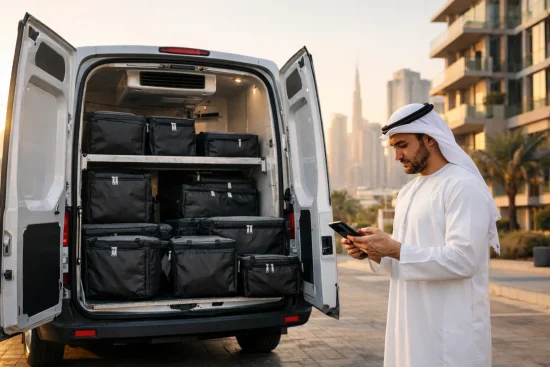
The last trend is the most technical and maybe the most important for the particular environment of the United Arab Emirates. Last-mile delivery is a logistical challenge because of the intense summer heat (which may exceed 50°C) and the erratic E11 traffic patterns.
The precision of the delivery window is generally the deciding factor between a 4-star and 5-star rating in the UAE meal delivery industry, rather than the chicken’s flavor.
By gaining complete control over their logistical data, scale-ups are succeeding. Brands can now ensure delivery within a constrained 15-minute timeframe, even during peak hour traffic, by using AI-powered route optimization.
The institutional trust required to convert a consumer from a trial week to a six-month commitment is developed by this degree of dependability.
Additionally, the Healthy Meal Plan is guaranteed to arrive not only on schedule but also at a temperature that is safe for eating, preserving the nutritious value of the components, according to real-time temperature monitoring inside delivery bags.
FAQs
What is the biggest challenge for meal delivery startups in the UAE?
Customer retention is the main obstacle. Customers often app-hop to take advantage of discounts since there are so many alternatives available. Instead of just competing on price, successful scale-ups overcome this by fostering strong brand loyalty via individualized nutrition and first-rate customer service.
Is it necessary to own a physical restaurant to scale?
No. In actuality, a large number of the UAE’s fastest-growing firms only use cloud kitchens. With this strategy, business owners can allocate funds to internet marketing and high-quality ingredients rather than front-of-house employees and high-street rentals.
How does the UAE’s climate affect the delivery business?
Cold-chain logistics must be rigorous due to the intense summer heat. It’s critical to keep fresh meals intact while traveling. To guarantee food safety and quality from the kitchen to the customer’s door, scale-ups need to make investments in premium insulated packaging and refrigerated delivery fleets.
How important is organic labeling for Dubai consumers?
Although it is becoming more and more significant, the larger trend is transparency. Customers are curious about the origins of their food. Although organic is a benefit, the fitness-focused audience tends to place more value on comprehensive macronutrient breakdowns and source details (such as local vertical farms).