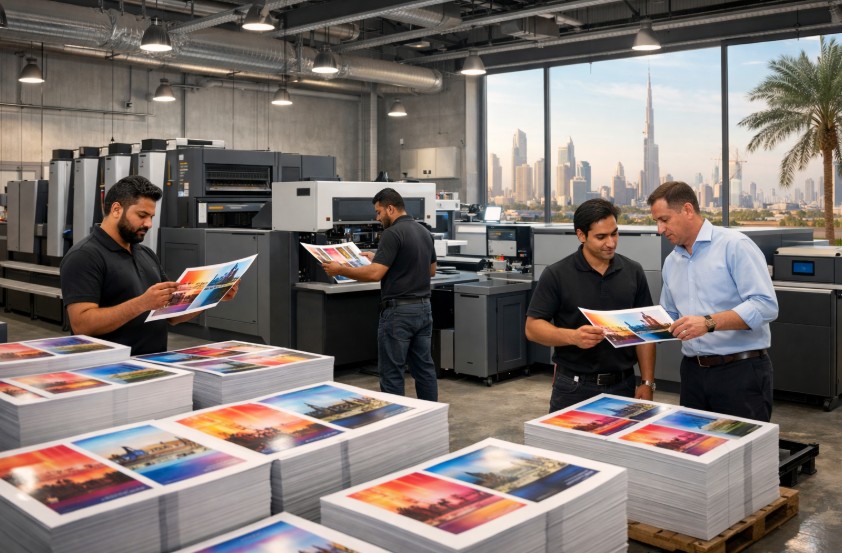
To effectively promote your brand, consider high-quality marketing collaterals that stand out. Look for providers that offer custom designs tailored to your specific needs, ensuring that each piece resonates with your audience.
Choosing a company with a diverse range of materials and finishes can enhance the visual appeal of your promotional items, particularly when it comes to flyer printing for marketing campaigns and events.
Look for options such as gloss, matte, or recycled paper to match your brand aesthetic and values. Timely delivery is another critical factor, select a provider known for its reliability in meeting deadlines to ensure your materials arrive exactly when you need them.
Review client feedback and portfolios to gauge the skills and techniques used by different establishments.
Many firms in the area offer online design tools that facilitate the creation process, allowing you to visualize the end product before production commences.
For maximum impact, inquire about bulk discounts and other promotional offers, which can significantly reduce costs while ensuring you receive top-quality products.
Connecting with local production experts will give you insights into market trends, enabling a more targeted approach to your marketing strategy.
How Do Design, Pricing, and Distribution Choices Affect Flyers?
Choosing the Right Design for Your Flyers
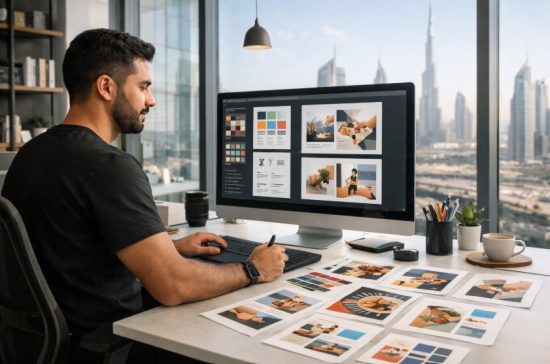
Select a color palette that resonates with your brand identity. Aim for 2-3 primary colors that are aesthetically appealing and align with the emotions you want to evoke.
Utilize clear and legible typography. Select font styles that are easy to read from a distance, ensuring key messages stand out. Combine a bold headline font with a simple body font for contrast.
Incorporate strong visuals. High-quality images or graphics relevant to your content can significantly enhance engagement. Ensure images are not overly busy to maintain focus on the main message.
Structure your layout logically. Use a grid system to organize information clearly. Prioritize essential elements such as headlines, visuals, and calls to action.
Integrate ample white space. This not only improves readability but also draws attention to crucial information. Avoid cluttering the design, which can dilute the message.
Incorporate branding elements. Logo placement should be noticeable but not overpowering. Consistency in design across all promotional materials reinforces brand recognition.
Consider your target audience’s preferences. Tailor design elements to the demographic you wish to attract. Research trending styles in your industry for inspiration.
Test your designs. Utilize mock-ups to gather feedback before finalizing. Adjust elements based on responses to ensure the design meets its intended purpose.
Comparing Local vs. Online Printing Options
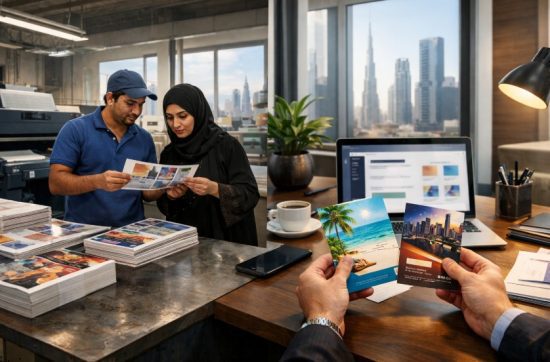
Choosing between local and online providers for your promotional material involves weighing various practical factors. Local options often allow for immediate consultations and face-to-face interactions.
This can lead to a clearer understanding of specific needs and preferences. You can directly review samples and quality before placing an order, ensuring that the outcome aligns with your expectations.
On the other hand, online providers typically offer a broader range of customization and often competitive pricing due to lower overhead costs.
Many online platforms have user-friendly interfaces that make it easy to upload designs and choose specifications without the need to visit a physical location. Additionally, they may offer faster turnaround times due to automated processes.
Quality and Cost Analysis
Quality can vary significantly between local shops and online outlets. Local establishments may use higher-quality materials, particularly for short runs, while online options may excel in cost-efficiency, especially for larger quantities. It’s advisable to request samples from both types before making a final decision.
In terms of pricing, local businesses might have higher rates because of local labor and overhead, but they may also provide personalized services that justify the cost. Conversely, online companies often have lower prices due to scale, but additional shipping fees might apply.
Turnaround and Flexibility
Turnaround time can vary significantly. Local businesses may offer same-day or next-day options for urgent needs, whereas online platforms might take longer due to production and shipping. If time constraints are critical, local providers may be the better choice.
Ultimately, the decision should be based on specific project requirements, budget considerations, and preferred communication style. Balancing quality and convenience can lead to the best choice for your next initiative.
Pricing Strategies for Flyer Printing in Dubai

Set competitive rates by researching local vendors. Analyze their offerings to establish a baseline for your pricing.
Volume Discounts
Encourage bulk orders by implementing tiered pricing.
For example:
- 100 copies at $50
- 500 copies at $200
- 1000 copies at $350
Package Deals
Create bundles that include design and additional features. This can appeal to customers seeking comprehensive solutions.
Consider these combinations:
- Basic: Design + 100 copies for $75
- Standard: Design + 500 copies + distribution for $250
- Premium: Design + 1000 copies + distribution + social media promo for $500
Promote limited-time offers to create urgency; effective for increasing short-term sales. Seasonal discounts also attract attention.
Factor in quality and materials when determining costs. Offering various paper options can cater to different audiences. Ensure that every option is priced appropriately.
Price transparency builds trust. Clearly outline what each package includes to avoid confusion and maintain customer loyalty.
Tips for Distributing Your Flyers Effectively
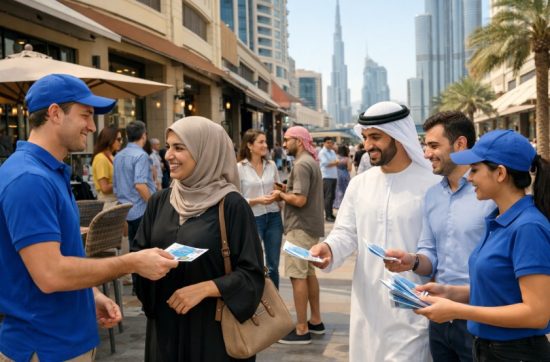
Target high-traffic areas where your audience frequents, such as shopping malls, cafes, and community events. Place materials in locations that align with your demographic’s interests to maximize engagement.
Strategize Timing
Consider peak times for foot traffic, such as weekends or holidays, to ensure maximum visibility. Plan distribution during these periods for greater exposure to potential customers.
Personal Interaction
Engage with recipients personally when handing out materials. A brief conversation can create a connection and increase the likelihood of them taking your promotional material seriously.
Utilize local events or markets to distribute materials directly to interested individuals. Participate in community gatherings where potential clients are present, enhancing the connection to your brand.
Design materials that stand out visually while ensuring that the content is clear and concise. Eye-catching designs encourage recipients to read your message rather than discard the material.
Incorporate a call to action in your content, guiding recipients on the next steps. Phrases like “visit our website” or “call us today” provide clear instructions on how to respond.
Track the effectiveness of your distribution methods by monitoring customer conversions linked to each campaign. Adjust your strategies based on the results to improve future initiatives.
Consider partnerships with local businesses to display your promotional materials. This can help reach a wider audience and create a sense of community support around your brand.