Have you been trying to log into your router using 192.168.l.70.1 and keep running into issues? You’re not alone. Many users in the UAE face login problems due to simple typing errors, especially when dealing with IP addresses for router configurations.
Whether you’re trying to access your du or Etisalat router settings, knowing the correct gateway address is crucial for setting up or modifying Wi-Fi and network configurations.
In this guide, you’ll discover the actual function of this commonly misused IP, why it doesn’t work, and how to successfully access your router’s admin panel. We’ll also walk you through step-by-step login instructions, default credentials used in the UAE, how to secure your router, and much more.
If you’re in the UAE and looking for a reliable, beginner-friendly router login guide, this article will help you resolve every common issue from IP errors to forgotten passwords.
Struggling to Access 192.168.l.70.1 on Your Router?
If you’re typing 192.168.l.70.1 in your browser and expecting to reach your router settings, you’re likely running into a “site can’t be reached” error. The problem starts with a tiny but crucial mistake, using the letter “l” instead of the digit “1”. Many UAE router users, especially with du or Etisalat connections, frequently encounter this due to how similar “l” and “1” look on-screen.
This incorrect IP format doesn’t point to any real address, which causes your browser to return an error. Instead, your router may use a real, valid IP such as 192.168.70.1, which is used by many du-branded ZLT routers, or other common IPs like 192.168.1.1 or 192.168.8.1 depending on your device model and ISP settings.
So if you’re struggling to connect using 192.168.l.70.1, the solution often lies in identifying the correct default gateway IP configured by your internet provider. Let’s dig into why this small typo causes such a big roadblock and how to get past it.
What Is 192.168.l.70.1 and Why It’s Incorrect?
At first glance, 192.168.l.70.1 might look like a valid IP address, but it’s not. The issue is that it uses the lowercase letter “l” in place of the digit “1”, which makes the format invalid in IP standards. Routers and browsers require precise IP structures, and even a small mistake prevents access.
Here’s why 192.168.l.70.1 is problematic:
- IP addresses only consist of numbers and dots (IPv4 format).
- There’s no such valid IP with a letter in the string.
- Browsers cannot interpret the address, so it doesn’t load.
Common mistakes similar to this include:
- Typing https //192.168.70.1 (missing colon).
- Entering 192.168.l.70.1 instead of 192.168.70.1.
- Using a search engine instead of the browser’s address bar.
Always ensure you’re using http://192.168.70.1 in the address bar. If your router supports SSL, you may use https://192.168.70.1 but expect a certificate warning, which is normal for local admin pages. Small typing mistakes are the most common reason UAE users fail to access their router settings.
What’s the Correct IP Address for Your UAE Router?
If 192.168.l.70.1 isn’t working, it’s time to find your actual router login IP. In the UAE, du and Etisalat routers often use IPs like 192.168.70.1, 192.168.8.1, or 192.168.1.1. These are known as private IP addresses, and they’re only accessible from devices connected to the same local network.
The IP address used by your router depends on its model, firmware version, and ISP settings. The most accurate way to find the correct IP address is by checking the Default Gateway on your device.
Some routers also print the default IP on the back label, alongside the admin credentials. But this may vary across models or may have changed after a firmware update. Your best bet is to rely on your device’s current network configuration to find the live gateway.
How to Find the Right Default Gateway (OS-Based Guide)?
To locate the correct IP used by your router, use the following steps based on your device:
| Operating System | Steps to Find Default Gateway |
| Windows | Open Command Prompt and type ipconfig. Look for “Default Gateway”. |
| macOS | Go to System Settings → Network → Select active connection → Click “Details” to see “Router”. |
| Android | Open Wi-Fi settings → Tap connected network → Tap “Advanced” → View Gateway. |
| iPhone/iPad | Go to Settings → Wi-Fi → Tap the (i) next to the network → Find “Router”. |
| Linux | Open terminal and run `ip route |
Once you find the IP (e.g., 192.168.70.1), type it into your browser’s address bar to access your router’s login page. If this IP does not work, double-check your connection or switch to a different browser to rule out display issues.
How Can You Log in to Your Router via 192.168.70.1?

To access your router settings, you need to use the correct IP 192.168.70.1, not the typo 192.168.l.70.1. Make sure your device is connected to the router via Wi-Fi or Ethernet before proceeding.
Here’s how to log in:
- Open your preferred browser (Chrome, Edge, Safari).
- Type http://192.168.70.1 into the address bar, not the search bar.
- Press Enter, and wait for the login page to load.
- Enter the default username and password found on the router label.
Pro tip: Use a wired connection if possible, especially when changing settings. This prevents you from being disconnected during updates or firmware changes. If the page doesn’t load, try restarting your router or checking the actual gateway IP as discussed above.
What Are the Common Default Router Logins in the UAE?
Most routers in the UAE, especially du and Etisalat, come with pre-configured login credentials. These are printed on the device label or mentioned in your user manual. If you’ve never changed them, they should still work.
Below is a list of the most common default login combinations:
| Username | Password |
| admin | admin |
| admin | password |
| admin | 1234 |
| admin | blank |
| user | user |
| root | admin |
Always check your router’s sticker for the exact credentials. If you changed them and forgot, a router reset will restore these default values. Make sure to create a secure password afterward to prevent unauthorized access.
Why Can’t You Access 192.168.70.1 or 192.168.l.70.1?
Many users fail to access their router admin panel due to a few avoidable issues.
If 192.168.70.1 doesn’t load, or you’re using 192.168.l.70.1, here are likely reasons:
- You’re typing the wrong IP address (check the letter vs number issue).
- The device is not connected to the router’s network.
- Using a VPN or proxy that blocks local IP access.
- Entering the IP in a search engine instead of the browser’s address bar.
- Browser cache or IP conflicts are interfering with access.
Try using a different device or browser, disable VPNs, and flush your DNS cache. Always ensure you’re using the actual IP shown as your device’s gateway to avoid connection failures.
How Do You Reset Your Router If You Forgot Login Details?
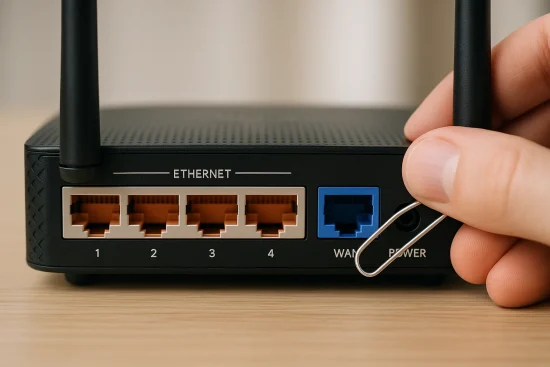
If you can’t remember your custom router login credentials, resetting your device is the easiest fix. A factory reset brings back the original username and password.
To reset your router:
- Keep the router powered on.
- Locate the small reset hole, usually at the back.
- Insert a pin or paperclip and press and hold for 10 to 15 seconds.
- Wait for the router to reboot automatically.
After resetting, reconnect to the default Wi-Fi network (SSID) and login using the original credentials from the router sticker. Make sure to reconfigure your Wi-Fi name, password, and other settings for secure usage.
What to Do After a Reset?
Once your router has been reset, it’s important to restore the basic settings to keep your network running smoothly.
Here’s what you should do next:
- Reconnect to the default network name (SSID) printed on the device.
- Log in using the default username and password.
- Access the router dashboard via the correct IP (usually 192.168.70.1).
- Update the Wi-Fi name and password to something secure.
- Save a configuration backup to use in case of future resets.
Don’t forget to also change the admin panel password, which controls access to router settings. Keeping the default can expose your network to risks, especially if you have visitors or shared access.
How Do You Change Wi-Fi Name and Password in UAE Routers?
Changing your Wi-Fi network name and password helps protect your connection and allows you to personalize your network.
Here’s how to do it:
- Log in to your router dashboard using the correct IP address.
- Navigate to Wireless or Wi-Fi Settings.
- Look for SSID name, and enter a new network name.
- Set a strong password using WPA2 or WPA3 encryption.
- Apply the changes and reconnect all devices with the new credentials.
If you’re using a dual-band router, you may see settings for both 2.4 GHz and 5 GHz networks. You can set different names or the same for both bands depending on your preference.
How Can You Secure Your Router After Login?
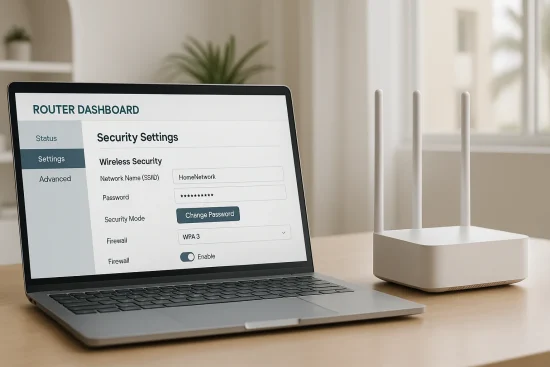
After logging into your router, securing it should be your next step to prevent unauthorized access.
Follow these essential security tips:
- Change the admin login credentials from the default values.
- Go to the firmware update section and install the latest version.
- Disable WPS (Wi-Fi Protected Setup) unless you use it regularly.
- Enable WPA2 or WPA3 encryption for your Wi-Fi network.
- Set up a guest network for visitors or smart home devices.
- Export a backup configuration file in case of future resets.
By applying these measures, you significantly reduce the chances of external interference or unauthorized users accessing your network. Taking a few minutes now can save you from potential risks later.
Conclusion
Trying to access 192.168.l.70.1 is a common mistake that can lead to frustration. Thankfully, with the correct IP address like 192.168.70.1, you can easily reach your router’s admin dashboard and take full control of your network.
Whether you’re using a du-branded ZLT, an Etisalat router, or a generic brand, the key lies in knowing your correct default gateway and using proper login steps.
From fixing login issues to resetting your device and securing your Wi-Fi, the steps outlined above give you all the tools to manage your network confidently.
Always keep your credentials safe, your firmware updated, and your configuration backed up. With this guide, you can avoid unnecessary downtime and maintain a secure, stable connection at home or work.
FAQs
What is 192.168.l.70.1 used for?
It’s a common typo. The correct IP is 192.168.70.1 used to access router settings.
Can I log into 192.168.70.1 from my phone?
Yes, as long as your phone is connected to the router’s Wi-Fi network.
Why is 192.168.l.70.1 not opening in my browser?
Because it’s not a valid IP address. Use 192.168.70.1 instead.
What’s the correct IP for du routers?
du routers typically use 192.168.70.1, 192.168.8.1, or 192.168.1.1.
Is it safe to use 192.168.70.1?
Yes, it’s a private IP accessible only within your local network.
Do I need internet to access 192.168.70.1?
No, but you must be connected to the router through Wi-Fi or Ethernet.
What should I do if I forgot my router password?
Reset your router using the reset button, then use the default login credentials.