No, the UAE has not officially declared war on Iran. However, the region is experiencing serious military tensions after Iran launched missile and drone attacks on several Gulf countries, including the United Arab Emirates.
The UAE government has confirmed that its air defence systems intercepted incoming threats, and leaders have stated that the country is prepared to defend its citizens and respond to any danger.
While some leaders described the situation as a “period of war,” this does not mean that the UAE has formally declared war on Iran. Instead, the country is focusing on defensive actions, security preparedness, and regional coordination while the broader Middle East conflict continues.
Key takeaways you should know:
- The UAE has not formally declared war on Iran
- Iranian missiles and drones have targeted Gulf states
- UAE air defence systems are intercepting threats
- The government says it is ready to deter attacks
- Regional tensions increased after US and Israel strikes on Iran
- Airports and infrastructure in the Gulf have experienced disruptions
Has UAE Declared War on Iran? The Short Answer You Need to Know
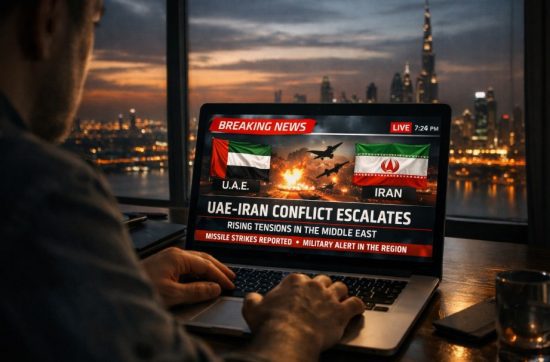
If you are searching online, asking has UAE declared war on Iran, the short answer is no. The United Arab Emirates has not issued an official declaration of war against Iran. However, the security situation in the Gulf has become tense after Iranian missiles and drones targeted several countries in the region that host US military assets.
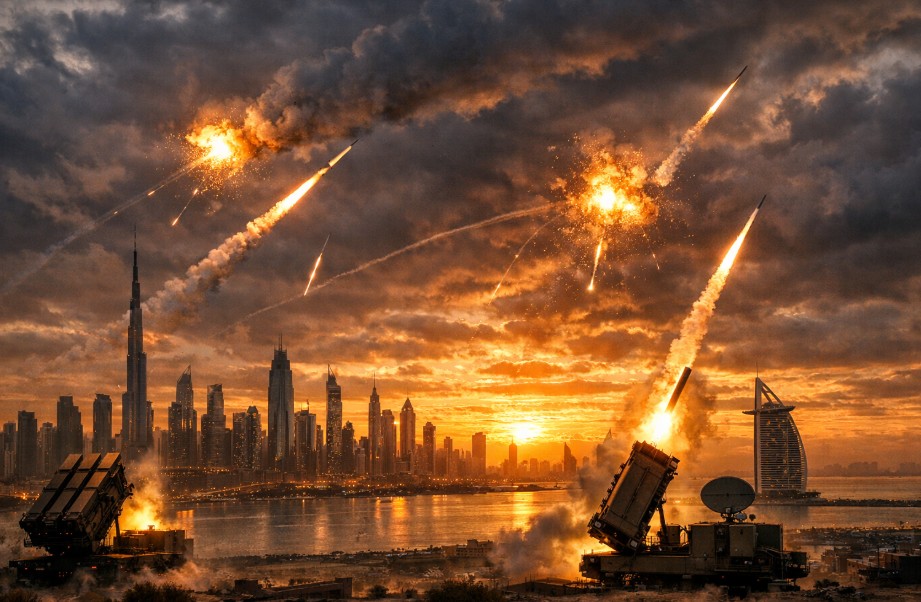
The UAE Ministry of Defence confirmed that its air defence systems intercepted incoming missile and drone threats. These defensive actions are meant to protect the country’s territory, infrastructure, and residents. Defensive military responses do not automatically mean that a country has declared war.
UAE leadership has repeatedly emphasized that the country will protect its citizens and deter threats. This means the government is prepared to respond to attacks but is not seeking escalation. The current situation is better described as regional conflict spillover and defensive military readiness, rather than a formal war between the UAE and Iran.
Why Are People Asking “Has UAE Declared War on Iran”?
The question has UAE declared war on Iran has become one of the most searched topics because the Middle East is experiencing rising tensions. News reports about missile strikes, intercepted drones, and airport disruptions have caused confusion among residents and observers.
Several dramatic events in the Gulf have made people wonder whether a direct war has begun. Reports of explosions, defence activity, and emergency travel advisories have created widespread speculation on social media and news platforms.
Many people are also reacting to statements from regional leaders who described the situation as a period of war in the region. These statements reflect the seriousness of the security environment but do not necessarily mean a formal war declaration between specific countries.
Another factor increasing concern is the involvement of global powers. The conflict escalated after major attacks involving the United States and Israel targeting Iranian facilities, which triggered retaliatory strikes from Iran across the Gulf region.
What Recent Events Triggered These Rumors?
Recent developments in the Gulf created headlines that fueled speculation about a possible UAE Iran war.
Key events include:
- Iranian missiles and drones targeting Gulf countries hosting US military assets
- UAE air defence systems intercepting projectiles and drones in the airspace
- Temporary disruptions at airports including Dubai International Airport
- Drone debris incidents and infrastructure damage reported in the region
- Increased security alerts across the Gulf Cooperation Council states
These incidents led many residents to believe that a direct war between the UAE and Iran had started. In reality, the situation involves defensive responses and regional conflict spillover rather than a declared war between the two countries.
What Has the UAE Government Actually Said About the Conflict With Iran?
The UAE government has taken a clear position regarding the growing tensions in the region. Officials have focused on national security, defensive readiness, and protection of citizens, rather than declaring a direct war against Iran.
The Ministry of Defence confirmed that air defence systems intercepted missiles and drones that were approaching the country. Authorities explained that the loud sounds heard by residents were the result of interception operations rather than successful strikes.
UAE leadership has also communicated that the country remains prepared to respond to any threats. At the same time, officials emphasized stability and security across the region.
The government’s messaging aims to reassure residents while demonstrating that the country has the capability to defend itself. These statements highlight preparedness rather than escalation.
Key Statements From UAE Leadership
Public comments from UAE leadership provide important context about the situation.
Key points highlighted by leaders include:
- The UAE is ready to confront threats to national security
- The country will protect all citizens and residents
- The UAE is not an easy target for hostile actions
- Defence systems are prepared to intercept missiles and drones
- National authorities are closely monitoring the evolving conflict
During a visit to injured victims after attacks, the UAE President emphasized that the nation has strong resilience and the ability to defend itself. These statements were meant to reassure the public and signal strength without announcing a formal war declaration.
What Military Actions Are Currently Happening in the UAE?
Although the UAE has not declared war on Iran, military activity in the country has increased because of incoming threats. Defence systems have been activated to intercept drones and missiles that were launched toward Gulf countries.
The UAE Ministry of Defence confirmed that air defence systems are actively responding to aerial threats. Interceptions are designed to destroy projectiles before they can reach populated areas or important infrastructure.
Residents in some areas reported hearing loud sounds in the sky. Officials clarified that these sounds were the result of interception operations carried out by air defence units.
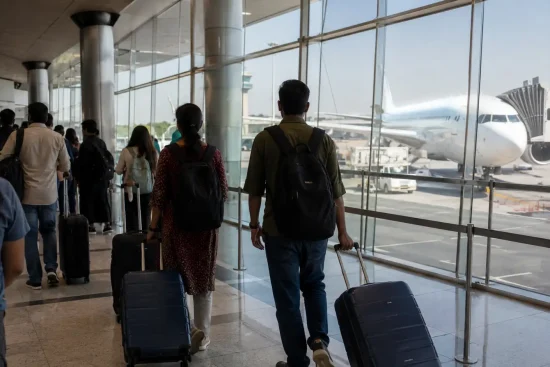
Some disruptions have also occurred in aviation and transportation. Dubai International Airport temporarily suspended operations after a drone threat near the airspace. These disruptions were short and intended to ensure passenger safety.
Below is a simplified overview of the military activities currently taking place:
| Military Activity | What Happened | Impact |
| Drone interceptions | Air defence systems engaged | Prevented damage |
| Missile threats | Incoming projectiles detected | Security alerts issued |
| Airport disruptions | Flights briefly affected | Travel delays |
These measures show that the UAE is primarily focusing on defensive security operations rather than offensive military actions.
Is the UAE Actually at War With Iran Right Now?
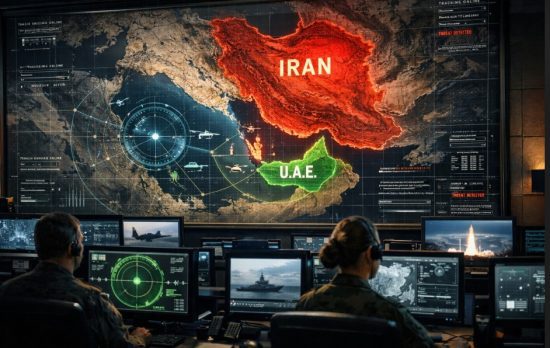
The current situation in the Gulf is complex, which is why many people are confused about whether the UAE is actually at war with Iran. Technically, the UAE has not issued a formal declaration of war against Iran. However, the region is experiencing military attacks and defensive responses.
Some officials described the environment as a state of war in the region because missile attacks and military operations are happening across several countries. This language reflects the seriousness of the conflict but does not indicate that the UAE and Iran are officially at war with each other.
The difference between defensive operations and formal war is important to understand.
Key distinctions include:
- Defensive interception of missiles does not equal a war declaration
- Military readiness is a precaution against further attacks
- Governments often use strong language to show determination during crises
- Diplomatic channels can still remain open even during military tensions
How the Regional War Is Expanding?
The broader conflict in the Middle East has expanded beyond one country, which is why Gulf nations are now involved in the security situation.
Factors contributing to the expansion include:
- US and Israeli strikes against Iranian targets
- Iranian retaliation against countries hosting US military bases
- Drone and missile attacks across Gulf Cooperation Council states
- Military installations and infrastructure becoming targets
Because several countries are involved, the situation looks like a regional conflict rather than a direct bilateral war between the UAE and Iran.
How Are Iranian Attacks Affecting the UAE and the Gulf Region?
Iranian missile and drone attacks have created serious disruptions across the Gulf. Several countries that host American military installations have been targeted during retaliatory strikes.
The UAE has experienced security incidents affecting infrastructure and aviation. Airports and strategic locations were placed on alert while defence systems intercepted aerial threats.
The attacks have affected daily life in several ways.
Key impacts include:
- Increased security measures across cities and airports
- Temporary flight delays and airspace restrictions
- Interception operations visible in the sky
- Damage caused by debris from intercepted drones
These events have raised concerns among residents and travelers. However, authorities continue to emphasize that defence systems are working effectively to protect the country.
What Does This Situation Mean for People Living in the UAE?
If you live in the UAE, the current situation may feel worrying because of constant news about missile attacks and military activity. Government authorities have stated that protecting citizens and residents remains their highest priority.
Security forces and defence systems are actively monitoring potential threats. Residents are encouraged to stay informed through official announcements rather than relying on rumors or social media speculation.
Important points for residents include:
- Authorities are actively intercepting aerial threats
- Emergency services and defence units remain on high alert
- Airports and transport systems continue operating with safety precautions
- Government agencies are issuing updates when necessary
Officials emphasize that the country has strong defence capabilities and advanced security infrastructure. While tensions remain high, the UAE continues to function with measures in place to protect residents and visitors.
How Could the UAE–Iran Conflict Affect the Global Economy?
Tensions in the Gulf region can have major consequences for the global economy because the area plays a critical role in energy production and international trade.
One immediate impact has been the rise in oil prices. During recent developments, the price of crude oil surged above one hundred dollars per barrel, which reflects concerns about supply disruptions.
The Gulf region is responsible for a large portion of the world’s oil exports, so instability can quickly affect markets worldwide.
Economic consequences may include:
- Rising global fuel prices
- Increased shipping costs in the Gulf region
- Volatility in financial markets
- Concerns about energy supply stability
Air travel and tourism may also experience temporary disruptions due to airspace restrictions or security precautions.
Despite these challenges, many analysts believe the global economy can adapt if the conflict remains limited. The key risk lies in whether the situation escalates into a larger regional war involving multiple countries.
Could the Situation Between the UAE and Iran Escalate Into Full War?
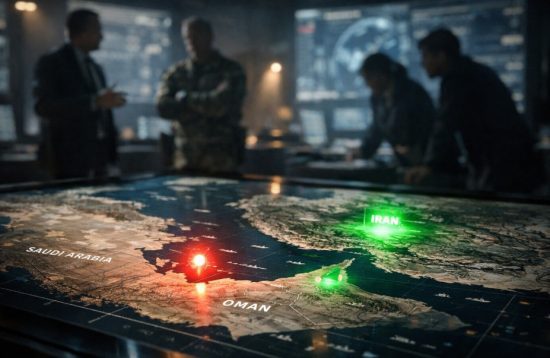
Although the UAE has not declared war on Iran, the possibility of escalation cannot be completely ruled out. Military tensions, retaliatory attacks, and geopolitical rivalries all create the risk of a broader conflict in the Middle East.
Escalation could occur if attacks continue against Gulf countries or if military installations become primary targets. The presence of foreign forces in the region also increases the complexity of the situation.
At the same time, many governments are working to prevent the crisis from expanding into a full scale war. Several factors influence whether escalation will occur.
These include:
- Ongoing missile and drone attacks
- Diplomatic negotiations between regional powers
- Military responses from countries hosting US assets
- International pressure to reduce tensions
Factors That Could Prevent a Wider War
There are also important reasons why the situation may not turn into a full regional war.
Potential stabilizing factors include:
- :Diplomatic engagement between Gulf countries and Iran
- Global pressure from major powers to avoid escalation
- Economic consequences that discourage prolonged conflict
- Regional cooperation on security and defence
These factors may help contain the conflict and prevent the situation from turning into a direct war between the UAE and Iran.
Conclusion
To answer the question clearly, the UAE has not declared war on Iran. What is happening in the region is a period of heightened military tension caused by Iranian missile and drone attacks targeting Gulf countries that host US military assets.
The UAE has responded by activating its air defence systems and strengthening national security measures. Leaders have emphasized that the country is prepared to confront threats and protect citizens, but they have not announced a formal declaration of war.
For residents and observers, the key point is that the UAE’s actions are primarily defensive. The government continues to focus on safeguarding infrastructure, maintaining stability, and coordinating with regional partners.
While the broader Middle East conflict remains serious and unpredictable, current evidence suggests the UAE is engaged in defensive security operations rather than an official war against Iran.
FAQs
Is the UAE currently fighting Iran directly?
The UAE has not declared a direct war against Iran. The country is mainly intercepting missiles and drones as part of defensive operations.
Why is Iran attacking Gulf countries?
Iran has targeted countries hosting US military assets after strikes against its facilities. These actions are part of broader regional retaliation.
Are UAE airports and cities safe during the conflict?
Authorities have implemented strong defence and security measures to protect infrastructure. Airports may face temporary disruptions but safety systems remain active.
What role do US military bases in the UAE play in the conflict?
US military facilities in the region are considered strategic targets during regional conflicts. Their presence can influence how Iran responds to US actions.
Could the conflict spread to other Gulf countries?
Several Gulf nations have already been affected by missile and drone attacks. Regional cooperation aims to prevent further escalation.
How is the UAE defending itself against missiles and drones?
The country uses advanced air defence systems to intercept aerial threats. These systems destroy incoming missiles and drones before they reach populated areas.
What should residents and travelers in the UAE do during rising tensions?
Follow official government updates and avoid relying on rumors. Authorities provide safety instructions whenever necessary.