Dubai home prices declined in 2026 marks the first slowdown since the post-pandemic boom, mainly driven by geopolitical tensions, reduced investor confidence, and natural market correction after years of rapid growth. While prices have dipped, experts suggest this is not a crash but a stabilization phase.
Key Takeaways:
- Residential prices dropped by around 5.9% in March
- Demand weakened due to regional uncertainty
- Transaction volumes and sales value have declined
- Developers are introducing flexible buying options
- The market remains stable with long-term growth potential
This shift reflects a transition from a high-growth cycle to a more balanced real estate environment, giving buyers and investors a moment to reassess opportunities in Dubai’s evolving property landscape.
What Is Happening With Dubai Home Prices in 2026?

Dubai’s real estate market is experiencing its first notable dip since 2020, signalling a shift away from the rapid price increases seen over the past few years.
Residential property values have declined by approximately 5.9%, bringing prices back to levels observed about six months ago. This change marks the end of an extraordinary growth cycle where property values surged by more than 70% during the post-pandemic recovery.
The slowdown reflects a cooling phase rather than a collapse. Market activity, which was previously driven by strong foreign investment and high demand from expatriates, is now stabilizing. Transaction volumes have decreased, and buyer activity has slowed, particularly in premium and luxury segments.
Despite this, Dubai continues to maintain its position as a global real estate hub. The decline is widely seen as a natural progression in a maturing market, where price growth is no longer driven by urgency but by long-term value and sustainability.
Why Are Dubai Home Prices Declining Right Now?
Dubai home prices decline is not caused by a single factor but rather a combination of global, regional, and local influences that are shaping buyer behavior and market momentum.
How Are Regional Geopolitical Tensions Affecting Demand?
One of the most immediate drivers of the decline is geopolitical instability in the region. Ongoing tensions have created uncertainty among international investors, many of whom play a major role in Dubai’s property market.
- Investors are adopting a cautious “wait-and-see” approach
- Cross-border investments have slowed temporarily
- Luxury property demand has weakened due to risk concerns
These tensions have not eliminated demand but have delayed decision-making. As a result, transaction activity has slowed, especially in high-value segments where global investors dominate.
A market analyst explained the situation clearly:
“The market is not going to immediately return to what it was before and we think there’s going to be a softening of pricing. We expect demand to be impacted because there’s a chance that population will not grow at the same pace of recent years, at a time of significant handover numbers.”
Is Investor Confidence Dropping in the UAE Property Market?
Investor confidence has softened, particularly among foreign buyers who were previously driving much of the demand. Dubai’s appeal as a tax-friendly and high-return market remains strong, but short-term uncertainties have led to hesitation.
- Fewer inquiries in luxury and high-end properties
- Increased interest in alternative global markets
- Slower decision-making among high-net-worth individuals
At the same time, there is still liquidity in the market. Local buyers and long-term investors continue to show interest, which is helping prevent a sharper decline.
A developer highlighted this balance by stating:
“There still is liquidity in the market. The market behavior still seems relatively stable.”
This suggests that while confidence has dipped, it has not disappeared entirely.
Are Seasonal and External Factors Also Contributing?
Beyond geopolitical and investor-related factors, short-term elements have also played a role in the decline.
- Seasonal slowdowns during major holidays like Eid
- Weather disruptions, including unusually heavy rainfall
- Temporary pauses in transaction activity
These factors may have amplified the decline seen in March, but are not considered long-term issues. They reflect temporary disruptions rather than structural weaknesses in the market.
How Much Have Dubai Property Prices and Transactions Dropped?

The scale of the Dubai home prices decline becomes clearer when examining both pricing data and transaction activity. Residential prices fell by approximately 5.9% in March, marking the first monthly decline since 2020.
While this drop is significant, it only brings the market back to levels seen a few months earlier, indicating a moderate correction rather than a steep fall.
Transaction volumes have also decreased noticeably. The number of property deals dropped from around 16,000 to nearly 13,000 within a month, reflecting reduced buyer activity. Similarly, the total value of residential sales declined by nearly 20%, showing that fewer high-value transactions are taking place.
Below is a simplified breakdown of key changes:
Metric Previous Level Current Level Change
Residential Price Index Peak levels -5.9% decline Moderate drop
Monthly Transactions ~16,000 ~13,000 ↓ ~30%
Sales Value Higher baseline ↓ ~20% Decline
Off-plan Sales Value Stable ↓ ~13% Slight drop
The secondary market has been impacted more than the off-plan segment, which continues to attract long-term investors. Overall, the data shows a slowdown in momentum rather than a collapse in demand.
Is This a Market Crash or a Healthy Correction?
Dubai home prices decline may appear concerning at first glance, but most experts emphasize that this is a controlled adjustment rather than a market crash. The distinction is important for understanding the risks and opportunities ahead.
Why Do Experts Call It a “Market Correction”?
The current decline is widely described as a healthy correction because it follows an extended period of rapid price growth. Over the past few years, property values have increased by more than 70%, driven by strong demand, foreign investment, and favorable economic policies.
- Prices had reached unusually high levels
- Market activity was driven by urgency and speculation
- A slowdown allows prices to realign with real value
This correction helps stabilize the market and reduces the risk of an unsustainable bubble. It also encourages more informed and value-based investment decisions.
One industry expert summarized this transition effectively:
“The market is simply catching its breath. We are moving from a period of hype to a period of value-driven decisions.”
How Does This Compare to Dubai’s Past Real Estate Crashes?
Comparing the current situation to past downturns, especially the 2009 real estate crisis, highlights key differences that support the idea of stability rather than risk.
- Stronger regulations and financial controls today
- Higher proportion of end-users instead of speculative buyers
- More diversified investor base
- Continued demand from expatriates and residents
Unlike previous crashes, today’s market is supported by long-term residency initiatives and sustained population growth. While short-term fluctuations are expected, the overall structure of the market remains resilient.
This comparison reassures investors that the current decline is part of a normal economic cycle rather than a repeat of past instability.
How Are Buyers, Investors, and Expats Responding to the Price Drop?
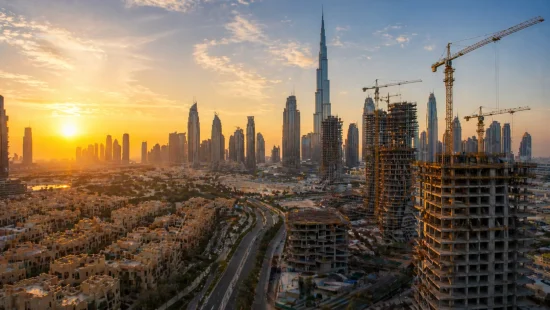
The response to the Dubai home prices decline varies across different groups, but overall behaviour reflects caution rather than panic. Buyers and investors are becoming more selective, while expats are reassessing their housing decisions.
- Investors are delaying purchases and monitoring market trends
- Some high-net-worth individuals are exploring global alternatives
- Expats are reconsidering whether to rent or buy
- Local buyers are taking advantage of improved negotiation opportunities
Interest in international property markets has increased slightly, especially among wealthy individuals seeking diversification. However, demand within Dubai has not disappeared. Instead, it has shifted toward more practical and long-term considerations.
Many buyers are now focusing on value, location, and future growth potential rather than short-term gains. This shift is contributing to a more balanced and sustainable market environment.
What Are Developers Doing to Adapt to the Market Slowdown?
Developers in Dubai are actively adjusting their strategies to maintain demand and attract buyers during this slower phase. Their approach reflects experience from previous market cycles.
- Reintroducing flexible payment plans
- Offering rent-to-own schemes
- Reducing upfront costs for buyers
- Launching incentives to encourage investment
These measures are designed to make property ownership more accessible and appealing, particularly for first-time buyers and long-term investors.
The off-plan market continues to play a significant role, accounting for a large portion of transactions. While it has seen a slight decline, it remains relatively stable due to ongoing project launches and investor confidence in Dubai’s long-term growth.
Developers are focusing on sustaining momentum rather than pushing rapid expansion, ensuring that supply aligns more closely with demand.
What Does the Dubai Housing Market Outlook Look Like for 2026?
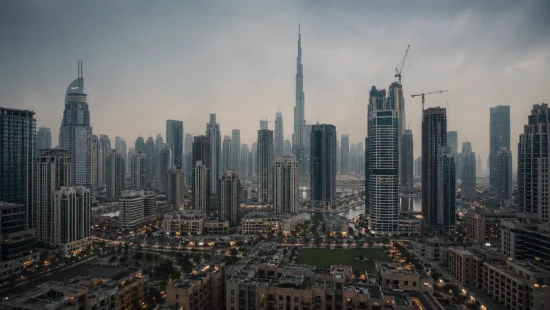
The outlook for Dubai’s housing market in 2026 suggests a period of gradual stabilization rather than sharp decline or rapid growth. Short-term conditions may remain soft, especially during seasonal slowdowns, but the long-term fundamentals remain positive.
Population growth, supported by residency programs such as long-term visas, continues to play a key role in sustaining demand. At the same time, new project launches indicate ongoing confidence among developers.
While investor sentiment may remain cautious in the near term, the presence of liquidity and steady end-user demand helps maintain market balance. Overall, the market is expected to transition into a more stable and sustainable phase.
Is Now a Good Time to Buy Property in Dubai or Wait?
The Dubai home prices decline presents both opportunities and considerations for potential buyers. For long-term investors, this period may offer favorable entry points, especially as sellers become more open to negotiation.
Buyers can benefit from reduced competition and improved pricing conditions. However, there is also a possibility of further short-term softening, which may influence timing decisions.
Ultimately, the decision depends on individual goals. Those seeking long-term value and stability may find this an ideal time to invest, while short-term investors may prefer to wait for clearer market signals. A balanced and well-informed approach is essential in navigating the current market conditions.
Conclusion
Dubai home prices declining in 2026 reflects a natural shift in the real estate cycle rather than a sign of instability. After years of rapid growth, the market is entering a phase of correction, driven by geopolitical tensions, changing investor sentiment, and external factors.
This adjustment is creating a more balanced environment where decisions are based on value rather than urgency. While short-term uncertainty remains, the underlying strength of Dubai’s property market continues to support long-term growth.
For buyers and investors, this period offers a chance to reassess strategies and explore opportunities with greater clarity. As the market stabilizes, it is expected to become more sustainable, resilient, and aligned with realistic demand trends.
FAQs
What does the Dubai home prices decline mean for the overall market?
The decline indicates a shift from rapid growth to a more balanced and sustainable real estate market. It reflects stabilization rather than a collapse, allowing prices to align with actual demand.
Are Dubai property prices expected to fall further in 2026?
Prices may experience slight short-term softening depending on global and regional conditions. However, major declines are unlikely due to strong market fundamentals and ongoing demand.
How are foreign investors reacting to Dubai’s property price drop?
Many foreign investors are taking a cautious approach and delaying new investments. Despite this, long-term investors continue to see Dubai as an attractive market.
Is the off-plan property market in Dubai still a good option?
The off-plan segment remains active and continues to attract long-term investors. Although it has slowed slightly, it is still supported by developer incentives and future growth potential.
What factors are supporting Dubai’s real estate market despite the decline?
Key factors include population growth, residency programs like long-term visas, and ongoing infrastructure development. These elements help maintain demand and market stability.
Should first-time buyers consider entering the Dubai market now?
First-time buyers may benefit from better pricing and negotiation opportunities. It can be a good time to enter the market if they are planning for long-term ownership.
How is Dubai’s current market different from the 2009 real estate crisis?
The current market is more regulated and driven by end-users rather than speculative buyers. This makes it more stable and less likely to experience a severe downturn.
FAQ Schema:
<script type=”application/ld+json”>
{
“@context”: “https://schema.org”,
“@type”: “FAQPage”,
“mainEntity”: [
{
“@type”: “Question”,
“name”: “What does the Dubai home prices decline mean for the overall market?”,
“acceptedAnswer”: {
“@type”: “Answer”,
“text”: “The decline indicates a shift from rapid growth to a more balanced and sustainable real estate market. It reflects stabilization rather than a collapse, allowing prices to align with actual demand.”
}
},
{
“@type”: “Question”,
“name”: “Are Dubai property prices expected to fall further in 2026?”,
“acceptedAnswer”: {
“@type”: “Answer”,
“text”: “Prices may experience slight short-term softening depending on global and regional conditions. However, major declines are unlikely due to strong market fundamentals and ongoing demand.”
}
},
{
“@type”: “Question”,
“name”: “How are foreign investors reacting to Dubai’s property price drop?”,
“acceptedAnswer”: {
“@type”: “Answer”,
“text”: “Many foreign investors are taking a cautious approach and delaying new investments. Despite this, long-term investors continue to see Dubai as an attractive market.”
}
},
{
“@type”: “Question”,
“name”: “Is the off-plan property market in Dubai still a good option?”,
“acceptedAnswer”: {
“@type”: “Answer”,
“text”: “The off-plan segment remains active and continues to attract long-term investors. Although it has slowed slightly, it is still supported by developer incentives and future growth potential.”
}
},
{
“@type”: “Question”,
“name”: “What factors are supporting Dubai’s real estate market despite the decline?”,
“acceptedAnswer”: {
“@type”: “Answer”,
“text”: “Key factors include population growth, residency programs like long-term visas, and ongoing infrastructure development. These elements help maintain demand and market stability.”
}
},
{
“@type”: “Question”,
“name”: “Should first-time buyers consider entering the Dubai market now?”,
“acceptedAnswer”: {
“@type”: “Answer”,
“text”: “First-time buyers may benefit from better pricing and negotiation opportunities. It can be a good time to enter the market if they are planning for long-term ownership.”
}
},
{
“@type”: “Question”,
“name”: “How is Dubai’s current market different from the 2009 real estate crisis?”,
“acceptedAnswer”: {
“@type”: “Answer”,
“text”: “The current market is more regulated and driven by end-users rather than speculative buyers. This makes it more stable and less likely to experience a severe downturn.”
}
}
]
}
</script>
Blog Post Schema: