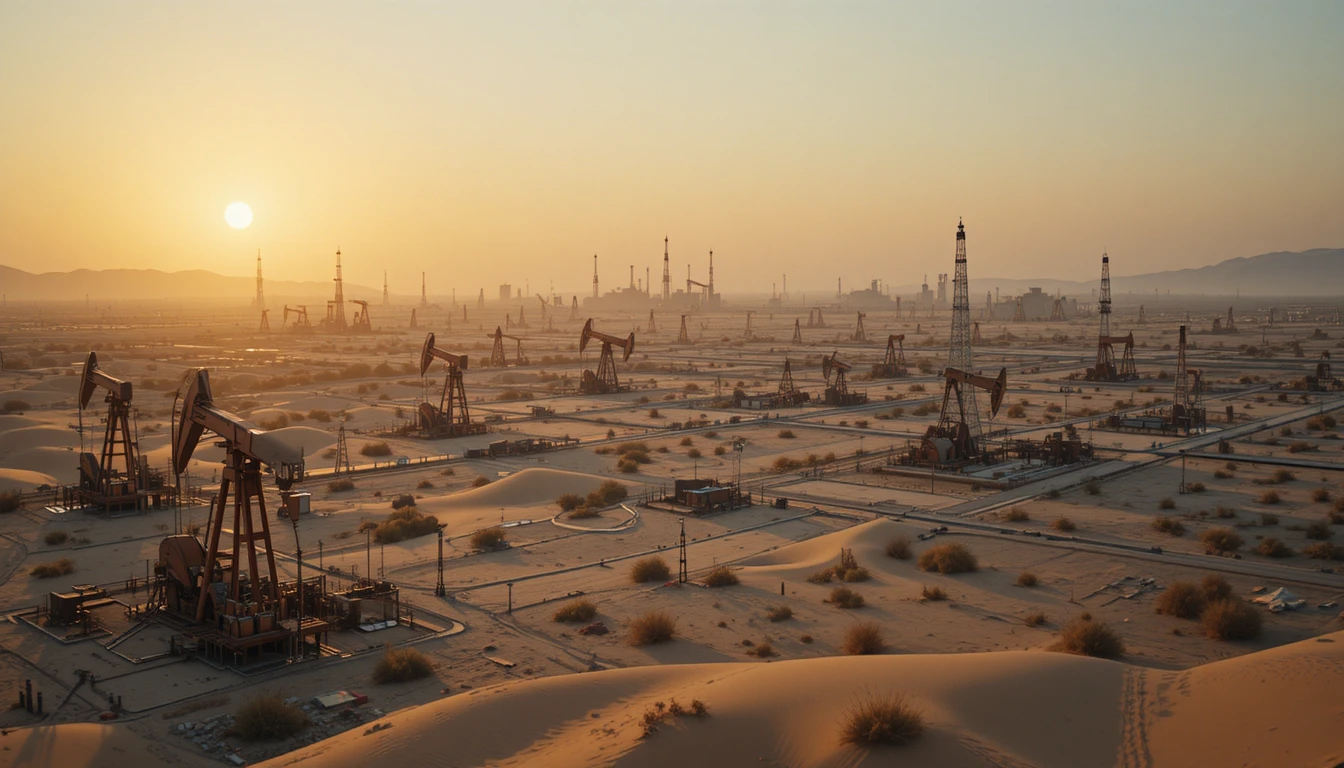
The UAE’s decision to leave OPEC means it can independently increase oil production to 5 million barrels per day (bpd) by 2027, free from production quotas that previously limited output.
This policy shift reflects a long-term strategy to maximise national revenue, strengthen energy flexibility, and respond more effectively to global demand changes.
Key takeaways:
- The UAE is no longer bound by OPEC production limits
- Oil output is expected to rise significantly by 2027
- The move aligns with long-term economic and energy strategies
- Global oil markets may see increased supply and competition
- OPEC’s influence could weaken as a result
This decision marks a major turning point in OPEC UAE oil production, with implications not just for the UAE but for global energy markets and future oil demand trends.
What Does UAE Leaving OPEC Mean for Oil Production and Policy?
Leaving OPEC allows the UAE to set its own oil production levels without adhering to group quotas. Previously, OPEC’s coordinated system required members to limit output to stabilise global oil prices.
For the UAE, this meant producing below its full capacity despite significant investments in expanding oil infrastructure.
Now, the country gains the flexibility to respond directly to market demand. This policy change shifts the UAE from a cooperative production model to an independent strategy focused on growth and market share.
The decision also signals a broader shift in national energy policy. The UAE aims to balance maintaining global energy stability while prioritising its economic interests.
By removing quota restrictions, the government can optimise production efficiency and increase export potential.
In simple terms, the move transforms the UAE from a regulated producer within OPEC into a more competitive and self-directed energy player.
Why Did the UAE Decide to Exit OPEC Now?

The UAE’s exit from OPEC is not a sudden move but the result of long-term strategic, economic, and geopolitical considerations.
It reflects a shift toward maximising national benefits while adapting to changing global energy dynamics.
Was the OPEC Quota Limiting UAE Oil Production Growth?
One of the main reasons behind the exit was the limitation imposed by OPEC quotas. These restrictions capped UAE production at around 3–3.5 million bpd, even though the country had the capacity to produce more.
- The UAE invested heavily in increasing production capacity
- Quotas prevented full utilisation of these investments
- This led to potential revenue losses over time
As one analyst explained, the quotas acted as a constraint on growth. The UAE, being one of the few countries with spare capacity, was unable to fully capitalise on its resources.
“This opens the door for the UAE to gain global market share when the geopolitical situation normalises,” said Monica Malik. “Outside the group, the UAE would have both the incentive and the ability to increase production.”
This highlights how leaving OPEC removes structural barriers and allows the UAE to align production with its capabilities.
How Did the UAE’s Long-term Energy Strategy Influence the Decision?
The decision is closely tied to the UAE’s broader energy and economic strategy. The country aims to strengthen its position as a global energy supplier while also preparing for future shifts in demand.
“This is a policy decision, it has been done after a careful look at current and future policies related to level of production,” said Suhail Mohamed al-Mazrouei. “The world will demand more energy, and the UAE is ready to meet that need.”
Key strategic drivers include:
- Expanding production capacity to 5 million bpd
- Increasing flexibility in responding to market demand
- Strengthening long-term revenue streams
The UAE is focusing on maximising value from its oil reserves while maintaining a balanced approach to global energy stability.
Did Geopolitical Tensions Like the Iran Conflict Impact the Timing?
Geopolitical factors also played a role in the timing of the decision. Tensions in the Gulf region, particularly involving Iran, have affected oil transportation and market dynamics.
- Disruptions in the Strait of Hormuz impacted exports
- Regional tensions influenced strategic independence
- Timing reduced the immediate market impact due to existing supply constraints
Speaking about timing, Al-Mazrouei noted that the decision would not significantly affect prices due to current shipping challenges.
“The timing is right because it will not significantly impact the market and the price,” he said. “This is a sovereign national decision taken after careful evaluation.”
This suggests the UAE chose a moment when global conditions would minimise disruption while maximising strategic advantage.
How Will UAE Increase Oil Production to 5 Million Barrels Per Day by 2027?
The UAE’s plan to increase oil production to 5 million bpd by 2027 is backed by significant investments, infrastructure expansion, and strategic planning. The focus is on scaling capacity efficiently while ensuring long-term sustainability.
What Investments Are Supporting the UAE’s Oil Capacity Expansion?
The UAE has been investing heavily in upstream oil projects to expand production capacity. These investments are primarily led by Abu Dhabi’s energy sector.
- Development of new oil fields
- Enhanced recovery techniques for existing fields
- Advanced technologies to improve efficiency
These initiatives ensure that production growth is not just ambitious but achievable. The country’s financial strength allows it to invest consistently in expanding its energy capabilities.
How Do Pipelines and Infrastructure (Like Fujairah Routes) Support Growth?
Infrastructure plays a critical role in supporting increased production. The UAE has been working to strengthen its export routes, particularly through pipelines that bypass key chokepoints.
- Expansion of pipelines to the port of Fujairah
- Reduced reliance on the Strait of Hormuz
- Improved logistics for exporting higher volumes
These developments are essential for handling increased output. By diversifying export routes, the UAE reduces risks associated with geopolitical disruptions.
What Role Does Abu Dhabi Play in Scaling Production Capacity?
Abu Dhabi is central to the UAE’s oil production strategy. It holds the majority of the country’s oil reserves and leads expansion efforts.
- Major oil fields are located in Abu Dhabi
- Strategic planning and execution are driven by the emirate
- Long-term investments are coordinated through national entities
Abu Dhabi’s leadership ensures that the UAE’s production targets are aligned with national economic goals. Its role is critical in transforming capacity expansion into actual output growth.
What Impact Will the UAE’s Exit Have on Global Oil Markets?
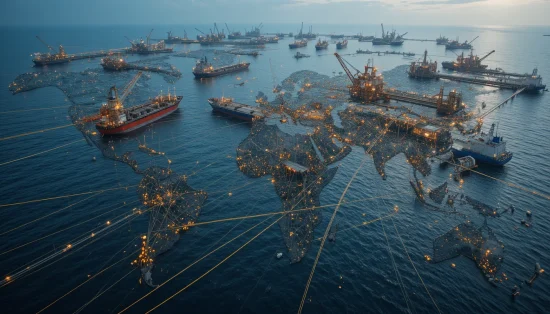
The UAE’s exit from OPEC is expected to influence global oil markets by increasing supply and altering competitive dynamics.
While the immediate impact may be limited due to existing disruptions, the long-term effects could be significant.
Increased production from the UAE could lead to greater supply in global markets, potentially putting downward pressure on oil prices.
This is particularly relevant once geopolitical constraints ease and exports normalise.
Key impacts include:
- Higher global oil supply over time
- Increased competition among major producers
- Potential price volatility in the medium term
The move also shifts market expectations. As one of the few producers with spare capacity, the UAE’s independent production decisions will play a larger role in shaping supply trends.
However, analysts suggest that short-term effects may remain muted due to ongoing logistical challenges. The real impact will likely emerge once production and exports operate without disruption.
How Could This Decision Affect OPEC’s Power and Stability?
The UAE’s departure represents a challenge to OPEC’s cohesion and influence. As one of its major producers, the UAE played a significant role in balancing supply within the group.
Without the UAE, OPEC may face difficulties in maintaining coordinated production strategies. This could weaken its ability to stabilise prices effectively.
Potential consequences include:
- Reduced control over the global oil supply
- Increased pressure on key members like Saudi Arabia
- Risk of further exits by other countries
The move also raises questions about OPEC’s long-term relevance. While the organisation still holds influence, its share of global oil production has declined over time.
This shift suggests that the balance of power in global oil markets may gradually move away from collective control toward individual national strategies.
What Are the Economic Benefits and Risks for the UAE?

The UAE stands to gain economically from increased oil production, but the decision also carries certain risks.
On the benefits side, higher production can lead to increased revenues and greater market share. This strengthens the country’s position as a leading global energy supplier.
Key benefits include:
- Increased export revenues
- Greater control over production decisions
- Enhanced competitiveness in global markets
However, there are also risks to consider. Increased supply could contribute to lower oil prices, affecting overall revenue. Additionally, heightened competition may create market uncertainties.
Despite these risks, the UAE’s diversified economy provides a buffer. Sectors like finance, tourism, and trade reduce dependence on oil, allowing the country to absorb potential fluctuations more effectively.
Is This Move About Future Energy Demand and Declining Oil Dependence?
The UAE’s decision also reflects broader trends in global energy demand and the transition toward alternative energy sources. It highlights the need to balance current opportunities with future uncertainties.
Are Global Oil Demand Trends Shifting Due to Electrification?
Global demand for oil is gradually being influenced by electrification and renewable energy adoption.
- Electric vehicles are reducing fuel consumption
- Investments in clean energy are increasing
- Countries are focusing on sustainability goals
These trends suggest that oil demand may stabilise or decline in the long term, influencing production strategies.
Is the UAE Trying to Maximise Oil Revenue Before Demand Peaks?
There is a growing view that the UAE aims to maximise revenue from its oil reserves before global demand reaches its peak.
- Increasing production allows faster monetisation of resources
- Higher output supports economic growth in the near term
- Timing aligns with strong current oil prices
This approach ensures that the UAE captures maximum value from its resources while demand remains strong.
How Does Diversification Protect the UAE’s Economy From Oil Shocks?
The UAE has invested heavily in diversifying its economy to reduce reliance on oil.
- Growth in tourism and financial services
- Expansion of non-oil industries
- Development of advanced technology sectors
This diversification provides resilience against fluctuations in oil markets. It allows the UAE to pursue aggressive production strategies without exposing itself to excessive risk.
What Are the Confirmed Facts, Policy Changes, and Misconceptions About the UAE’s OPEC Exit?

Understanding the UAE’s exit requires distinguishing between confirmed facts, policy intentions, and common misconceptions.
Confirmed facts include:
- The UAE will leave OPEC effective May 2026
- Production targets aim for 5 million bpd by 2027
- The decision is based on the national energy strategy
Policy changes involve greater independence in setting production levels and increased investment in capacity expansion.
However, some misconceptions exist:
- The move does not immediately flood markets with oil
- It does not signal a complete break from global cooperation
- It does not guarantee lower oil prices instantly
The UAE has emphasised that it will continue engaging with global energy stakeholders while operating independently.
Conclusion
The UAE’s exit from OPEC marks a significant shift in OPEC UAE oil production, allowing the country to pursue independent growth and increase output to 5 million bpd by 2027. This move reflects a carefully planned strategy aimed at maximising economic benefits while adapting to changing global energy trends.
While the decision introduces new opportunities, it also brings uncertainties for global markets and OPEC’s future role. The UAE’s ability to balance increased production with economic diversification will be key to long-term success.
Overall, this policy change positions the UAE as a more flexible and competitive player in the global oil industry, shaping the future of energy markets in the years ahead.
FAQs
What does the UAE’s leaving OPEC mean for oil production?
It means the UAE can produce oil without OPEC-imposed limits. This allows the country to increase output based on its own capacity and market demand.
Will UAE oil production really reach 5 million barrels per day?
Yes, the UAE has set a clear target to reach 5M bpd by 2027. This goal is supported by ongoing investments and infrastructure expansion.
How will the UAE’s exit affect global oil prices?
In the long term, increased supply could put downward pressure on prices. However, short-term impacts may remain limited due to current geopolitical constraints.
Why was the UAE restricted under OPEC quotas?
OPEC uses quotas to control supply and stabilise prices globally. These limits prevented the UAE from fully using its production capacity.
Does leaving OPEC mean the UAE will act independently in all energy matters?
The UAE will have more control over production decisions. However, it is still expected to cooperate with global energy markets and partners.
Could other countries follow the UAE and leave OPEC?
It is possible if other members feel constrained by quotas. However, each country’s decision will depend on its own economic and strategic priorities.
Is this move risky for the UAE economy?
There are risks such as price volatility and increased competition. But the UAE’s diversified economy helps reduce dependence on oil revenues.