Are you planning to launch a metal turning business in Dubai but unsure where to begin? The UAE’s booming manufacturing and industrial sectors have created a high demand for precision metal services like metal turning.
However, starting this type of business is not as simple as purchasing machinery and renting a space. You need an official metal turning license in Dubai to operate legally and efficiently within the country’s industrial framework.
This license ensures that your operations meet regulatory, environmental, and safety standards required by UAE authorities. Dubai’s Department of Economic Development (DED) and the Ministry of Industry and Advanced Technology (MOIAT) play key roles in this process.
From deciding your business structure to setting up your facility, this guide will walk you through the essentials to help you set up a compliant and competitive metal turning business in Dubai.
What Is a Metal Turning License in Dubai?
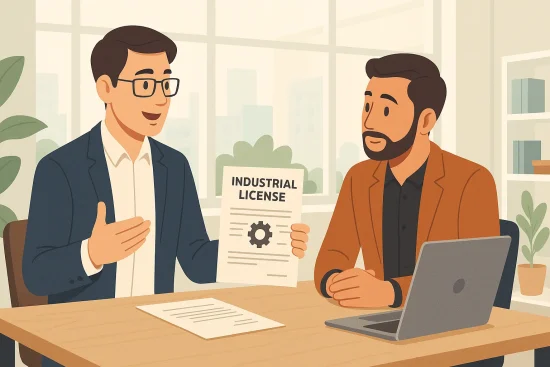
A metal turning license in Dubai is an official industrial license issued to businesses involved in the machining and shaping of metal parts. It legally permits you to carry out industrial activities like cutting, forming, and modifying metal using tools such as lathes, CNC machines, and turning centers.
This license is critical for operating within the UAE’s industrial zones or free zones. Metal turning is a specialised industrial activity where metal pieces are rotated against a cutting tool to create cylindrical or round parts.
This includes shafts, bolts, rods, bushings, and other precision components that support sectors such as automotive, construction, aviation, oil and gas, and manufacturing.
Businesses engaged in these activities must be officially registered and approved under Dubai’s industrial licensing category. Without this license, any commercial metal shaping or machining work would be considered illegal.
Getting a metal turning license ensures your company meets the legal framework, industry safety standards, and environmental guidelines outlined by the UAE government.
Why Do You Need a Metal Turning License in Dubai?
Acquiring a metal turning license in Dubai is not optional, it’s a legal necessity for operating a machining business in the UAE. Authorities enforce this licensing to regulate safety, quality, and environmental responsibility within the industrial sector.
It guarantees your workshop complies with zoning, equipment, and safety laws that help prevent accidents and environmental harm.
The license also formalizes your operations, allowing you to offer services to local and international clients while maintaining credibility in a regulated market. Without it, you could face penalties, forced shutdowns, or denial of business permits.
Here are key reasons why this license is essential:
- Regulatory compliance with Dubai’s industrial laws
- Legal permission to operate machining and metal-shaping equipment
- Environmental clearance and industrial zoning approval
- Worker and machinery safety enforcement
- Eligibility for business banking, logistics, and trade services
- Ability to work with government or large-scale industrial clients
Securing this license also increases your reputation as a reliable business adhering to UAE’s high manufacturing standards.
What Are the Types of Metal Turning Licenses Available?
Dubai offers several types of licenses for businesses engaged in metal turning activities, and choosing the right one depends on your ownership goals, operational model, and location preferences. Each license type falls under the broader category of industrial licenses.
If you plan to operate within Dubai’s urban limits and cater to local businesses, a Mainland Industrial License is typically issued by the Department of Economic Development (DED). This license might require a local sponsor, depending on your chosen legal structure.
For full ownership and the ability to benefit from tax exemptions or custom regulations, you can opt for a Free Zone Industrial License. This is ideal for entrepreneurs who want to export products and benefit from ready industrial infrastructure.
In specific cases, you may also require a Specialised Manufacturing License, depending on the technology used or volume of operations.
Here are the common license types:
- Mainland Industrial License (DED)
- Free Zone Industrial License
- Specialised Manufacturing License
Choosing the appropriate license structure will influence your setup cost, ownership rights, and operational flexibility.
What Activities Are Covered Under a Metal Turning License?
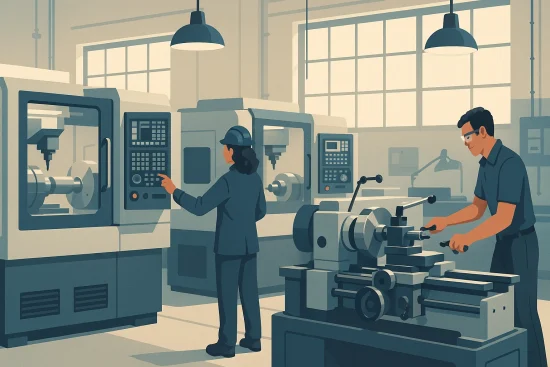
A metal turning license allows your business to carry out a broad range of machining services focused on shaping and manufacturing metal components. These activities are crucial for industrial supply chains and involve advanced machinery such as CNC lathes, manual turning machines, and cutting tools.
This license is not limited to a single machining operation. It generally includes the production of small and large cylindrical parts, cutting and grooving of threads, and prototyping services. Such flexibility helps you serve industries like automotive, aerospace, infrastructure, and oil and gas.
Some of the common activities covered include:
- Precision metal turning of various components
- CNC lathe operations and automated part production
- Cutting, shaping, and grooving of metal rods or tubes
- Custom mechanical part manufacturing for clients
- Prototyping and batch production of machine components
- Cylindrical and conical part development for engineering use
Having these services under a single license allows you to diversify your offering and cater to multiple market segments efficiently.
How Can You Apply for a Metal Turning License in Dubai?
Applying for a metal turning license in Dubai involves several coordinated steps with different government authorities. The process ensures your business is legally established, properly zoned, and compliant with industrial regulations.
First, you need to choose “Metal Turning” as your primary activity under the “Fabricated Metals” category. Then, reserve a unique trade name through the Department of Economic Development (DED) or relevant free zone authority.
After that, you must determine the legal structure and select your location, either mainland or free zone. A physical industrial space is mandatory. Virtual offices or non-operational addresses will be rejected.
Once these are completed, follow these steps:
- Apply for initial approval from DED or Free Zone Authority
- Secure a physical workshop with Ejari or a tenancy contract
- Submit your business plan and layout drawings
- Gain approvals from MOIAT, Dubai Municipality, and Civil Defense
- Ensure equipment inspections and environmental checks are completed
- Submit final documentation and pay all relevant fees
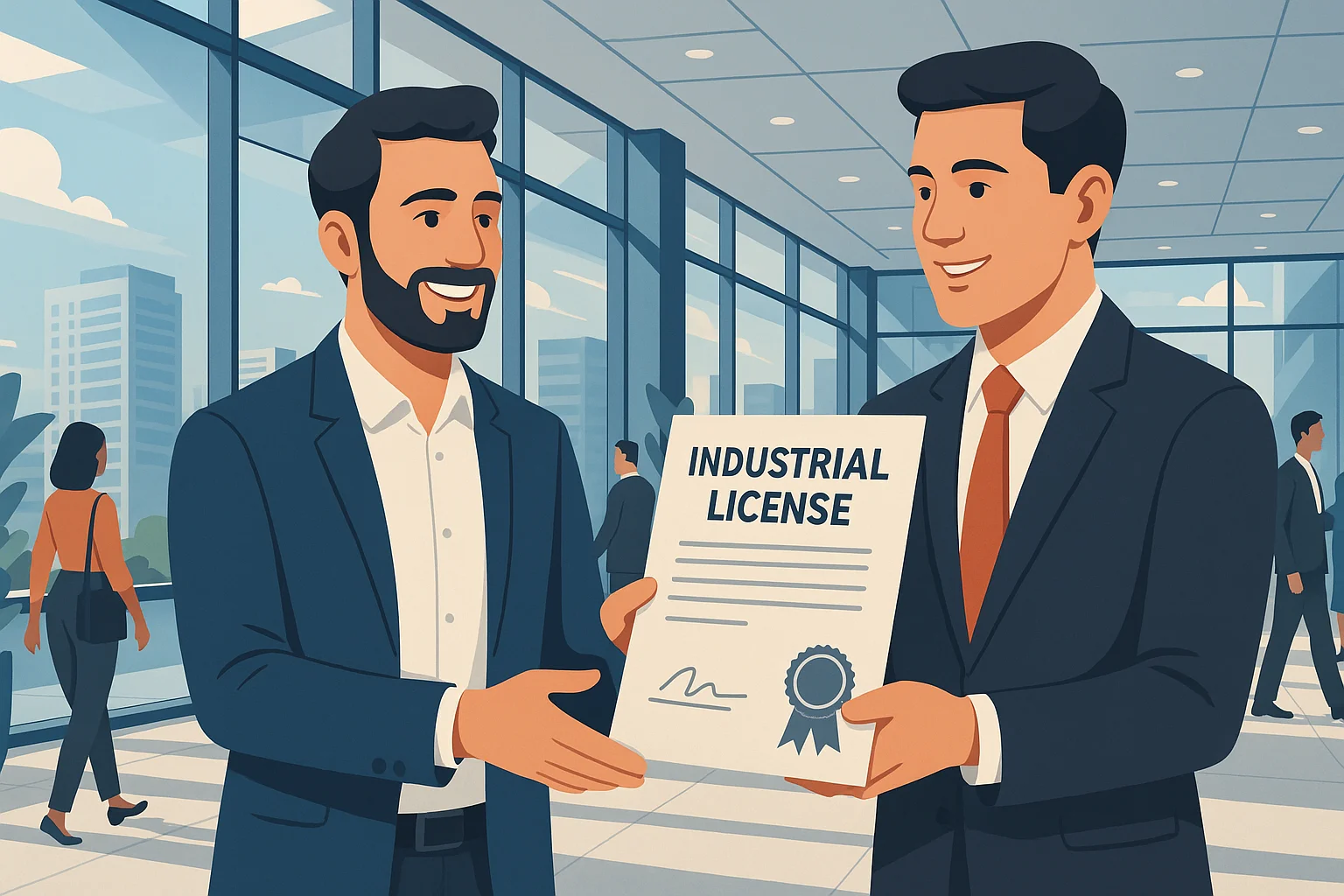
- Receive your industrial license upon approval
This structured approach ensures a smooth setup and regulatory compliance.
What Documents Are Required for a Metal Turning License?
Getting your metal turning license approved depends on submitting a complete set of accurate documents. These documents verify your identity, planned activities, business location, and readiness to operate within the UAE’s industrial framework.
The required documents vary slightly between mainland and free zone jurisdictions, but the core paperwork remains consistent. The authorities use these to evaluate the feasibility, safety, and environmental impact of your proposed operations.
Typical documents you must prepare include:
- Passport copies of all shareholders and employees
- Valid Emirates ID and residence visa copies (if applicable)
- Tenancy contract or Ejari registration for your workshop
- Business plan outlining the scope and structure of operations
- Industrial layout drawings and equipment specifications
- Trade name reservation certificate
- Initial approval form from DED or Free Zone Authority
- Environmental clearance and Civil Defense approval letters
It is crucial to ensure that all submitted information is up-to-date, properly attested, and compliant with licensing standards. Errors or omissions can delay or even reject your application.
What Is the Cost of a Metal Turning License in Dubai?

Before starting your business, understanding the costs associated with a metal turning license is crucial. The total cost depends on the location (mainland or free zone), required approvals, industrial space, and operational scale.
Approximate Cost Breakdown
| License Component | Estimated Cost (AED) |
| Trade license fees | 12,000 – 15,000 |
| Trade name registration | 600 – 1,000 |
| Initial approval certificate | 1,000 – 1,500 |
| MOIAT, Civil Defense, Municipality approvals | 2,500 – 5,000 |
| Physical workshop lease (annual) | 10,000 – 20,000 |
| Ejari registration (if mainland) | 1,000 – 2,000 |
These are base costs and do not include machinery or fit-out investments.
Comparison Between Mainland and Free Zone Options
- Mainland setup often incurs higher costs due to local sponsorship and Ejari.
- Free zone licenses can be more cost-effective with faster processing and bundled services.
- Mainland licenses allow direct trade within UAE markets, while free zones are ideal for exports.
Other Potential Costs
- Machinery and CNC equipment investment
- Safety and compliance upgrades
- Environmental impact assessment and layout drawings
- Customised industrial fit-outs for workshop readiness
Budgeting accurately requires consultation with a business setup expert who understands these variables.
Should You Choose Mainland or Free Zone for Metal Turning?

Selecting the right jurisdiction for your metal turning business is one of the most critical decisions you’ll make. The choice between mainland and free zone setups significantly impacts your ownership, operational scope, and tax obligations.
Comparison of Business Benefits
- Mainland allows wider customer access within the UAE.
- Free zones offer support services and industrial clusters.
Ownership Structure
- Free zones provide 100 percent foreign ownership with no local sponsor needed.
- Mainland may require a UAE national partner or service agent.
Operational Freedom
- Mainland businesses can serve government projects and local markets.
- Free zone businesses have some restrictions on direct UAE sales without a distributor.
Taxation and Customs Considerations
- Free zones offer import-export tax benefits.
- Mainland businesses are subject to VAT and trade regulations.
Carefully evaluating your long-term goals will help you choose the right model for profitability and scalability.
What Are the Key Compliance and Safety Regulations?
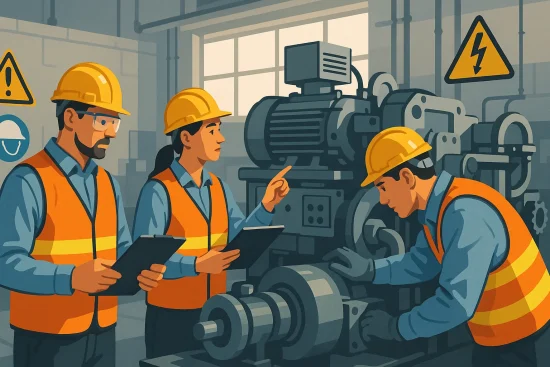
Operating a metal turning workshop requires strict compliance with health, safety, and environmental standards. These regulations protect both workers and the surrounding environment from industrial risks.
The UAE government mandates regular inspections and approvals to ensure safe operations. This includes verifying machinery safety, ventilation systems, and waste disposal practices. Non-compliance can result in license suspension or fines.
Important compliance requirements include:
- Installation of emergency equipment and fire safety systems
- Safe disposal of metal waste and machining fluids
- Proper noise and vibration control systems
- Use of personal protective equipment (PPE) for all staff
- Equipment maintenance logs and operational manuals
- Adherence to Civil Defense and MOIAT safety standards
Committing to compliance ensures your license remains valid and builds trust with clients and stakeholders.
What Are the Advantages of Starting a Metal Turning Business in Dubai?
Dubai offers a strategic location and a strong industrial ecosystem for businesses involved in precision metal services. The city continues to invest in manufacturing infrastructure and industrial innovation, making it a favorable destination for metalworking ventures.
Some key advantages include:
- Access to global markets through major ports and logistics hubs
- Advanced infrastructure and industrial zones
- Stable economic policies and supportive regulations
- Availability of skilled workforce for technical roles
- Tax-efficient business environment
- Demand from growing sectors like aerospace, automotive, and oil and gas
These factors position Dubai as a global manufacturing hub where your metal turning business can scale quickly and successfully.
What Common Mistakes Should You Avoid During Licensing?
The licensing process for a metal turning business can be complex, especially for first-time entrepreneurs. Making mistakes during setup can delay your operations or lead to regulatory penalties.
Key mistakes to avoid include:
- Selecting the wrong business activity or license type
- Incomplete or improperly prepared documents
- Choosing a workshop space that lacks required permits
- Ignoring Civil Defense or environmental approvals
- Overlooking equipment inspection and layout planning
- Underestimating the total cost and time required
Planning ahead and consulting with professionals ensures a smooth and compliant licensing journey.
Is Professional Help Recommended for the Licensing Process?

Absolutely. While it’s possible to handle licensing independently, working with a professional business setup consultant simplifies the process, reduces errors, and saves time. Consultants understand every step, from trade name registration to obtaining approvals, and help you avoid costly delays.
Their role involves guiding you through document preparation, selecting the right jurisdiction, ensuring compliance with all industrial regulations, and coordinating inspections. This structured assistance ensures your license is issued without rejection or legal complications.
Engaging experts allows you to focus on your core business operations while they handle the administrative complexities efficiently.
Conclusion
Starting a metal turning business in Dubai is a promising opportunity within the UAE’s rapidly growing industrial sector. However, to operate legally and competitively, obtaining a valid metal turning license is essential. It confirms that your operations meet all safety, regulatory, and environmental standards.
Choosing the right license type, preparing the necessary documentation, and selecting the best location are all vital parts of the process. With expert help and careful planning, your business can thrive in Dubai’s dynamic manufacturing environment.
Whether targeting local contracts or global exports, this license is your gateway to industrial success.
FAQs
How long does it take to get a metal turning license in Dubai?
The process usually takes 1 to 3 weeks, depending on documentation, approvals, and inspections.
Can I own 100 percent of my metal turning business in Dubai?
Yes, full foreign ownership is allowed in most free zones and in selected mainland setups.
Is a physical workshop mandatory to get the license?
Yes, you must lease an approved physical space; virtual offices are not accepted.
Which free zone is ideal for a metal turning business?
UAQ Free Trade Zone and other industrial-focused zones offer fast processing and support.
What is the industrial activity code for metal turning?
Metal turning typically falls under the fabricated metals category, specific codes vary by authority.
Are CNC machining services allowed under this license?
Yes, CNC and automated lathe operations are included under metal turning activities.
Can I serve UAE-based clients with a free zone license?
You can, but you may need a local distributor or agent to serve mainland customers.