Have you heard about the latest visa policy update between the UAE and Pakistan? If you hold a diplomatic or official passport, travelling between the two nations is now simpler than ever.
The recent visa exemption agreement is part of a broader effort to enhance cooperation and streamline travel for government representatives and officials.
This historic move was announced during the 12th session of the UAE–Pakistan Joint Ministerial Commission in Abu Dhabi. With thousands of Pakistanis living and working in the UAE, this development is significant for both countries, further strengthening their decades-long relationship.
More than just a bureaucratic update, this exemption reflects evolving diplomatic strategies, trust, and shared vision for regional growth.
In this blog, you’ll find everything you need to know about the UAE Pakistan entry visa exemption: who qualifies, how it impacts travel, the reason behind the move, and what it could mean for future partnerships. Let’s explore the details and what it means for you.
What Is the UAE Pakistan Entry Visa Exemption Agreement?
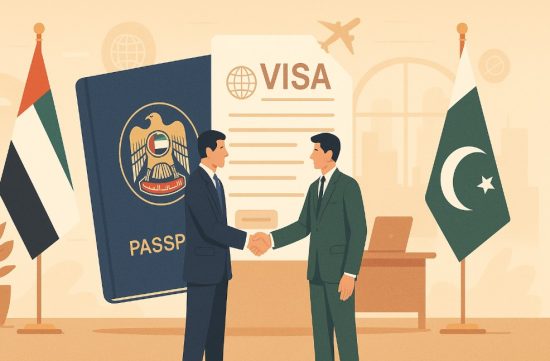
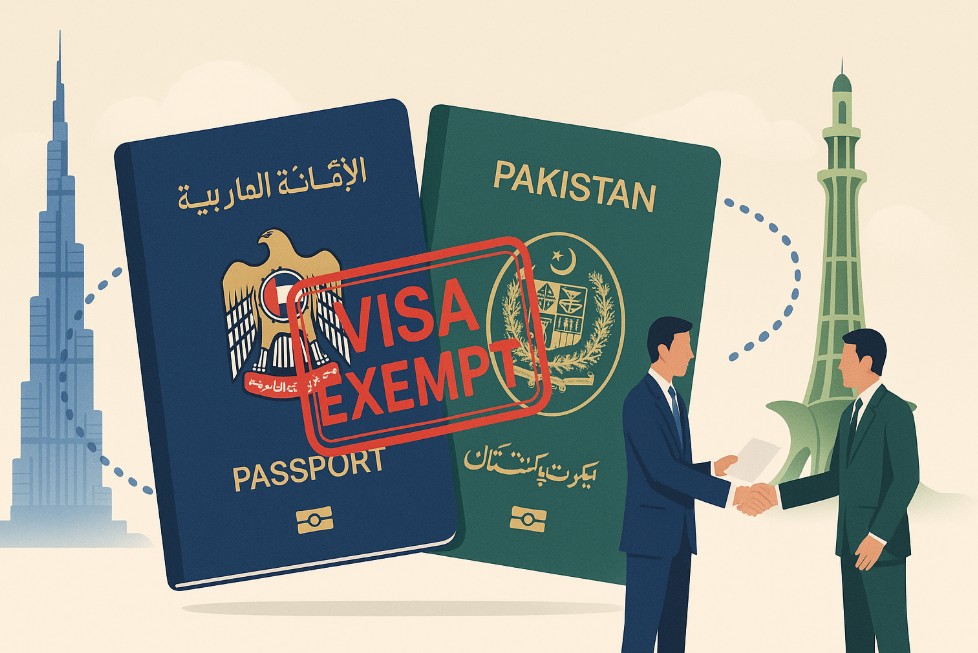
The UAE Pakistan entry visa exemption agreement is a significant diplomatic arrangement that allows specific passport holders to travel between the two countries without needing an entry visa.
This development was officially confirmed during the 12th UAE-Pakistan Joint Ministerial Commission session held in Abu Dhabi. It is a direct result of enhanced bilateral cooperation and a decades-long partnership between the two nations.
The agreement specifically applies to individuals holding diplomatic and official passports, enabling them to enter either country without the typical visa process. This move highlights mutual trust, regional diplomacy, and commitment to shared economic and strategic goals.
Key highlights of the agreement include:
- Applies only to holders of diplomatic and official passports
- Signed during the 12th Joint Ministerial Commission
- Aims to facilitate easier official travel and strengthen bilateral coordination
- Focused on long-term collaboration in trade, investment, and technology sectors
While it doesn’t extend to all citizens, this exemption marks a diplomatic milestone and sets a precedent for future mobility agreements between the two nations. It’s a strategic step that underlines the importance of the UAE and Pakistan’s evolving diplomatic relationship.
This visa exemption not only simplifies administrative procedures but also opens doors to faster governmental coordination and policy-making between the two nations.
Who Is Eligible for Visa-Free Entry Between UAE and Pakistan?
Understanding who benefits from this agreement is crucial if you’re planning official or government-related travel. This visa exemption isn’t open to all citizens but is tailored to a specific group of travellers. The aim is to support diplomatic missions and official state duties.
Eligibility Explained in Detail
The UAE Pakistan entry visa exemption is not universal. It only applies to a limited group that falls under specific categories. These individuals can now travel between the two nations without the need for a prior entry visa.
Diplomatic and Official Passport Holders
Those holding diplomatic and official passports are eligible under this agreement.
This includes:
- Ambassadors and consular staff
- Government officials on duty
- Senior-level ministry staff
- Delegates representing government agencies
These individuals can now enjoy visa-free access for official visits, assignments, and intergovernmental meetings.
Clarification for Regular Passport Holders
For those holding ordinary passports, the visa exemption does not apply. Citizens with regular passports must still follow the traditional visa process, including documentation, applications, and possible interviews.
Here’s a quick comparison for clarity:
| Passport Type | Visa Requirement |
| Diplomatic Passport | No Visa Required |
| Official Passport | No Visa Required |
| Ordinary Passport | Visa Required |
This policy focuses solely on easing travel for government personnel, reinforcing formal relationships between the two nations rather than affecting general travel procedures.
In summary, if you’re a regular traveller or tourist, you must continue following the existing visa application rules until any changes are announced in the future.
Why Was This Visa Waiver Agreement Introduced?

The visa waiver agreement between the UAE and Pakistan wasn’t just about simplifying entry procedures’s part of a broader strategic vision. Both nations have enjoyed strong ties for over 50 years, and this move reflects mutual interests in deepening those relations further.
One of the main drivers behind this agreement is the need to enhance diplomatic efficiency. By removing bureaucratic barriers for official and diplomatic passport holders, it becomes easier for governments to collaborate more frequently and swiftly.
Several additional motivations influenced this development:
- Strengthening political trust between leaderships
- Supporting seamless diplomatic communication
- Encouraging bilateral meetings without delays
- Reinforcing the UAE’s investment interests in Pakistan
- Promoting the UAE’s role as a regional connector
The UAE and Pakistan have consistently worked together in areas like trade, energy, infrastructure, and IT Companies. Signing a visa exemption agreement facilitates stronger engagement in these sectors by allowing easier travel for key decision-makers.
This agreement also aligns with modern diplomatic trends where countries build deeper relationships through reduced travel restrictions for state officials. Ultimately, it’s about creating faster, more flexible diplomacy that benefits both nations.
How Does This Impact Travel Between the UAE and Pakistan?
If you hold a diplomatic or official passport, this agreement can significantly streamline your travel experience. You no longer need to apply for a visa beforehand, making travel arrangements less time-consuming and more efficient for official visits.
This development simplifies procedures and boosts the convenience of state-level exchanges. Diplomats, government delegates, and high-level ministry officials can now move freely for formal engagements, bilateral discussions, or international summits hosted in either country.
The agreement impacts travel in the following ways:
- Faster border clearance for eligible passport holders
- Fewer documentation requirements before travel
- No need for pre-approval visas
- Ease of travel scheduling for urgent diplomatic missions
While this doesn’t directly affect general tourism or work-related travel for the public, it sends a strong signal that the UAE and Pakistan are moving towards more connected and collaborative ties.
The more streamlined the official visits become, the more effective policy implementations are expected in key sectors such as investment, education, and technology.
For those involved in inter-governmental projects or regional alliances, this exemption improves mobility and coordination on the ground.
Is This Visa Exemption Active Right Now?
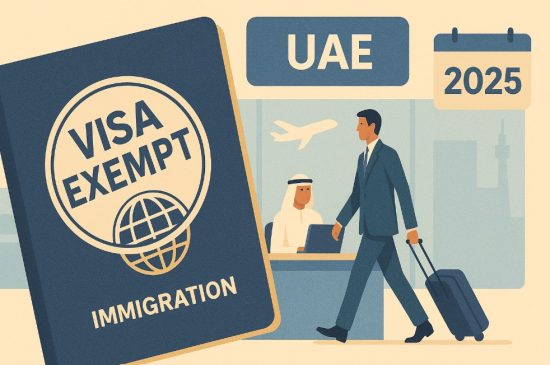
Yes, the visa exemption agreement between the UAE and Pakistan is already active and was announced during the high-level ministerial meeting in Abu Dhabi. The signing took place as part of the 12th UAE-Pakistan Joint Ministerial Commission, confirming the deal’s immediate effectiveness.
According to statements made by the foreign ministries of both nations, the exemption for diplomatic and official passport holders is now in force. This means that eligible individuals can start travelling under the new terms without needing to go through the visa process.
Key points to note:
- Active as of late 2023
- Signed officially during the JMC in Abu Dhabi
- Applies to both UAE and Pakistani diplomatic officials
- No additional announcement needed for activation
While the exemption is fully operational, it’s important for eligible travellers to carry relevant identification, ensure their passport type matches the criteria, and check with their respective embassies for any last-minute procedural updates.
This swift implementation shows both countries’ intent to accelerate cooperation and remove any unnecessary hurdles for inter-governmental interactions.
What Should You Know If You’re Not Eligible for the Visa Exemption?
If you’re a Pakistani or UAE citizen with a standard passport, this visa exemption does not apply to you yet. Regular travellers, tourists, and business professionals still need to follow the existing visa application procedures, depending on the country they’re visiting.
Understanding the current guidelines is essential if you’re travelling for work, vacation, or family reasons.
Here’s what you need to keep in mind:
- Apply for a visa in advance through the official UAE or Pakistani portals
- Prepare all necessary documents, like a passport, photos, and proof of accommodation
- Pay the appropriate visa fees as per current travel laws
There are no special shortcuts for non-diplomatic travellers under this exemption agreement. However, Pakistan and the UAE have a strong people-to-people connection, and future policies could extend benefits to broader groups.
For now, the following groups are not eligible:
- Tourists
- Private-sector professionals
- Students and family visitors
- Transit travellers without diplomatic roles
If you don’t qualify, you should continue applying through embassy channels or online portals and keep an eye on updates for any public-friendly exemptions in the future.
What Are the Broader Implications of the UAE Pakistan Visa Waiver?
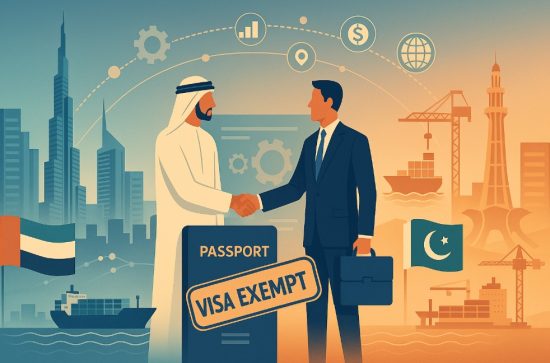
Beyond travel simplification for a select group, this agreement reflects larger strategic goals and potential economic growth for both nations. The UAE and Pakistan share a long-standing alliance, and this move supports ongoing efforts to build institutional frameworks that drive innovation and economic prosperity.
The visa waiver also:
- Reinforces regional stability through tighter diplomatic bonds
- Enhances UAE’s investment confidence in Pakistan’s key sectors
- Builds momentum for cooperation in technology, energy, and AI
- Creates a model for regional bilateral diplomacy
By removing a common bureaucratic barrier for officials, both countries signal readiness for deeper engagement in global and regional issues. This also ties in with agreements on artificial intelligence and the digital economy signed alongside the visa waiver.
The UAE’s growing interest in Pakistan’s infrastructure and digital sectors indicates that this agreement will be more than just a travel policy. It will likely pave the way for robust collaborations in policy-making, public service, and digital governance.
In essence, this visa exemption is a diplomatic lever that can open bigger doors for regional and economic advancement.
Conclusion
The UAE Pakistan entry visa exemption is a significant step toward strengthening ties between two long-standing allies. By eliminating entry visa requirements for diplomatic and official passport holders, both nations are investing in faster, more efficient diplomacy.
This move also supports bilateral projects, allowing key officials to coordinate across borders with ease.
Though this update doesn’t affect all citizens yet, it lays the groundwork for deeper engagement in sectors such as technology, trade, and public administration. It’s a strong signal that UAE and Pakistan are not just preserving tradition but also evolving to meet modern diplomatic demands.
If you’re a government official, the new rules mean easier travel. If you’re not, it’s worth watching how this deal may shape broader travel freedoms in the years ahead.
FAQs
Can Pakistani citizens travel to the UAE without a visa now?
No, the exemption applies only to diplomatic and official passport holders, not to regular citizens.
When did the UAE Pakistan visa exemption agreement come into effect?
The agreement became effective after it was signed during the 12th Joint Ministerial Commission in Abu Dhabi in late 2023.
Who signed the UAE Pakistan visa exemption agreement?
The agreement was signed by Sheikh Abdullah bin Zayed Al Nahyan and Mohammad Ishaq Dar during a formal diplomatic session.
Does this exemption cover work visas or residence permits?
No, it does not apply to work or residence permits, only to diplomatic and official entries.
Will tourists benefit from the UAE Pakistan visa waiver?
No, tourists still need to obtain a visa before travelling between the UAE and Pakistan.
Are there plans to expand the visa exemption to regular passport holders?
There have been no official announcements yet, but future discussions could open broader exemptions.
How long can eligible individuals stay without a visa under this agreement?
The exact duration depends on mutual terms but generally supports short-term diplomatic or official stays.