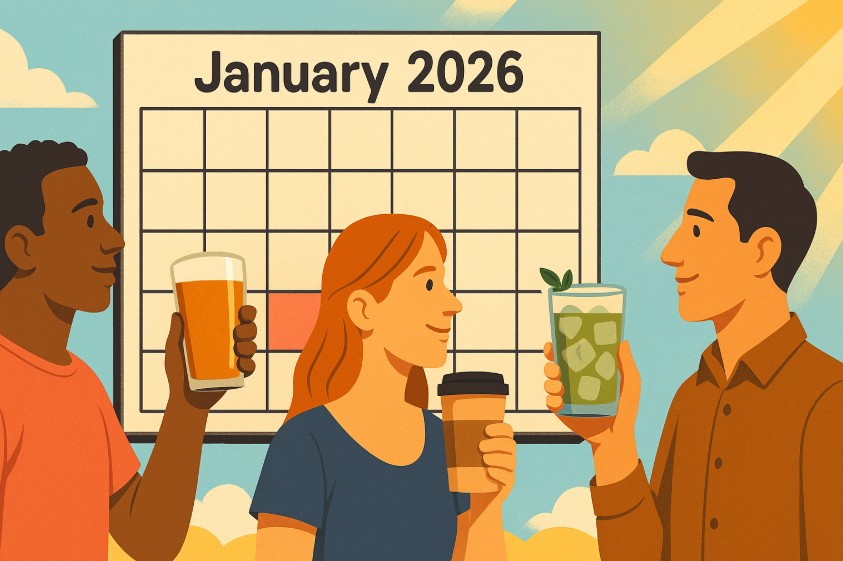
Are you wondering how the upcoming UAE sugar tax on beverages will affect your daily drink choices and expenses? With new rules confirmed to take effect from January 1, 2026, the UAE government is moving from a flat excise tax model to a dynamic, sugar-content-based system.
This means the more sugar a beverage contains, the more tax it will carry. The shift aims to promote healthier lifestyles and align with the GCC’s unified tax structure. Whether you’re a consumer, retailer, or manufacturer, these changes will likely influence product pricing, shopping habits, and regulatory responsibilities.
Understanding how this tax works and who it affects is essential for preparing in advance. In this blog, you’ll discover how the new UAE sugar tax on beverages is structured, why it’s being implemented, what drinks it covers, and how it impacts both individuals and businesses. Let’s break down everything you need to know.
What Is the UAE Sugar Tax on Beverages Starting January 2026?
The UAE’s Ministry of Finance has announced that starting January 1, 2026, a new excise tax system will be introduced for sugar-sweetened beverages (SSBs). This updated tax model will replace the current flat 50 percent tax and shift to a tiered volumetric model, where beverages are taxed based on the amount of sugar per 100ml.
The primary goal is to make the excise tax system more targeted, fair, and aligned with other Gulf Cooperation Council (GCC) member countries. By focusing on sugar concentration, the new model incentivizes beverage producers to reduce sugar content and gives consumers healthier choices.
Here’s what makes the new tax model different:
- Tax is applied per 100ml of beverage.
- Rates increase with the level of sugar in the drink.
- Drinks with lower sugar content are taxed less.
- Products with no added sugars or only natural sugars may be exempt.
The policy applies nationwide and includes clear mechanisms for implementation, overseen by the Federal Tax Authority (FTA). This shift signifies a broader public health and fiscal strategy for the UAE. In the coming sections, we’ll explore the reasoning, structure, and impacts in more detail.
Why Is the UAE Changing Its Beverage Tax System?
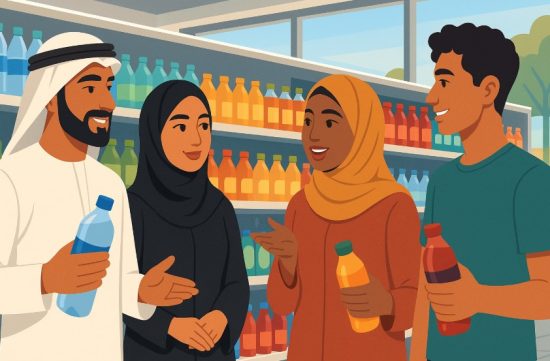
The updated sugar tax policy isn’t just a fiscal move, it’s part of a much wider health, economic, and regulatory reform strategy. The UAE is targeting multiple long-term goals through this change, driven by international standards and local needs.
Public Health Concerns (Obesity, Diabetes)
The UAE has seen rising health concerns linked to excessive sugar consumption, particularly obesity and type 2 diabetes. The tiered sugar tax is designed to discourage high sugar intake, especially among children and youth who are more prone to sugary beverages. By making high-sugar drinks more expensive, the policy encourages healthier decisions at the point of purchase.
Encouraging Healthier Consumer Behavior
A variable tax rate motivates consumers to compare sugar levels and opt for lower-sugar or sugar-free options. It also pushes beverage companies to reformulate recipes to reduce sugar content and remain competitively priced. This creates a healthier food environment without banning any specific product.
Bringing Local Law in Line With Global Tax Practices
The new system aligns with the GCC’s unified tax framework, promoting regional consistency in excise tax applications. It reflects international trends seen in countries like the UK, Mexico, and South Africa, where tiered sugar taxes have been effective in reducing sugar consumption and improving public health outcomes.
VAT Filing Deadlines Based on Turnover
| Annual Turnover (AED) | Filing Frequency | Filing Deadline |
| Above 150 million | Monthly | 28th of following month |
| Below 150 million | Quarterly | 28th of following month |
The adoption of a sugar-content-based system brings both social and economic benefits, ensuring that the UAE keeps pace with evolving health regulations and remains a leader in tax innovation within the region.
How Will the New Tiered Sugar Tax System Work?
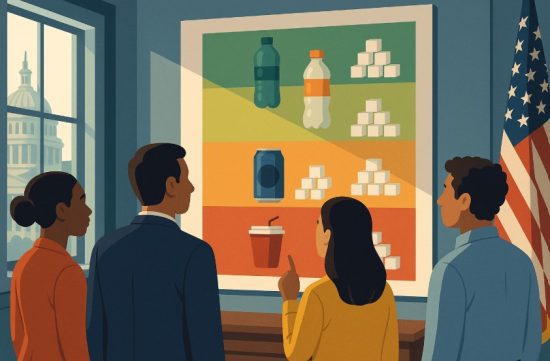
Under the new model, the UAE is moving away from a flat 50 percent excise tax to a tiered, volumetric taxation system. This model is based on grams of sugar per 100ml of beverage, aligning with modern excise taxation frameworks used globally.
The Federal Tax Authority (FTA) will oversee the system, and businesses will be required to submit lab reports verifying the sugar content of their products. Depending on the sugar concentration, drinks will be assigned a tax tier with a specific excise rate.
- Drinks with higher sugar content will face higher tax rates.
- Low- or zero-sugar beverages may fall into reduced or zero-rate categories.
- Beverages with only naturally occurring sugars may be exempt altogether.
- Energy drinks will continue to be taxed at a flat 100 percent rate.
This tax model offers more fairness and flexibility than the previous flat-rate system. It also supports product innovation and gives consumers greater clarity and control over their beverage choices.
What Are the Sugar Tax Tiers Likely to Be?
The sugar tax brackets are expected to follow a clear structure:
- High Sugar: 8g or more per 100ml – Highest tax rate
- Moderate Sugar: Between 5g and 8g per 100ml – Mid tax rate
- Low Sugar: Less than 5g per 100ml – Lowest tax rate
- Zero or Natural Sugars Only: Potentially zero-rated or exempt
These categories will be confirmed by the UAE Cabinet. Businesses must register products in the correct bracket, and misclassification can result in fines or compliance issues.
VAT Filing Deadlines Based on Turnover
| Annual Turnover (AED) | Filing Frequency | Filing Deadline |
| Over 150 million | Monthly | 28th of next month |
| Under 150 million | Quarterly | 28th of next month |
This tax structure rewards both businesses and consumers for making healthier choices and ensures transparency in pricing across all beverage categories.
Which Drinks Will Be Affected by the UAE Sugar Tax?
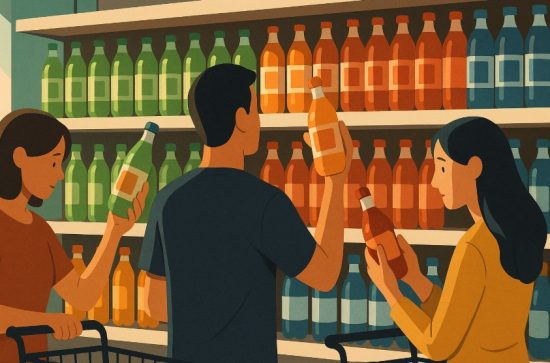
The sugar tax will apply to a wide range of sugar-sweetened beverages, with tax amounts depending on their sugar concentration. All beverages that contain added sugar or sweeteners, whether natural or artificial, will be subject to this new excise regime.
Products likely to be affected include:
- Carbonated soft drinks like colas and flavored sodas
- Energy drinks, which will continue to carry a 100 percent tax
- Juices and fruit drinks with added sugar
- Sports and electrolyte beverages
- Sweetened milk and flavored dairy drinks
- Pre-packaged iced teas or coffees
Some drinks may be exempt:
- Products with only naturally occurring sugars and no added sweeteners
- Unsweetened beverages, including water, black coffee, and herbal teas
It’s crucial for both consumers and retailers to read ingredient lists and nutrition labels carefully. Misunderstanding which drinks fall under the tax can lead to surprise costs or regulatory issues at the retail level. This tiered model encourages better product formulation and transparency in the beverage industry.
How Will the New Sugar Tax Impact Beverage Prices?
Starting January 1, 2026, beverage prices in the UAE will vary depending on their sugar content per 100ml. High-sugar beverages will become more expensive, while lower-sugar or zero-sugar options may stay the same or even decrease in cost.
Here’s how pricing is expected to shift:
- High-sugar drinks (≥8g/100ml) will carry significantly higher prices due to elevated tax rates.
- Moderate-sugar drinks (5g–8g/100ml) may see moderate price increases.
- Low-sugar drinks (<5g/100ml) will be more affordable alternatives.
- Sugar-free or naturally sweetened beverages may not be taxed, making them cost-effective choices.
Retailers are expected to pass these taxes onto consumers, so price tags at supermarkets, cafes, and vending machines will reflect the new rates.
Price Impact Comparison
| Drink Category | Sugar Content (per 100ml) | Expected Price Impact |
| Cola or soda | ≥8g | High increase |
| Sweetened fruit juice | 5g–8g | Moderate increase |
| Light soft drink | <5g | Low increase |
| Diet or zero-sugar drink | 0g | Likely no change |
| Natural juice (no additives) | Natural sugar only | Possibly exempt |
This structure allows consumers to make informed, health-conscious, and budget-friendly choices while supporting the UAE’s national health agenda.
What Does the Sugar Tax Mean for UAE Consumers?
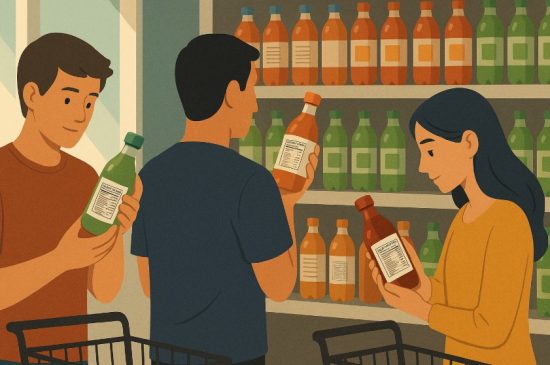
For everyday shoppers in the UAE, the new sugar tax means a noticeable change in how drinks are priced and consumed. If you’re used to buying sweetened beverages regularly, it’s time to start reading those nutrition labels.
Here’s what you need to know as a consumer:
- Check the sugar content per 100ml on the product label.
- Understand that higher sugar means higher price.
- Compare zero-sugar or low-sugar options, which may be significantly cheaper.
- Expect product reformulations, as manufacturers may lower sugar to stay competitive.
Parents should pay special attention to children’s drinks, as many juices and flavored milks may fall into higher tax brackets. Households that consume large quantities of sweetened drinks may see monthly grocery expenses rise unless they switch to lower-taxed alternatives.
Consumers who make smarter beverage choices could save money while also improving their overall health. The tax puts buying power in the hands of informed shoppers.
What Should UAE Businesses Do to Prepare for the 2026 Sugar Tax?
Businesses involved in beverage production, import, or retail need to prepare well in advance of January 1, 2026. The Federal Tax Authority (FTA) has issued implementation guidelines that all affected entities must follow.
Key action points for businesses include:
- Submit lab test results for each beverage to confirm sugar levels.
- Classify each product into the correct tax tier.
- Update product registration through the FTA portal.
- Revise labeling and pricing strategies to reflect new tax rates.
- Communicate with suppliers and retailers about SKU changes and inventory timelines.
Businesses that delay these updates could face compliance penalties, stock management issues, and customer dissatisfaction. Preparing early will ensure a smooth transition and protect brand trust.
Can Businesses Reclaim Previously Paid Excise Tax?
Yes, the UAE Ministry of Finance has introduced a mechanism to allow for partial deductions on excise tax already paid before January 2026. This applies only to products that remain unsold when the new tax structure is implemented and fall into a lower tax tier under the new rules.
Steps businesses must take include:
- Ensure documentation of the initial 50 percent tax payment.
- Submit proof that the goods were not sold before January 1, 2026.
- Apply for a tax deduction based on the difference between old and new tax rates.
This rule prevents businesses from financial losses due to pre-existing inventory and provides a fair transition to the updated tax regime. The deduction process will be managed through the FTA system.
How Will This Policy Support the UAE’s Long-Term Goals?
The new sugar tax system plays a vital role in the UAE’s broader health and economic policies. It reflects the government’s commitment to developing a more sustainable, health-focused society.
The policy promotes:
- Reduced sugar consumption, directly addressing rising cases of obesity and diabetes.
- A shift towards healthier consumer behavior, backed by tax-based incentives.
- Economic modernization through compliance with GCC guidelines and international best practices.
By reshaping how sugary drinks are taxed, the UAE is setting a regional example in public health policy. The long-term impact includes healthier citizens, better-managed healthcare costs, and a stronger, more resilient fiscal framework.
Conclusion
With the UAE sugar tax on beverages set to launch in January 2026, businesses and consumers alike need to prepare for a significant shift in product pricing and regulatory requirements. From health goals to regional tax alignment, this new tiered model encourages better decision-making from both sides of the shelf.
Whether you’re shopping for your family or managing a product line, understanding the sugar content in beverages will be more important than ever. Smart adjustments now can lead to cost savings and long-term health benefits.
Stay informed, make responsible choices, and ensure your practices align with the UAE’s new health-first approach to beverage taxation.
FAQs
What is the effective date of the UAE sugar tax in 2026?
The new sugar tax will take effect nationwide starting January 1, 2026.
Will all sweetened drinks be taxed the same way?
No, drinks will be taxed based on their sugar content per 100ml under a tiered model.
Are natural fruit juices included in the sugar tax?
Beverages with only naturally occurring sugars and no added sweeteners may be exempt.
Can businesses claim back tax on unsold stock?
Yes, businesses can claim a partial refund if the tax rate is lower under the new system and goods are unsold.
Do energy drinks still have a 100% tax?
Yes, energy drinks will continue to carry the 100 percent excise tax under the new policy.
What should consumers look for on drink labels?
Check the sugar content per 100ml to understand how much tax the product may incur.
Will prices go down for diet or zero-sugar drinks?
In many cases, yes. Zero-sugar options may have lower or no taxes, making them more affordable.