
Are you wondering how to get an audit license in the UAE and start your career or business in this dynamic market? With the UAE’s booming economy and growing regulatory environment, becoming a licensed auditor opens doors to vast opportunities.
Whether you are an individual aiming to work independently or planning to set up an audit firm, the process involves multiple steps and clear requirements. From educational qualifications to passing specific exams and registering with the Ministry of Economy, the journey can seem complex at first.
But with the right guidance, it’s manageable. This blog will walk you through everything you need to know: what an audit license is, why you need it, who can apply, costs, steps, challenges, benefits, and compliance tips. By the end, you’ll feel equipped to take the right steps towards securing your UAE audit license and building a trusted, compliant practice. Let’s break it down clearly.
What Is an Audit License in the UAE?
An audit license in the UAE is an official permit issued by the Ministry of Economy (MoE) that allows professionals and firms to provide audit services legally. It certifies that you or your firm meet all required educational, professional, and regulatory standards.
In the UAE, audits are a critical part of business, especially with regulations like corporate tax and economic substance requirements. Only licensed auditors can sign off on financial statements submitted to authorities like the Federal Tax Authority.
Key features of an audit license:
- Eligibility to perform statutory audits for companies and free zone entities
- Authority to sign audited financial statements under UAE laws
- Recognition by government bodies and regulators, such as the Ministry of Economy and local licensing authorities
Holding this license boosts professional credibility, opens the door to government and corporate contracts, and establishes you as a trusted player in the UAE financial services sector. Without it, offering audit services is illegal and can lead to penalties or business closure.
Why Do You Need an Audit License in the UAE?

You need an audit license in the UAE because it is legally required to conduct audits, issue audit reports, and offer audit-related services. Only Ministry of Economy-approved auditors can certify financials, which are essential for tax filings, regulatory compliance, and investor relations.
Reasons why it matters:
- Legal Compliance: Without a license, offering audit services is illegal and can result in severe fines or business suspension.
- Corporate Requirements: Many companies must submit audited accounts to authorities, especially if their annual revenue exceeds AED 50 million.
- Free Zone Incentives: To qualify for 0% corporate tax rates in UAE free zones, businesses must present audited financial statements by a licensed auditor.
Additionally, the license positions you as a credible and recognized professional in the UAE market, allowing you to work with both local and international clients confidently.
Who Can Apply for an Audit License in the UAE?
Not everyone can apply for an audit license in the UAE. To be eligible, you must meet specific academic, professional, and experience requirements set by the Ministry of Economy.
Eligibility criteria include:
- Educational Background: A bachelor’s degree in accounting, finance, or a related field. Non-accounting graduates need at least 15 credit hours in accounting courses.
- Professional Experience: Minimum of five years’ post-degree experience in auditing, with varying UAE-specific experience for expatriates.
- Professional Certifications: Recognized certifications such as ACCA, CPA, ICAEW, or SOCPA can provide exam exemptions.
Both individuals (to work independently) and firms (to operate as a licensed audit company) can apply, provided all partners meet these criteria. The application is open to UAE nationals and expatriates who fulfill the detailed requirements.
What Are the Requirements for Getting an Audit License in the UAE?

To obtain an audit license, you need to satisfy multiple requirements related to education, certifications, and regulatory compliance.
Core requirements:
- Academic Qualifications: Minimum bachelor’s degree in accounting or related fields, master’s degree is an advantage.
- Professional Experience: At least five years of practical experience under a licensed auditor or firm.
- Certifications: Pass UAE-specific exams on IFRS, ISA, and UAE tax laws unless exempt via recognized certifications.
- Fellowship Programme: Complete the mandatory UAE Fellowship Programme, which includes exams and continuing professional education.
You must also submit various documents such as passport and Emirates ID copies, educational certificates, a good conduct certificate, and a NOC if employed. Ensuring all these are ready and accurate is crucial for a smooth approval process.
How Much Does It Cost to Get an Audit License in the UAE?
The cost of getting an audit license in the UAE typically starts at AED 19,000 and can go up to AED 150,000, depending on the type of setup, business location, size, and services offered. Free zones and mainland areas have different fee structures.
Here’s a clearer breakdown:
- For individuals: Expect to pay around AED 4,500 for a three-year registration with the Ministry of Economy, plus an AED 100 application fee.
- For businesses: If you’re setting up on the mainland, total expenses usually fall between AED 40,000 and AED 80,000, covering trade licenses, office leases, MoE registration, visa costs, and compliance fees. In free zones, costs are often lower, averaging AED 20,000 to AED 25,000, which includes license and visa.
Don’t forget other costs like professional indemnity insurance (minimum AED 500,000 for individuals and AED 1,000,000 for firms) and exam fees. Careful financial planning will help you manage the full licensing journey.
How Do You Apply for an Audit License in Dubai and Other Emirates?

The process to apply for an audit license in the UAE is structured and regulated, with specific steps depending on whether you apply as an individual or firm, and whether in Dubai mainland or a free zone.
How to Apply for Audit License in Dubai Mainland?
For Dubai mainland, follow these steps:
- Reserve a trade name and register it with Dubai’s Department of Economic Development (DED).
- Apply for EAAA membership and complete the UAE Fellowship Programme, including exams.
- Obtain professional indemnity insurance (minimum AED 500,000).
- Submit your documents and application to the Ministry of Economy, including proof of qualifications and experience.
- Pay the application fee (AED 100) and licensing fee (AED 4,500 for individuals).
- If opening a firm, ensure you have at least two partners, including one UAE national with 25% ownership, and register the firm with MoE.
How to Apply for Audit License in Free Zones?
For free zones, the process is slightly streamlined:
- Select a free zone that allows audit services (like DMCC or DIFC).
- Reserve a company name and obtain initial approval from the free zone authority.
- Secure office space within the free zone.
- Complete the audit license application, attach EAAA membership, certifications, and insurance.
- Submit to the free zone authority, then register with the Ministry of Economy for UAE-wide recognition.
Both pathways require strict adherence to local laws and timely document submission.
How to Register as an Auditor with the UAE Ministry of Economy?
To register as an auditor with the UAE Ministry of Economy, you must complete several formalities. Start by submitting your educational qualifications, professional certificates, experience letters, Emirates ID, passport copy, and proof of completed UAE Fellowship Programme.
Next, apply online through the MoE portal, attach the necessary documents, and pay the AED 100 application fee and AED 4,500 license fee.
You must also provide proof of professional indemnity insurance. Once the application is reviewed, the MoE issues the license, valid for three years. This registration is mandatory to legally perform audits and offer services across the UAE.
What Are the Steps to Renew an Audit License in the UAE?

Renewing your audit license in the UAE is essential to maintain legal standing. The process is straightforward but requires attention to deadlines.
Key steps:
- Confirm completion of at least 30 hours of Continuing Professional Education (CPE) annually, including 12 hours in core topics.
- Verify you have updated professional indemnity insurance.
- Submit renewal documents, including your existing license, CPD records, insurance certificate, and updated personal or company details.
- Pay the renewal fee within 60 days before expiration or no later than 10 months after expiry to avoid penalties.
The Ministry of Economy reviews your renewal application, and upon approval, extends your license for another three years.
What Documents Are Required for Audit License Approval?
You’ll need to submit multiple documents to secure audit license approval in the UAE.
Essential documents include:
- Passport copy and Emirates ID.
- Educational certificates (bachelor’s or higher, with transcripts).
- Professional certifications (e.g., ACCA, CPA).
- Experience certificates from past employers.
- No Objection Certificate (NOC) if currently employed.
- Good conduct police clearance certificate.
- Trade name reservation and office lease agreement (for firms).
- Proof of professional indemnity insurance coverage.
Having a complete and accurate document set helps avoid delays and increases the chance of first-time approval.
What Challenges Should You Expect When Applying?
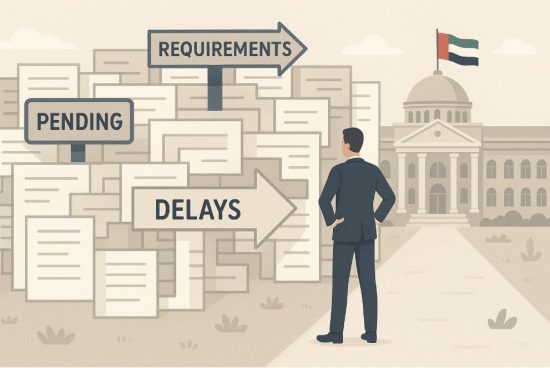
Applying for an audit license in the UAE can present several challenges, especially for expatriates or new firms. Common issues include gathering all required documents, meeting UAE-specific experience requirements, passing difficult exams, and navigating legal nuances between mainland and free zone setups.
For firms, challenges also include securing a UAE national partner, implementing a risk management framework, and fulfilling office space regulations. Proper preparation, expert consultation, and staying updated on regulatory changes can help you overcome these hurdles smoothly.
What Are the Benefits of Having an Audit License in the UAE?
Holding an audit license in the UAE provides numerous professional and business advantages. You gain legal authority to provide audit services, expanding your career or business opportunities. It enhances your reputation, enabling you to work with high-profile corporate clients, government bodies, and free zone companies.
Licensed auditors can also offer tax compliance, risk advisory, and assurance services, unlocking diversified revenue streams. Furthermore, with the UAE’s global business connectivity, having a license positions you as a trusted expert not just locally but regionally.
How Can You Ensure Compliance After Getting Licensed?

Compliance is critical to maintaining your UAE audit license and reputation.
Here’s how to stay compliant:
- Complete at least 30 hours of CPD annually, focusing on core areas.
- Renew professional indemnity insurance before it expires.
- Adhere strictly to the UAE’s ethical guidelines, maintaining independence and integrity.
- Stay updated on regulatory changes, including tax laws and audit standards.
- Maintain proper client documentation and implement a risk management framework if operating a firm.
Regular internal reviews and using compliance checklists can help avoid penalties or license suspension.
Conclusion
Getting an audit license in the UAE is a structured but rewarding process. From meeting strict education and experience requirements to passing exams and registering with the Ministry of Economy, every step strengthens your professional standing. Whether you are an individual auditor or launching a firm, the UAE offers abundant opportunities in its expanding economy.
Maintaining your license with ongoing professional development and ethical standards ensures you stay competitive and compliant. With the right preparation, determination, and resources, you can build a successful, respected auditing career or firm in the UAE. Ready to take the first step?
FAQs
What educational qualifications are needed for an audit license in the UAE?
You need at least a bachelor’s degree in accounting or finance or 15 accredited accounting credit hours.
Do I need UAE experience to apply as an expatriate?
Yes, expatriates need one to three years of UAE auditing experience depending on their international background.
How long is an audit license valid in the UAE?
An audit license is valid for three years and must be renewed before expiry to continue practicing.
Can a firm apply for an audit license without a UAE national partner?
No, audit firms must have at least one UAE national partner holding a minimum of 25% ownership.
What is the cost of setting up an audit firm in a free zone?
Costs typically range from AED 20,000 to AED 25,000, covering license, visa, and office space.
How many CPD hours are required annually?
Auditors must complete at least 30 CPD hours each year, with 12 hours focused on core subjects.
Are there penalties for non-compliance?
Yes, penalties can include fines, suspension, or license revocation for ethical or regulatory violations.
Recent Posts