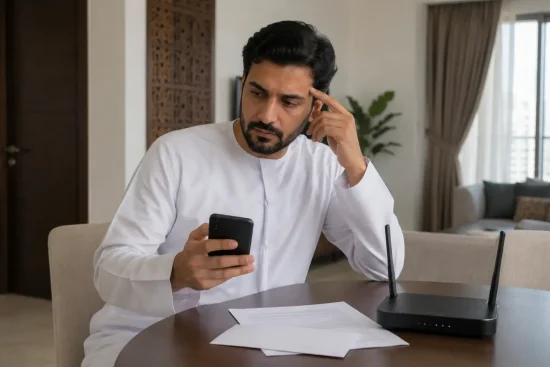
Have you recently applied for a UAE visa only to face a sudden rejection? You’re not alone. Every year, thousands of hopeful applicants are surprised when their visa requests are denied, often without a clear explanation.
This can be incredibly frustrating, especially if you’ve prepared all your documents carefully and followed the application process. Understanding why your visa was rejected is the first step toward resolving the issue and applying again with better chances of approval.
In this guide, you’ll learn exactly how to check UAE visa rejection reasons using reliable methods. We’ll walk you through checking rejection notices, tracking application status, contacting officials, and recognizing the most common causes of rejection.
With accurate information, you’ll be able to address the issue and plan your next move confidently. Let’s dive into how you can uncover the real reason behind your UAE visa rejection and what you can do next.
What Happens When a UAE Visa Gets Rejected?
Facing a UAE visa rejection can be disheartening, especially when you’ve already started planning your trip or move. A visa rejection simply means that the immigration authorities found something in your application that didn’t meet their requirements. But this decision isn’t permanent, and it doesn’t mean you can never apply again.
When your UAE visa is rejected, here’s what typically happens:
- You may receive a notification from the visa issuing authority, sponsor, or embassy.
- In some cases, no direct reason is provided, especially for tourist visa applications.
- The status on online platforms like GDRFA or ICA may show “rejected” without explanation.
- Your travel plans get paused until the issue is resolved or clarified.
Common initial impacts of a visa rejection include:
- Delay in travel or job opportunities
- Loss of application fee (as refunds are rarely provided)
- Anxiety about future applications
While the rejection can feel like a setback, it’s often due to fixable issues such as documentation errors or incomplete forms. Understanding what went wrong is crucial for your next application.
Rather than viewing it as a dead end, treat the rejection as feedback from the UAE immigration authorities. Once you identify the problem, you can fix it, reapply, and improve your chances of approval.
How Can You Check the Reason for Your UAE Visa Rejection?

If your UAE visa application was denied, don’t panic. The good news is that you can usually find out why, either directly or indirectly. While not every rejection comes with a detailed explanation, there are several ways you can investigate and identify the reason for denial.
Did You Receive a Rejection Notice or Email?
In many cases, especially with residence or employment visas, the UAE immigration authorities or your sponsor may issue a formal rejection notice or send an email.
Check the following:
- Your email inbox, including spam or junk folders
- The visa application portal dashboard
- Any official communication from your travel agent or sponsor
A rejection notice may highlight errors such as:
- Mismatched passport details
- Incomplete forms or missing documents
- Security flags or prior immigration issues
It’s your first clue, so read it carefully and look for anything unusual or inconsistent.
Can You Track Your Visa Application Status Online?
If you didn’t receive a direct explanation, the next step is to track your application online. Several official UAE platforms offer this feature.
| Platform | How to Access | What You’ll Need |
| GDRFA (for Dubai visas) | gdrfad.gov.ae | Application number and passport details |
| ICA Smart Services (for other Emirates) | smartservices.ica.gov.ae | Visa file number or passport number |
| DubaiNow App | Available on iOS & Android | Emirates ID or passport details |
| u.ae (official portal) | u.ae | General visa service status |
These platforms usually display the visa status and may provide a brief explanation like “Application rejected due to incorrect documentation” or “Duplicate entry found”.
What If You Didn’t Get Any Rejection Details?
Sometimes, rejections happen without any explanation.
In that case, here’s what you can do:
- Contact the UAE Embassy or Consulate in your home country. They might not always have detailed reasons, but they can sometimes guide you toward the next step.
- If you used a visa service provider, contact them directly. They may have internal access to more details from the immigration department.
- You can also reach out to the sponsor or PRO (Public Relations Officer) if your visa was applied for through a company or family member in the UAE.
While it may take time, following these steps often leads to the clarity you need to address the issue effectively.
What Are the Most Common UAE Visa Rejection Reasons?

Understanding the root cause of your visa rejection is key to successfully reapplying. There are several well-documented reasons why UAE visas are denied, and most of them relate to application errors, documentation problems, or policy-based restrictions.
Is There an Issue with Your Application Details?
Incorrect or incomplete information is one of the most frequent causes of visa denial.
This includes:
- Typos in your name, date of birth, or passport number
- Selecting the wrong visa category
- Inconsistent data across documents
- Stating an unclear purpose of travel
Even small errors can flag your application, so always double-check every entry before submission.
Could It Be a Documentation Problem?
Documents play a crucial role in the UAE visa approval process.
Common issues include:
- Blurred or low-resolution passport scans
- Handwritten passports, which are generally not accepted
- Missing supporting documents like photos, flight details, or accommodation proof
If the quality of your documents doesn’t meet UAE’s strict criteria, your visa may get rejected automatically.
Are You Facing Legal or Security Barriers?
Security is a high priority for UAE immigration authorities.
Reasons under this category include:
- Having a criminal record either in the UAE or your home country
- Previously overstaying a UAE visa
- Unpaid fines or court cases in the UAE
- Prior visa ban violations
These factors can lead to immediate disqualification unless properly resolved.
Could There Be Financial or Medical Grounds?
In some cases, applicants fail to meet financial or health requirements, including:
- Inability to prove financial stability
- Missing or failed medical tests, especially for residency or work visas
- Positive test results for contagious diseases like HIV, TB, or Hepatitis
This is especially important for certain job roles such as domestic workers, food handlers, and childcare staff.
Are You Affected by Demographic or Policy Restrictions?
Some visa rejections are based on policy restrictions rather than errors.
These include:
- Females under 22 traveling alone without a sponsor
- Applicants with unskilled professions, such as laborers or farmers
- Prior unused UAE visa that wasn’t canceled before reapplying
| Reason | Description |
| Solo Female Under 22 | May raise security flags if not accompanied by family |
| Unused Previous Visa | Must cancel old application before submitting a new one |
| Unskilled Profession | Less likely to be approved under UAE’s work visa policies |
By identifying the specific category your case falls into, you can take targeted action to resolve it before reapplying.
What Should You Do After a UAE Visa Rejection?

Once your UAE visa is rejected, your next step is to respond proactively. Start by gathering as much information as possible about the reason behind the rejection. If you received a notice or online status, review it thoroughly.
After that, you can take the following actions:
- Contact the UAE embassy or visa sponsor for clarification
- Reach out to the visa center or agency that helped with your application
- Cancel any previously unused or expired visas still showing in the system
Once you understand the issue, you can prepare for a fresh application:
- Correct all mistakes on the new application
- Ensure documents are updated, high-quality, and meet the UAE’s criteria
- Consult with a visa expert or travel agency if unsure
Keep in mind that refunds are typically not provided for rejected applications, although a security deposit may be returned within a few working days if applicable.
Finally, allow enough time between rejection and reapplication, especially if the visa type requires a waiting period. This careful and informed approach increases your chances of approval significantly.
How to Prevent UAE Visa Rejection in the Future?
Preventing a UAE visa rejection is easier when you take the right steps before applying. Preparation and accuracy are key.
Here’s what you can do to avoid common pitfalls:
- Double-check your application details like name, passport number, and dates
- Use typed documents only, as handwritten passports are not accepted
- Attach clear passport-sized photos that meet UAE guidelines
Make sure all your supporting documents are in order:
- Proof of accommodation and return flight
- Sufficient financial documents
- Clean criminal and medical records, especially for work or residency visas
Avoid applying with an active or unused previous visa in the system. Cancel it first to avoid duplication. If you’re a young female applicant, especially under 22, consider traveling with a family member or having a sponsor to reduce the risk of rejection.
Also, if your profession is listed as unskilled, it’s worth consulting with a visa expert to choose the appropriate visa category. Being cautious with details and seeking guidance when needed can save you time, money, and stress. A complete, clean, and well-documented application stands the best chance of approval on the first try.
Conclusion
Understanding the reason behind your UAE visa rejection is critical if you plan to reapply successfully. Whether it’s a simple typo, a document issue, or a policy-based restriction, each rejection can be resolved with the right steps.
By using online portals, contacting the right authorities, and paying close attention to your application details, you can find out exactly what went wrong and correct it for the future.
Remember, a visa rejection doesn’t mean the end of your travel or work plans in the UAE. With the right information and a well-prepared application, your next attempt could be successful.
Take time to assess, improve, and submit your application confidently. A proactive approach now will save you time and help you reach your goal of entering the UAE smoothly.
FAQs
Can I apply again after my UAE visa was rejected?
Yes, you can reapply once you resolve the issues that led to the rejection. Make sure to correct any mistakes before resubmitting.
How long should I wait before reapplying for a UAE visa?
There’s no official waiting period, but it’s best to wait until all previous issues are resolved. This helps avoid repeated rejections.
What if I didn’t receive a reason for my visa rejection?
You should contact the UAE embassy, your visa sponsor, or the service provider to request clarification. They may help identify the problem.
Does a visa rejection affect future applications?
It might, especially if the issue isn’t resolved or is repeated. Fixing the problem improves your approval chances significantly.
Can I still get a visa if I have a criminal record?
In most cases, having a criminal record can lead to automatic rejection. However, some minor records may not affect certain visa types.
Are solo female travelers more likely to be rejected?
Yes, especially if under the age of 22 without a sponsor or guardian. Applying with a family member can help avoid rejection.
Will I get a refund if my UAE visa is denied?
Usually, visa fees are non-refundable. However, if a security deposit was paid, it might be returned within a few working days.