Have you ever wondered if the education centre you’re considering is legally operating in the UAE? In recent months, authorities have taken serious action against unlicensed institutions running illegally across the Emirates.
These operations often lack proper approvals, operate without safety compliance, and deliver unaccredited programs that can mislead students and parents alike.
The UAE has a robust educational framework overseen by various ministries, but the presence of unauthorized centers highlights gaps that the government is now rapidly addressing.
Unlicensed nurseries, employment of unapproved teachers, and promotion of fake qualifications are some alarming trends uncovered during investigations. These violations not only pose risks to students but also damage the reputation of the national education system.
In this blog, we’ll break down everything you need to know about unlicensed education centre violations in the UAE. From understanding the types of infractions to the consequences and how to verify legitimacy, this guide is designed to keep you informed and safe.
What Are Unlicensed Education Centre Violations in the UAE?

Unlicensed education centre violations refer to operations that run educational or training programs without official approvals or regulatory compliance. In the UAE, any institution that offers learning services, whether academic or vocational, must be licensed by the appropriate authorities. Without such licensing, the center is operating illegally.
Violations often include offering programs without accreditation, admitting students without the proper approvals, and running nurseries without permits. These unauthorized activities can mislead students into thinking they are receiving recognized qualifications when, in reality, the certificates hold no academic or legal value. This puts students’ futures at risk and wastes time, effort, and money.
Some institutions go even further by hiring unlicensed staff, failing to comply with public safety protocols, and promoting courses through social media without ministry oversight. The Ministry of Higher Education and Scientific Research, alongside other regulatory bodies, has flagged these practices as high-risk and strictly prohibited under national law.
To ensure compliance and protect the quality of education, all centres must adhere to UAE’s licensing, safety, and accreditation standards.
Why Do These Violations Occur?
Several factors contribute to the rise of unlicensed education centres across the UAE. Some operators exploit regulatory gaps, while others may intentionally bypass the law to avoid the rigorous licensing process.
The growing demand for alternative education, vocational training, and flexible programs also creates opportunities for unregistered providers to thrive unnoticed.
Common reasons for violations include:
- Avoiding strict licensing and accreditation procedures
- Saving costs by not meeting safety or staffing standards
- Attracting students with fast-track, unapproved programs
- Capitalizing on the digital space to promote services anonymously
Lack of awareness among students and parents further fuels this problem. Many assume that an institution advertising online is automatically credible. In reality, without proper verification, it’s difficult to distinguish between licensed and illegal providers.
Moreover, some learners, especially expatriates or first-time residents, are unaware of the regulatory expectations in the UAE education system. To address these causes, the authorities continue to enhance oversight, raise public awareness, and introduce stricter enforcement against violators across the country.
Which Authorities Regulate Educational Licensing in the UAE?
The UAE’s education sector is overseen by several government bodies, each playing a crucial role in licensing and compliance. The main authority responsible for higher education is the Ministry of Higher Education and Scientific Research. This ministry sets the framework for licensing, accreditation, and curriculum standards across universities and training centers.
The Ministry of Education (MOE) also plays a vital role, particularly in regulating schools and academic institutions. Together, these ministries ensure that institutions meet the national education standards and deliver programs aligned with the UAE Vision 2031.
Supporting these efforts are:
- Ministry of Human Resources and Emiratisation (MOHRE): Oversees employment compliance, including qualifications of teaching staff
- Department of Economic Development (DED): Ensures businesses, including education centers, are legally registered
- Telecommunications and Digital Government Regulatory Authority (TDRA): Assists in blocking digital platforms of unlicensed centers
These bodies work collectively to identify, investigate, and penalize unauthorized institutions. Their coordination is essential in maintaining educational integrity and student protection across the Emirates.
What Actions Are Taken Against Violators?
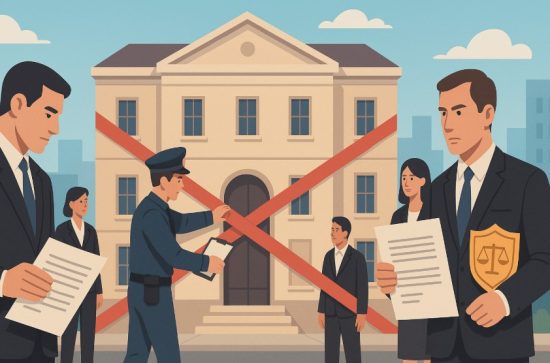
When an education centre is found operating without a valid license, UAE authorities act swiftly to enforce the law. These actions are multi-faceted, involving legal, administrative, and technological measures to prevent future violations and protect the public.
Some of the key actions include:
- Immediate closure of the unlicensed centre
- Fines imposed based on the severity and nature of violations
- Referral to the Public Prosecution for legal proceedings
- Blocking of websites and social media accounts used for promotion
- Public warnings issued through media to alert the community
Investigations often reveal deeper problems such as unapproved staffing, unsafe facilities, and fraudulent certifications. In response, ministries collaborate to remove the centre’s online presence, halt all business operations, and begin criminal proceedings if necessary.
These measures not only penalize the offending institution but also serve as a deterrent to others who may consider bypassing the legal framework. Authorities remain committed to tracking repeat offenders and strengthening enforcement tools as needed.
How Can You Verify If an Education Centre Is Licensed?
Before enrolling in any course or institution in the UAE, it’s crucial to verify its licensing status. Fortunately, the government has made it easy for the public to confirm whether an education centre is operating legally.
Steps you can take include:
- Visiting the official Ministry of Higher Education website (www.mohesr.gov.ae)
- Using the Customer Happiness Centre hotline at 800511
- Checking the institution’s listed accreditation and license number
- Ensuring programs are recognized by the Ministry of Education or KHDA (Knowledge and Human Development Authority, in Dubai)
Be cautious of institutions that advertise aggressively online without providing clear licensing information. A legitimate centre will always offer transparency about its credentials, accreditations, and affiliations with local authorities.
Additionally, never hesitate to ask for proof of approval or cross-check the name of the center through official portals. This extra step can save you from falling into an unrecognized or fraudulent education trap.
What Are the Penalties for Running or Joining Unlicensed Institutions?
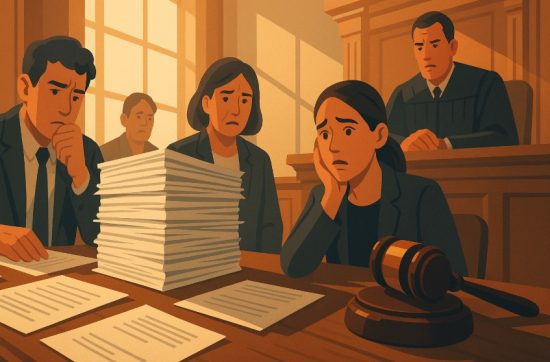
Both operators and participants of unlicensed education centers can face serious penalties under UAE law. For centre owners, the consequences begin with substantial financial fines, which vary based on the nature and duration of the offense. In severe cases, these institutions are permanently shut down, and legal proceedings are initiated against their management.
The Ministry of Higher Education and Scientific Research refers such cases to the Public Prosecution, which may charge individuals for unauthorized commercial activity, misleading the public, and issuing fake certifications. These charges can lead to criminal records and imprisonment.
For students, joining an unlicensed institution often results in their certificates being invalidated. This has long-term impacts, including the inability to transfer credits, apply for jobs, or continue studies in accredited institutions. That’s why it’s vital for learners to take the time to verify legitimacy before enrolling in any education center within the UAE.
Why Is Licensing So Important in UAE’s Education Sector?
Licensing plays a critical role in upholding the standards, safety, and quality of the UAE’s educational ecosystem. It ensures that all institutions operate under strict regulations and that their programs meet the country’s national benchmarks. For students, it means receiving credible education from qualified professionals in safe, well-equipped environments.
Accredited institutions are regularly inspected for compliance, curriculum relevance, and instructor qualifications. This not only builds trust in the educational system but also safeguards students from being exploited by illegitimate providers.
Furthermore, licensing reinforces the UAE’s reputation as a global education hub. Whether in higher education, vocational training, or early childhood learning, maintaining high standards is essential to ensure that all learners have access to quality and recognized education across the Emirates.
What Should You Do If You Suspect an Unlicensed Education Centre?
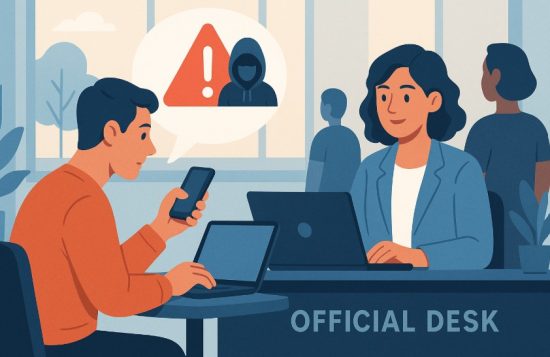
If you suspect an institution is operating without a valid license, it’s essential to report it to the appropriate authorities immediately. Taking timely action can protect others from falling victim to the same situation.
Here’s what you can do:
- Contact the Ministry of Higher Education and Scientific Research via their official website
- Call the Customer Happiness Centre at 800511
- Submit a report to the Ministry of Education or MOHRE based on the nature of the violation
- Provide details like the centre’s name, location, promotional materials, and online links
- Encourage others to report any similar suspicions
Do not engage further with the suspected centre once doubts arise. Sharing your concerns with friends, parents, or colleagues can prevent more people from being affected. Authorities treat such reports seriously and take swift action when enough evidence is presented.
Summary of Violations, Authorities Involved & Actions Taken
The table below summarizes the major types of violations, the responsible authorities, and the enforcement actions typically taken in these cases.
Institutions that operate outside of the legal framework often engage in multiple violations at once, prompting coordinated efforts among government agencies. Each authority plays a distinct role in investigating, enforcing, and protecting the public.
| Violation Type | Responsible Authority | Action Taken |
| Unlicensed educational programs | Ministry of Higher Education | Centre closed, owners referred to Public Prosecution |
| Promotion of unaccredited courses | MOHRE, TDRA | Digital platforms blocked, fines imposed |
| Employment of unlicensed teachers | MOHRE | Employment suspension, legal penalties |
| Safety breaches in institutions | DED, MOHRE | Site shutdown, compliance inspections |
| Unlicensed nursery operations | Ministry of Education, DED | Nursery closed, operators prosecuted |
This collaborative system is critical in ensuring that every learner in the UAE receives safe, legitimate, and quality education.
Stay Informed, Stay Safe in UAE’s Education Landscape

Awareness is your first defense against unlicensed education centres. As more enforcement actions are being taken, it’s clear the government is committed to cleaning up the sector. But as a parent, student, or employee, you also have a role to play.
Do your homework before enrolling in any program. Ask questions, verify credentials, and stay informed about the institutions around you. Knowledge is power, and when it comes to education, that power can protect your future.
With more oversight, proactive governance, and community engagement, the UAE continues to strengthen its education system, ensuring trust and excellence remain at its core.
Conclusion
Unlicensed education centre violations are not just administrative errors, they represent real threats to student success, safety, and national educational credibility. From offering fake degrees to putting learners in unsafe environments, these illegal operations harm everyone involved. The UAE’s government, through coordinated oversight and strong legal actions, is tackling this issue with urgency.
As a prospective student or concerned parent, taking a few moments to verify an institution’s credentials can protect you from irreversible damage.
Stay alert, report suspicious activities, and rely on official platforms to make informed educational decisions. In the UAE, quality education is not just a promise; it is a priority supported by strong regulatory action.
FAQs
How can you check if a training center is licensed in UAE?
You can verify a center’s license through the Ministry of Higher Education’s website or by calling 800511.
What does it mean when a program is unaccredited in the UAE?
It means the program is not officially approved and recognized by UAE authorities, making any certificate it offers invalid.
Can students get refunds from shut-down unlicensed centres?
Refunds are not guaranteed but may be pursued legally depending on the circumstances and consumer protection laws.
What legal consequences do operators face for education violations?
They can face heavy fines, prosecution, and permanent closure of their institutions.
Are online-only education centres also regulated in the UAE?
Yes, all institutions, including online ones, must be licensed and monitored by regulatory authorities.
How often do UAE authorities inspect education centres?
Inspections are conducted regularly and can also occur based on complaints or suspicions.
What should parents look for before enrolling their children?
Parents should look for licensing details, accreditation status, and official approval from educational authorities.