Living in Dubai brings many advantages, from world-class infrastructure to luxurious living spaces. However, part of settling into life here includes understanding your monthly utility responsibilities, especially your DEWA bill. Whether you own property or rent an apartment, keeping tabs on your water and electricity usage is essential to avoid high expenses.
The Dubai Electricity and Water Authority (DEWA) provides a seamless online service for bill management, allowing you to track, check, and pay your bills effortlessly from the comfort of your home.
This guide breaks down everything you need to know about checking your DEWA bill online in the UAE. From understanding the bill’s components to learning how to resolve common issues, we’ll walk you through each step in a clear and helpful way so you can manage your utilities like a pro and avoid unnecessary costs.
What Is a DEWA Bill and Why Is It Important in Dubai?
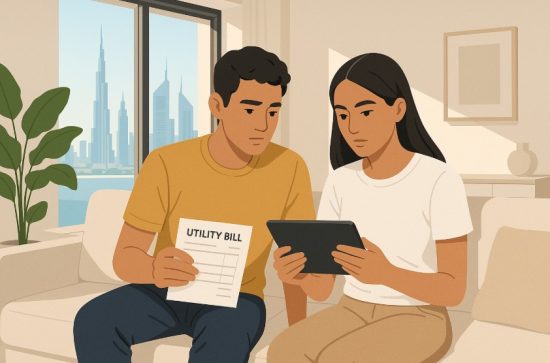
Your DEWA bill is more than just a monthly payment. It is a detailed summary of your water and electricity consumption, along with additional government-related charges.
Managed by the Dubai Electricity and Water Authority, this bill ensures your property remains connected to the essential utilities that make daily life comfortable. Whether you are a tenant or a homeowner, having an active DEWA account is a basic requirement for living in Dubai.
The importance of the DEWA bill lies not just in utility access but also in ensuring compliance with local regulations. It reflects your account number, usage data, service charges, and any relevant taxes or fees. In today’s digital age, DEWA has shifted to a smart living system that promotes sustainability by emailing bills instead of mailing physical copies.
Failing to manage your DEWA bill can result in disconnection of services or legal issues, especially for tenants. This makes it essential for every resident to understand, track, and pay the bill on time. In a city driven by technology, being aware of your DEWA bill is part of responsible and sustainable living.
What Does a Typical DEWA Bill Include?
A DEWA bill may look complex at first glance, but once you break it down, it becomes easier to manage. The bill is typically divided into three main sections across three pages, each detailing various components related to your utility consumption and related fees.
The first page of the bill contains basic information including:
- Invoice date and billing period
- DEWA VAT number
- DEWA account number and type
- Property type and property number
- Housing fees charged by Dubai Municipality
- Summary of electricity and water usage charges
- Outstanding previous amount and service adjustments
Moving on to the second page, the focus shifts to your electricity consumption.
This part outlines the different consumption slabs and applicable rates such as:
| Electricity Consumption (kWh) | Rate (per kWh) |
|---|---|
| 0 to 2000 kWh | 23 fils |
| 2001 to 4000 kWh | 28 fils |
| 4001 to 6000 kWh | 32 fils |
| 6001 kWh and above | 38 fils |
The third page of the bill is dedicated to water consumption.
Residential water charges usually include:
| Water Consumption (Imperial Gallons) | Rate (per Gallon) |
|---|---|
| 0 to 6000 gallons | 3.5 fils |
| 6001 to 12000 gallons | 4 fils |
| Over 12000 gallons | 4.6 fils |
Additionally, there is a fuel surcharge added to both water and electricity charges. Understanding each section of your bill helps you detect any discrepancies and better manage your monthly utilities.
How Can You Check Your DEWA Bill Online?
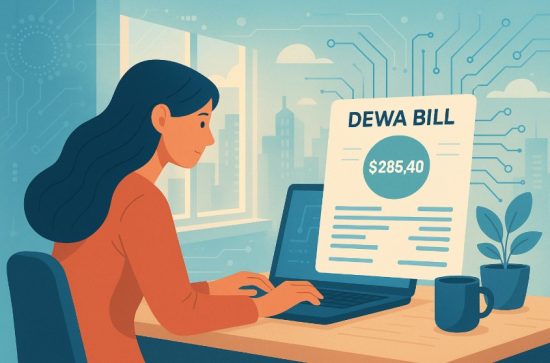
Checking your DEWA bill online is designed to be quick and user-friendly. DEWA’s digital services allow you to access your utility details anytime, without needing to visit an office. Whether you are on a desktop or using your phone, you can review your monthly charges easily.
To check your bill online, follow these simple steps:
- Visit the official DEWA website and go to the login section
- Enter your DEWA account credentials. If you’re new, create a DEWA online account
- Once logged in, navigate to the “Pay Your Bill” section
- Here, you’ll find details of your current and past bills
- You can download, view or print the bills as needed
Another method is using the DEWA Smart App. This app offers a convenient way to check your usage, download bills, and receive notifications. You can also use the Dubai Now App, which consolidates various government services into one platform, including DEWA bill enquiries.
For people without internet access, many bank apps in the UAE also allow DEWA bill viewing and payments, but having a DEWA online account remains the easiest and most versatile method. Whether you’re at home or traveling, staying informed about your DEWA bill is now just a few taps away.
What Are Common Issues with Your DEWA Bill?
While DEWA’s system is highly efficient, users may sometimes face issues with their utility bills that require attention. These problems can range from unexpected charges to account-related errors that may go unnoticed if not checked regularly.
Some of the most common issues include:
- High charges that don’t align with expected usage
- Incorrect meter readings causing inflated bills
- Delays in bill delivery due to outdated contact details
- Extra service charges such as moving-in fees or municipal housing fees
- Tariff mismatches based on incorrect property classification
- System errors in billing cycles or payment processing
Resolving these issues usually involves logging into your DEWA account and reviewing your usage history. If discrepancies remain, DEWA’s customer care is available to raise formal complaints and initiate inspections or adjustments.
To avoid such situations, always ensure your DEWA account details are updated, and monitor your bill monthly. Early detection and quick action can prevent service disruptions or financial penalties. Keep records of previous bills to track changes and highlight anomalies. Staying proactive will help maintain a smooth utility experience.
Why Are My DEWA Charges So High?
If you’ve noticed a sudden increase in your DEWA charges, you’re not alone. Many residents experience unexpectedly high bills at some point, often without a clear explanation. However, several legitimate reasons can explain such spikes, and understanding them is the first step to managing your utility costs more effectively.
One of the main causes is seasonal changes, particularly during the hot summer months when air conditioning is used extensively. This alone can lead to a noticeable jump in electricity consumption.
Undetected water leaks are another silent culprit. Even small, constant leaks from taps or toilets can significantly increase your water usage over the course of a month. Faulty or aging appliances can also consume more power than usual. Items like old refrigerators, water heaters, or washing machines may not operate efficiently, leading to inflated electricity bills.
You might also be paying more due to:
- Leaving appliances on standby
- Using high-energy devices during peak hours
- Frequent laundry or dishwasher cycles
- Long shower times or unregulated water flow
In some cases, your tariff may not match your actual property usage type, such as being charged commercial rates instead of residential. If your DEWA bill seems unusually high, log in to your account and review your usage statistics. Compare with past bills and examine any drastic changes.
You can also utilize DEWA’s “Smart Living” dashboard to track real-time usage and set consumption limits. Taking these steps early helps prevent recurring surprises and encourages responsible utility use. Reducing your DEWA charges often starts with small, mindful adjustments at home.
How to Resolve Billing Errors or Overcharges?
Billing errors happen rarely, but when they do, it’s important to act quickly. Start by comparing your current bill with previous months and look for unexpected increases. If your meter reading looks incorrect or charges don’t match your usual pattern, contact DEWA’s customer care through your online account or by phone.
You can also submit a complaint with supporting documents, such as previous bills or photographs of your meter reading. DEWA will then investigate and conduct a meter inspection if needed. Keep all communication records and follow up regularly until the issue is resolved.
What Happens If You Don’t Pay Your DEWA Bill?
Failing to pay your DEWA bill on time can lead to serious consequences. If your bill remains unpaid after 14 days from the due date, DEWA may disconnect your water and electricity supply without further notice. This could lead to extra reconnection charges and even legal complications, especially for tenants.
To avoid this, always pay your DEWA bill on or before the due date. You can also set reminders or enable auto-pay options through your bank or DEWA’s platform to ensure continuous service without penalties.
How Do You Pay a DEWA Bill Online?
Paying your DEWA bill online is quick and secure, offering multiple methods to suit your preference. Once you’ve reviewed your bill, you can proceed with payment using DEWA’s user-friendly digital systems.
To pay through the DEWA website:
- Log in to your DEWA account using your credentials
- Head to the “Pay Your Bill” section
- Select the bill and choose your payment method
- Confirm the transaction details and complete the payment
- An e-receipt will be generated for your records
You can also use the DEWA Smart App, which allows users to pay directly using a credit card or a debit card. It’s ideal for those who prefer mobile access and also provides real-time usage insights.
The Dubai Now App is another all-in-one tool for making government-related payments, including DEWA bills. Additionally, leading UAE banks such as Emirates NBD, Mashreq, and Dubai Islamic Bank integrate DEWA payments into their online banking platforms. Users can pay their bills directly without logging into DEWA.
These options provide flexibility and ensure you can pay your utility bill without delays, even if you’re traveling. Just make sure you have access to your DEWA account number and payment method. Keeping a record of your paid receipts is helpful for reference and disputes.
How Can You Reduce Your DEWA Bill Charges?
Reducing your DEWA bill doesn’t require drastic changes. With a few mindful habits and efficient appliances, you can significantly cut down on both water and electricity usage without compromising comfort.
Start with managing energy during peak hours (12 PM to 6 PM). Use heavy appliances like washing machines and ovens outside this period to lower energy charges.
You can also reduce electricity usage by:
- Switching off unused lights and electronics
- Replacing bulbs with energy-saving LEDs
- Setting your air conditioning at 24°C or higher
- Using a programmable thermostat for efficient cooling
When it comes to water, small steps make a difference:
- Fix leaking taps and toilets
- Install low-flow showerheads
- Turn off taps while brushing or doing dishes
Air conditioners consume a large portion of energy. Keep curtains drawn during the day to reduce heat and reduce the need for constant cooling. Dry clothes naturally instead of using electric dryers whenever possible.
Also, unplugging electronics when not in use prevents unnecessary standby power consumption. These small changes, when followed consistently, can reduce your monthly DEWA bill and promote a more sustainable lifestyle in Dubai.
Conclusion
Managing your DEWA bill in Dubai is not just about paying your dues, but understanding what you’re being charged for and using resources wisely. With the DEWA online system, it’s easier than ever to check, pay, and monitor your utility consumption without any hassle.
Whether it’s reducing usage during peak hours or switching to energy-efficient appliances, small changes can lead to big savings. By staying informed and proactive, you can avoid unexpected costs, disputes, or service interruptions.
DEWA’s digital platform puts the power in your hands, allowing you to take control of your water and electricity expenses effortlessly. Now that you know how to check and manage your DEWA bill online, you’re better equipped to handle your monthly utilities with confidence and efficiency.
FAQs
How do I create a DEWA account for online bill access?
You can create an account on the DEWA website by using your Emirates ID, mobile number, and a valid email address. Once registered, you’ll get access to your billing information and usage.
Can I check past DEWA bills online?
Yes, the DEWA portal allows you to view and download historical bills under your account’s billing history section. You can access bills from previous months for comparison or recordkeeping.
How do I correct a wrong DEWA bill?
You can raise a complaint through DEWA’s customer service with your account details and the bill in question. They may conduct a meter reading inspection or billing review to fix the error.
What should I do if I didn’t receive my DEWA bill?
If your bill doesn’t arrive via email, log into your DEWA account to check it online. Make sure your contact details are updated to avoid missing future bills.
Can I pay my DEWA bill using a credit card?
Yes, DEWA accepts payments via credit and debit cards on its website, app, and through partner bank portals. Payment receipts are provided immediately after confirmation.
What is the Dubai Municipality housing fee in the DEWA bill?
The housing fee is a mandatory charge added to your DEWA bill and calculated as a percentage of your annual rent or property value. It is paid monthly by all residents.
Can tenants dispute DEWA charges?
Tenants can dispute charges by contacting DEWA customer care and providing proof, such as tenancy contracts or old bills. It’s important to act promptly before additional fees apply.