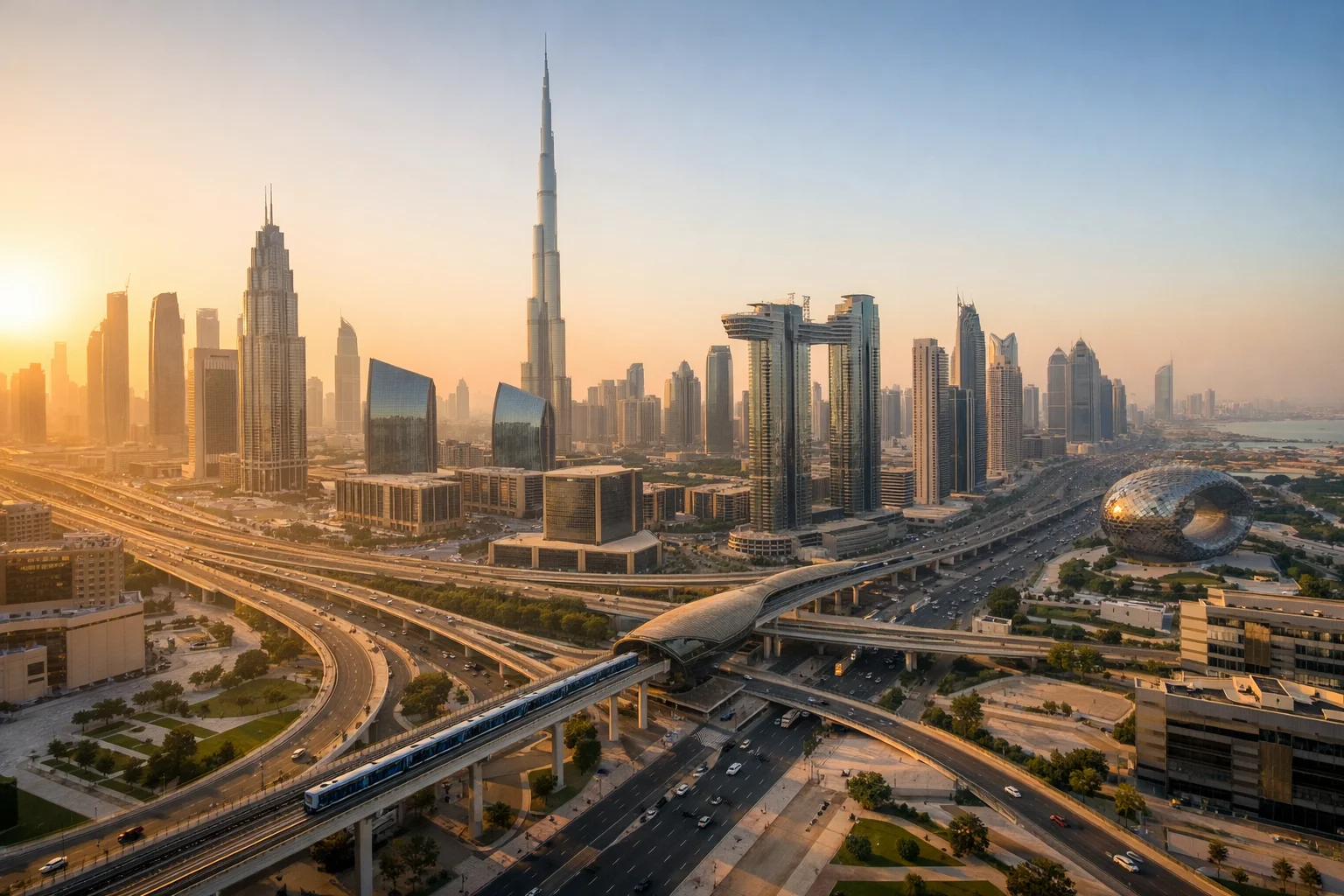
The Dubai Loop project is a next generation underground transport system designed to move over 13,000 passengers daily through high density areas of Dubai using advanced tunnel technology.
Announced at the World Governments Summit and developed in partnership with Dubai RTA and Elon Musk’s The Boring Company, the project aims to reduce congestion while improving travel efficiency across key commercial zones.
Key takeaways:
- Underground tunnel transport connecting DIFC and Dubai Mall
- Phase one capacity of 13,000 passengers per day
- Faster and more cost effective than traditional metro systems
- Designed as a scalable solution for future urban mobility
The Dubai Loop project represents a strategic step toward smarter and more sustainable commuting in the UAE.
What Is the Dubai Loop Project?
The Dubai Loop project is an underground passenger transport initiative developed to address growing congestion and travel delays in Dubai’s busiest districts. It is built on tunnel based mobility technology pioneered by The Boring Company and adapted to meet Dubai’s urban infrastructure requirements.
The system enables vehicles to travel underground through dedicated tunnels, offering direct point to point journeys without intermediate stops. Unlike conventional rail systems, the Dubai Loop project focuses on flexibility, speed, and cost efficiency.
The tunnels are designed exclusively for vehicle transport, allowing electric cars to operate within a controlled underground environment. This approach supports seamless first mile and last mile connectivity between major business, residential, and tourism hubs.
The project reflects Dubai’s broader vision for smart transportation and innovation led infrastructure. Officials from the Roads and Transport Authority have described it as an iconic addition to the city’s mobility ecosystem.
By linking critical zones such as financial districts and retail landmarks, the Dubai Loop project aims to redefine how residents and visitors move across the city efficiently and sustainably.
Who Is Behind the Dubai Loop?
The Dubai Loop project is the result of a strategic partnership between Dubai’s Roads and Transport Authority and the US based infrastructure firm The Boring Company.
The collaboration was formalized during the World Governments Summit, with senior officials from both sides confirming their commitment to implementation and long term expansion.
The Boring Company was founded to develop faster and more affordable tunneling solutions for urban transport challenges. Its technology has already been deployed in the United States, most notably in Las Vegas, where a similar loop system has transported millions of passengers. Dubai is the second city globally to adopt this system at scale.
Dubai RTA plays a central role in planning, regulation, and integration with the wider transport network. The authority has conducted extensive feasibility studies, provided geotechnical data, and coordinated with multiple government entities to prepare for construction.
Leadership from both organizations has emphasized that the Dubai Loop project aligns with national goals for innovation, sustainability, and improved quality of life for residents and visitors alike.
Where Will the Dubai Loop Operate?
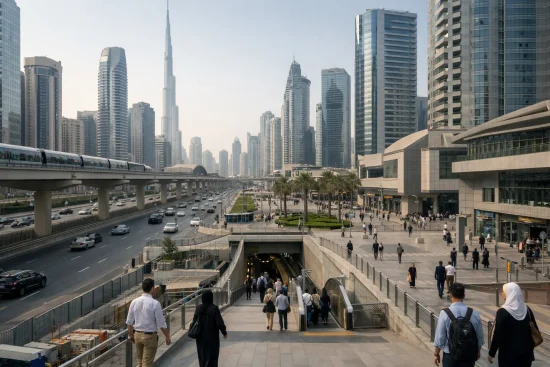
The Dubai Loop project is planned as a phased underground network connecting some of the city’s most active and densely populated areas. The first phase has been carefully selected to demonstrate efficiency, demand, and scalability before expanding across a wider corridor.
The initial rollout focuses on a pilot route that links two of Dubai’s most important destinations. This phase is intended to validate the system while delivering immediate mobility benefits.
Overview of Phase 1 Route: DIFC to Dubai Mall
The first phase of the Dubai Loop project covers a distance of 6.4 kilometers and includes four stations. It connects the Dubai International Financial Centre with the Dubai Mall, passing through high demand commercial and tourism zones.
This route is designed to significantly reduce travel time between these locations, cutting journeys that currently take around twenty minutes down to just a few minutes.
Key characteristics of Phase 1 include:
- Four strategically placed stations
- Underground tunnels dedicated to vehicle transport
- Designed capacity of approximately 13,000 passengers per day
- Integration with surrounding surface transport options
Full Project Route: 22.5 Kilometers with 19 Stations
Following the pilot phase, the Dubai Loop project will expand into a full network spanning approximately 22.5 kilometers. The complete alignment will include 19 stations and connect a wider range of commercial and residential districts. This expansion is expected to serve up to 30,000 passengers per day once fully operational.
Key Areas Connected:
The expanded Dubai Loop network will link
- Dubai World Trade Centre
- Business Bay
- The financial district
- High-density residential and commercial zones
Comparison Table: Phase 1 vs Full Route
Feature Phase 1 Full Route
Length 6.4 km 22.5 km
Stations 4 19
Daily Capacity 13,000 passengers 30,000 passengers
Estimated Cost Dh565 to Dh600 million Up to Dh2.5 billion
Completion Period 1 to 2 years Around 3 years
This phased approach ensures controlled implementation while supporting long term growth of the Dubai Loop project.
How Many Passengers Will the Dubai Loop Serve?
Passenger capacity is a defining feature of the Dubai Loop project. From the outset, the system has been designed to serve high volumes of daily commuters while maintaining speed and reliability. The pilot phase alone is expected to accommodate around 13,000 passengers every day.
This capacity directly addresses peak hour congestion in some of Dubai’s busiest corridors. By offering direct underground travel, the system reduces pressure on surface roads and complements existing public transport options.
Key capacity highlights include:
- Phase one is designed for 13,000 daily passengers
- Full network projected to serve up to 30,000 passengers per day
- Optimized for high-frequency short-distance travel
- Supports both residents and visitors in commercial zones
Officials have noted that the Dubai Loop project is particularly effective in solving first-mile and last-mile challenges. Connecting key destinations directly, it reduces the need for multiple transport changes and improves overall journey reliability for daily commuters.
How Will the Tunneling Technology Work?
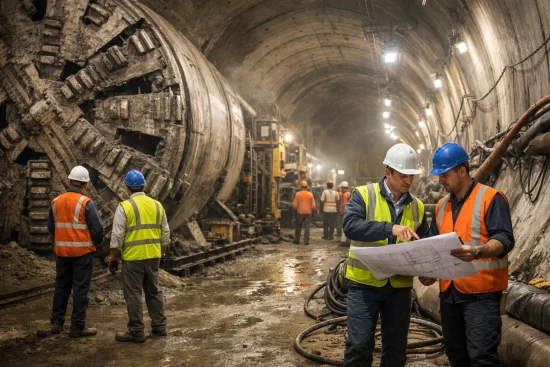
The Dubai Loop project relies on advanced tunneling technology developed by The Boring Company. The tunnels have a diameter of 3.6 meters and are specifically engineered for vehicle transport rather than traditional rail systems. This design allows for faster construction and lower overall costs.
One of the defining features of the technology is the gradual descent method used during excavation. Instead of steep entry points, tunnels slope smoothly underground before continuing in straight alignments. This approach improves construction efficiency and minimizes disruption to existing roads and utilities.
The system supports electric vehicles operating within a controlled underground environment. This contributes to reduced emissions and aligns with Dubai’s sustainability goals. Compared to conventional metro tunnels, the Dubai Loop project benefits from faster delivery timelines and significantly lower excavation costs per kilometer.
What Is the Construction Timeline for the Dubai Loop?
The construction timeline for the Dubai Loop project has been structured to balance speed with careful planning and regulatory approvals. Agreements between Dubai RTA and The Boring Company were signed following extensive studies and technical evaluations.
Current expectations indicate that:
- Phase one construction will begin following final design and permit approvals
- The pilot route is expected to be completed within one to two years
- Full network implementation is projected to take around three years
Key milestones include:
- Design finalization and mobilization activities
- Approval of permits and no objection certificates
- Commencement of tunneling works
- Operational launch of the pilot phase
Authorities have also indicated that later phases may be accelerated depending on the progress and performance of the initial route. This flexible timeline ensures the Dubai Loop project can adapt to demand while maintaining quality and safety standards.
How Much Will the Dubai Loop Project Cost?

Cost efficiency is a major advantage of the Dubai Loop project when compared to traditional underground transport systems. The initial phase is estimated to require an investment of approximately Dh565 to Dh600 million. This covers tunnel construction, stations, and supporting infrastructure.
The full project, once expanded to its complete 22.5-kilometer alignment, is estimated to cost up to Dh2.5 billion. Despite this scale, the cost per kilometer remains significantly lower than conventional metro tunneling methods.
Key financial insights include:
- Average tunneling cost of around Dh70 million per kilometer
- Traditional metro tunnels can cost nearly double per kilometer
- Competitive pricing expected for passenger use
Dubai RTA has emphasized that the pricing model for commuters will remain competitive with other transport options. This focus on affordability ensures that the Dubai Loop project remains accessible while delivering long-term economic value to the city.
How Will the Dubai Loop Impact Daily Commuting?
The Dubai Loop project is expected to transform daily commuting patterns in some of the city’s most congested areas. Shifting a significant portion of short-distance travel underground, it helps reduce surface traffic and improve overall mobility efficiency.
Commuters will benefit from:
- Shorter travel times between major destinations
- Reliable journeys unaffected by weather or surface congestion
- Seamless first-mile and last-mile connectivity
The system also supports Dubai’s broader transport ecosystem by integrating with existing roads and transit networks. For business professionals, tourists, and residents, the Dubai Loop project offers a predictable and comfortable alternative to traditional commuting methods. Over time, this improvement in travel experience is expected to enhance productivity and quality of life across connected districts.
What Makes the Dubai Loop a Global Model for Smart Transport?
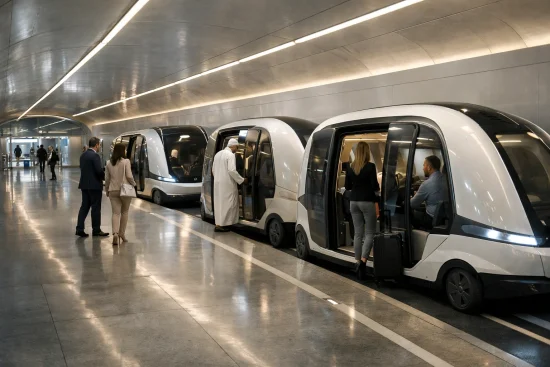
The Dubai Loop project positions the city as a global leader in adopting innovative urban mobility solutions. As only the second city worldwide to implement this technology, Dubai demonstrates its willingness to embrace advanced infrastructure ahead of many global peers.
Key factors that make the project globally significant include:
- Strategic partnership with a leading tunneling technology company
- Integration of sustainability and efficiency into urban planning
- Scalable design suitable for future expansion
The project aligns closely with Dubai’s smart city vision and long term economic growth plans. By focusing on efficiency, affordability, and innovation, the Dubai Loop project sets a benchmark for how rapidly growing cities can address mobility challenges through forward thinking solutions.
Conclusion
The Dubai Loop project represents a major step forward in the evolution of urban transportation within the UAE. By combining advanced tunneling technology with strategic planning, the project delivers a fast, efficient, and sustainable solution to growing mobility demands. Its phased implementation allows Dubai to address immediate congestion challenges while building a foundation for future expansion.
With strong backing from Dubai RTA and The Boring Company, the Dubai Loop project reflects the city’s commitment to innovation and quality of life.
As construction progresses, it is expected to become a defining feature of Dubai’s transport landscape and a reference point for smart mobility worldwide.
FAQs
What is the Dubai Loop project designed to achieve?
The Dubai Loop project aims to reduce congestion and improve travel efficiency through underground vehicle tunnels. It focuses on fast and direct connections between high density areas.
Who is building the Dubai Loop tunnels?
The tunnels are being developed by The Boring Company in partnership with Dubai Roads and Transport Authority. Both organizations oversee planning and execution.
How fast will travel be on the Dubai Loop?
Travel times are expected to be significantly shorter than surface routes. For example, trips between DIFC and Dubai Mall may take only a few minutes.
When will the first phase be completed?
The pilot phase is expected to be completed within one to two years after construction begins. Timelines may adjust based on progress.
How many passengers can the Dubai Loop serve daily?
The first phase is designed for around 13,000 passengers per day. The full network could serve up to 30,000 daily passengers.
Is the Dubai Loop environmentally friendly?
Yes, the system supports electric vehicles and reduces surface traffic congestion. This contributes to lower emissions and sustainable mobility.
How is the Dubai Loop different from the Dubai Metro?
The Dubai Loop uses vehicle based underground tunnels rather than trains. It offers direct point to point travel with lower construction costs.