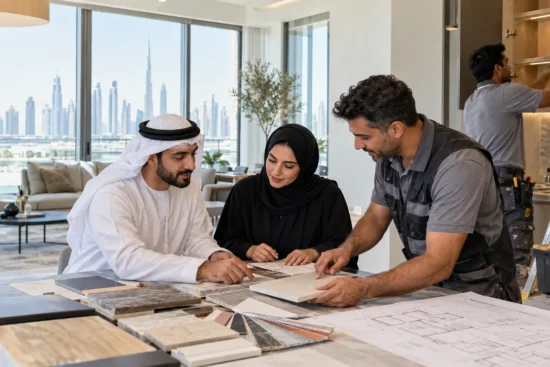
Dubai Land Department eases property investment residency rules for owners by removing the minimum property value requirement for sole investors, making it significantly easier to obtain a 2-year residency visa through real estate. This change allows more people to qualify for residency without needing to invest large amounts, while still maintaining structured rules for joint ownership.
Key takeaways:
- No minimum property value required for sole owners
- AED 400,000 minimum share per investor for joint ownership
- Applies to completed properties in Dubai only
- Simplified and more accessible visa eligibility
- Aimed at attracting a broader range of investors
This update reflects Dubai’s strategic move to make property investment more inclusive while strengthening its position as a global real estate hub.
What Are the Latest Changes to Dubai’s Property Investor Residency Visa Rules?

Dubai has introduced significant updates to its property-linked residency visa framework, focusing on accessibility and flexibility. The most notable change is the removal of the previous AED 750,000 minimum property value requirement for sole property owners. This means individuals who fully own a property in Dubai can now apply for a 2-year residency visa regardless of the property’s price.
At the same time, rules for jointly owned properties have been clearly defined. Each investor must hold a minimum share value of AED 400,000 to qualify, ensuring fairness and transparency in shared ownership arrangements.
The updated regulations apply only to completed properties located within Dubai and are managed through the Dubai Land Department’s Cube platform. These changes are part of a broader effort to simplify processes, attract a wider investor base, and align residency benefits with real estate ownership in a more practical way.
Why Did Dubai Remove the Minimum Property Value Requirement for Residency?
Dubai’s decision to remove the minimum property value requirement reflects a strategic shift toward inclusivity and long-term market growth. Previously, the AED 750,000 threshold limited access to residency benefits for many potential investors, especially those interested in smaller or entry-level properties.
By removing this barrier, Dubai aims to create a more investor-friendly environment while supporting sustainable demand across different property segments.
Key reasons behind this move include:
- Expanding access to residency for mid-income and first-time investors
- Encouraging investment in emerging areas such as Dubai South and JVC
- Aligning real estate policies with broader UAE economic diversification goals
- Enhancing Dubai’s competitiveness in the global property market
- Bridging the gap between property ownership and practical residency benefits
Industry experts have highlighted the importance of this shift. As noted by Porush Jhunjhunwala, CEO of Banke International Properties, this change addresses a long-standing disconnect in the market.
He said,
“Many buyers were active in the market but not eligible for residency benefits, which resulted in a clear gap between the investment value and the end-use value. With that gap now closed, for many investors, a residency visa with a lower ticket purchase adds an extra layer of utility beyond returns. It improves the usability of the investment, not just the profitability.”
This policy change is not about encouraging low-value investments but about enabling smarter, more accessible participation in Dubai’s real estate sector.
Who Is Eligible for the Dubai Property Investor Visa Under the New Rules?

The updated eligibility criteria for Dubai’s property investor visa have become more flexible while still maintaining clear ownership and documentation standards. These rules apply to individuals who own completed properties in Dubai and meet specific ownership conditions.
Can Sole Property Owners Qualify Without a Minimum Investment?
Yes, sole property owners can now qualify without any minimum investment threshold. This is one of the most significant changes introduced by the Dubai Land Department.
To be eligible, the applicant must:
- Be the full owner of the property
- Hold a valid title deed issued in Dubai
- Ensure the property is completed and not under construction
This change opens the door for investors purchasing studio apartments or smaller residential units to access residency benefits. It also supports individuals who prioritize affordability and long-term living over high-value investments.
What Are the Rules for Joint Property Owners?
For jointly owned properties, eligibility depends on the value of each investor’s share rather than the total property value. Each co-owner must have a minimum ownership stake of AED 400,000.
This applies to:
- Business partners investing together
- Family members sharing ownership
- Married couples purchasing jointly
Ownership distribution can be equal or unequal, but documentation must clearly reflect each investor’s share. In some cases, additional verification, such as marriage certificates, may be required when ownership is shared between spouses. This rule ensures that all applicants meet a minimum financial commitment while still allowing collaborative investment opportunities.
Are There Any Restrictions on Property Type or Location?
Yes, there are specific conditions related to property type and location that applicants must follow.
Eligible properties must:
- Be located within Dubai (not other emirates or DIFC jurisdictions)
- Be completed and ready for occupancy
- Have a valid title deed issued by Dubai authorities
If the property is mortgaged or purchased through a payment plan, applicants must provide supporting documents such as a No Objection Certificate (NOC) from the bank or developer, along with proof of payments made.
These requirements ensure transparency and confirm that the investment is legitimate and financially substantial, even without a fixed minimum property value.
What Documents Are Required to Apply for a Property-Based Residency Visa in Dubai?
Applying for a property-based residency visa in Dubai requires submitting a set of verified documents to confirm ownership, identity, and compliance with UAE regulations. These documents ensure that the applicant meets all legal and financial requirements under the updated rules.
The key documents include:
- Title deed of the property issued in Dubai
- Passport copy with at least six months validity
- Emirates ID (if previously issued)
- Health insurance from a UAE-approved provider
- Certificate of good conduct issued by Dubai Police
- High-quality passport-sized photograph meeting official guidelines
Additional documents may be required depending on the property status:
- No Objection Certificate (NOC) from the bank if the property is mortgaged
- Payment statement from the developer if purchased through instalments
- Proof that a significant portion of the property value has been paid
Applicants from certain countries may also need to submit a national ID. All documents must match the applicant’s name exactly to avoid delays. These requirements are designed to ensure transparency while maintaining a smooth and efficient application process.
How Does the Application Process for a 2-Year Property Investor Visa Work?
The application process for a 2-year property investor visa in Dubai is structured to be efficient and user-friendly, especially after recent updates. It is primarily managed through the Dubai Land Department’s Cube platform.
The process typically involves the following steps:
- Submission of the application along with the required documents
- Initial verification and approval by the relevant authorities
- Medical fitness test conducted in the UAE
- Emirates ID application and biometric registration
- Final residency visa stamping in the passport
The process is generally faster compared to other visa types, making it an attractive option for property investors. Health insurance is mandatory at the time of application, and all approvals depend on document accuracy and compliance.
In line with recent updates, authorities have focused on reducing complexity and improving processing timelines, ensuring that eligible investors can obtain residency with minimal delays.
What Benefits Do Property Owners Get from Dubai’s Residency Visa?

Dubai’s property investor residency visa offers a range of practical and financial benefits, making it more than just a legal status. It provides investors with opportunities to live, work, and engage in the UAE’s dynamic economy.
Can Investors Sponsor Family Members?
Yes, property investor visa holders can sponsor their immediate family members, including spouses and children. This benefit makes the visa especially appealing for long-term relocation plans.
Applicants must meet standard sponsorship requirements and provide supporting documents such as marriage certificates and birth certificates. Once approved, family members can reside in Dubai under the investor’s sponsorship, creating stability and convenience for households.
Can Visa Holders Work or Start a Business in Dubai?
Residency visa holders have the flexibility to explore employment and business opportunities within the UAE.
While the property visa itself does not automatically grant employment rights, holders can apply for:
- Temporary work permits
- Business or investment licenses
- Freelance or entrepreneurial opportunities
This flexibility allows investors to integrate into Dubai’s economy beyond real estate ownership.
As one industry expert explained,
“This move should eventually lead to enhanced participation from investors, but in a more informed and yield-conscious manner rather than a purely price driven decision. Buyers are being more selective, assessing rental demand, service charges and long-term livability. It reflects a shift toward smarter investment behavior.”
How Does Residency Improve Investment Value?
Residency adds a practical dimension to property ownership by increasing its usability and long-term value. Investors are no longer limited to viewing real estate purely as a financial asset.
Benefits include:
- Ability to live in the property or use it as a second home
- Greater flexibility in managing rental properties
- Improved confidence in long-term investment decisions
Market participants have noted that this change enhances both emotional and financial returns.
One investor shared,
“Having residency tied to property ownership makes the investment feel more meaningful. It is not just about returns anymore, but also about lifestyle and future planning. It gives a sense of stability that was previously missing.”
How Will These New Residency Rules Impact Dubai’s Real Estate Market?
The updated residency rules are expected to positively influence Dubai’s real estate market by increasing demand across a wider range of property segments. With the removal of the minimum investment threshold, more buyers can now enter the market, particularly in affordable housing categories such as studios and one-bedroom apartments.
This shift is likely to boost activity in emerging areas like Dubai South, JVC, and Dubailand, where properties are priced more competitively. It also encourages international investors, especially those seeking both lifestyle and financial benefits.
Overall, the changes support steady market growth, improve investor confidence, and reinforce Dubai’s position as a leading global destination for real estate investment.
What Should Property Investors Consider Before Applying Under the New Rules?

While the new rules make residency more accessible, investors should carefully evaluate their decisions before applying. Property investment in Dubai still requires a strategic approach to ensure long-term benefits.
Key considerations include:
- Assessing rental demand and potential return on investment
- Understanding service charges and maintenance costs
- Verifying property eligibility under current visa rules
- Reviewing the ownership structure, especially in joint investments
- Ensuring all documentation is accurate and complete
Investors should also focus on location and infrastructure rather than purely price-driven decisions. Well-connected areas with strong amenities tend to offer better long-term value.
It is important to approach this opportunity with informed decision-making rather than urgency. The new rules provide flexibility, but careful planning remains essential to maximize both residency and investment benefits.
Conclusion
Dubai Land Department eases property investment residency rules for owners by removing key financial barriers and making residency more accessible to a broader range of investors. This change marks a significant shift in how property ownership and residency are connected in Dubai.
By eliminating the minimum property value for sole owners and introducing clear guidelines for joint ownership, Dubai has created a more inclusive and practical system. These updates not only attract new investors but also enhance the overall value of property ownership.
As the market continues to evolve, investors who take a thoughtful and informed approach will benefit the most. The new rules provide opportunity, but success depends on choosing the right property, understanding the requirements, and aligning investment goals with long-term plans.
FAQs
What is the minimum property value required for a Dubai investor visa now?
There is no minimum property value requirement for sole property owners under the updated rules. However, joint property owners must have a minimum share of AED 400,000 each.
Can foreigners apply for a Dubai property residency visa?
Yes, foreigners can apply if they own eligible property in Dubai and meet the documentation requirements. The process is open to international investors seeking residency through real estate.
Is the Dubai property investor visa renewable?
Yes, the 2-year property investor visa is renewable as long as the ownership conditions are maintained. Applicants must continue to meet eligibility and documentation requirements at renewal.
Do off-plan properties qualify for a residency visa in Dubai?
Generally, only completed properties qualify for the residency visa under current rules. Off-plan properties may require additional conditions, such as proof of significant payment or completion status.
Can property investors live full-time in Dubai with this visa?
Yes, the residency visa allows investors to live in Dubai during its validity period. It provides legal residence but must be renewed periodically.
Is health insurance mandatory for the application?
Yes, valid health insurance from a UAE-approved provider is required for all residency visa applications. Without it, the application will not be processed.
Can multiple people invest together and still qualify for residency?
Yes, multiple investors can qualify if each holds a minimum share of AED 400,000 in the property. Ownership details must be clearly documented to meet eligibility criteria.