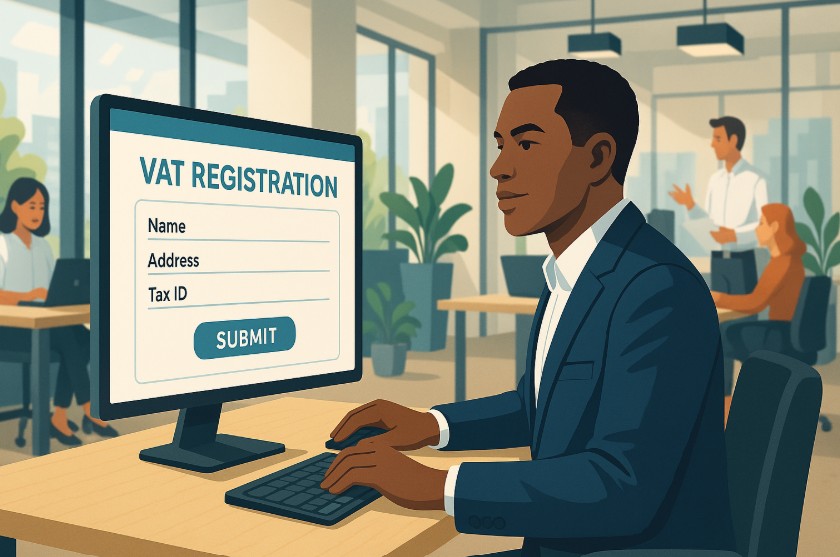
Are you unsure how to register for VAT in the UAE and want to avoid common mistakes? As a business owner or entrepreneur, getting your VAT registration right is essential to staying compliant with tax laws and avoiding costly penalties.
Since the introduction of VAT in the UAE in 2018, all eligible businesses are required to register with the authorities based on their turnover and business activities. Whether you’re just launching your business or have reached the VAT threshold, understanding the step-by-step registration process is crucial.
In this blog, you’ll learn exactly who needs to register, when and where to do it, what documents are required, and which mistakes to avoid. By the end, you’ll be equipped with everything you need to successfully register your business for VAT in the UAE and operate legally and confidently in the marketplace.
What Is VAT in the UAE?
Are you running a business in the UAE and wondering whether you need to register for VAT? Understanding VAT is essential for legal compliance and operational efficiency.
Value Added Tax (VAT) is a consumption tax levied on the sale of goods and services. Introduced in the UAE in 2018, it carries a flat rate of 5 percent. As a business, your role is to collect this tax from customers and remit it to the government. This system helps diversify national income beyond oil and enhances public services.
VAT applies at every point of the supply chain and affects nearly every business operating in the country. If your business is eligible, timely registration is both a legal obligation and a step toward transparent financial practices.
Who Needs to Register for VAT in the UAE?

Not every business is required to register, but many fall within the thresholds defined by the tax authorities. If your business meets specific financial criteria, registration becomes mandatory or optionally available.
What Is the VAT Registration Threshold?
There are two registration thresholds you should be aware of:
- Mandatory Registration: If your taxable supplies and imports exceed AED 375,000 in the past 12 months or are expected to in the next 30 days.
- Voluntary Registration: If your taxable supplies or expenses exceed AED 187,500 in the past 12 months or are expected to in the next 30 days.
Is VAT Registration Mandatory or Voluntary?
- Mandatory: You must register if you meet or exceed the mandatory threshold.
- Voluntary: You can choose to register if you fall within the voluntary threshold, which can be beneficial for claiming input tax credits and improving credibility.
Do Free Zone Businesses Need to Register?
Yes, businesses operating in designated free zones may still need to register if their taxable supplies meet the relevant thresholds. Special rules may apply depending on the nature of your operations and location.
When Should You Apply for VAT Registration?
VAT registration is time-sensitive. You should register:
- As soon as your taxable supplies or expenses cross the required threshold
- If your business anticipates crossing the threshold in the upcoming 30 days
Failure to register on time can result in administrative penalties and fines. It’s advisable to maintain clear records and monitor your financials regularly to know when you qualify.
How to Register for VAT in the UAE?

Step 1: Create an E-Portal Account
Begin by visiting the official tax portal. Click on “Sign Up” and fill in your personal and business email details. You’ll receive a confirmation email to verify your identity and activate your account.
Step 2: Access the VAT Registration Form
Once logged in, go to your dashboard and choose VAT101 – Register for VAT. This is the main form required for VAT registration.
Step 3: Fill Out Business and Financial Details
Provide accurate information in each section:
- Legal entity name (English and Arabic)
- Trade license number and issuing authority
- Financial year-end
- Business activities and sectors
- Projected income and expenses
- Customs registration information (if applicable)
Step 4: Enter Contact and Banking Details
Add your business’s contact information, including:
- Business address
- Mobile number
- Authorized signatory’s details
Next, provide your business bank account details, including IBAN, to facilitate VAT refunds.
Step 5: Declare and Submit
In the final section, review your submission and confirm the accuracy of all information. Tick the declaration box and submit the application. You will receive an acknowledgment and application number for tracking.
What Documents Do You Need for VAT Registration?
Prepare the following documents before starting your application to avoid delays:
| Document Type | Details Required |
| Trade license | Copy of the business trade license |
| Passport & Emirates ID | Of the business owner and authorized signatory |
| Proof of business address | Utility bill, tenancy contract, or property ownership |
| Bank account confirmation | IBAN letter or bank statement |
| Financial records | Turnover details for the past 12 months |
| Customs registration | If your business is involved in imports or exports |
| Articles of association (if applicable) | Legal documentation of business structure |
Ensure scanned documents are clear and in PDF format. Incomplete or incorrect documents can lead to application rejection.
What Happens After You Submit Your VAT Application?
Once your application is submitted:
- It is reviewed by the tax authority
- If approved, you will receive a Tax Registration Number (TRN)
- A VAT Certificate will be issued, which confirms your business is VAT-compliant
This certificate is essential for issuing VAT invoices, filing returns, and conducting compliant business activities in the UAE.
What Common Mistakes Should You Avoid During VAT Registration?
Avoiding common errors will save time and prevent penalties.
Here are key issues to watch for:
- Late Registration: Missing your registration deadline leads to fines
- Incorrect Financial Projections: Understating income to avoid registration can lead to audits
- Wrong Business Activity Selection: Choosing the wrong category can delay processing
- Missing Documents: Not uploading required documents results in rejection
- Bank Details Errors: Incorrect IBANs delay refunds and communication
Proactively managing these areas will streamline your VAT compliance.
How Can You Track or Amend Your VAT Records?
After registration:
- You can log in to the e-portal anytime to view your VAT profile
- Use the “VAT Amendment” section to update your records, such as business address or contact details
- All filings and certificates can be downloaded from the portal
- Any changes in the trade license or company structure must be reported promptly
Maintaining updated records is essential for compliance and reduces the risk of administrative penalties.
Conclusion
Registering for VAT in the UAE may seem daunting, but with the right steps, documentation, and timely action, the process can be seamless. Whether you’re a startup, SME, or operating within a free zone, complying with VAT regulations is critical to your business’s success and legal standing.
By understanding thresholds, preparing accurate financials, and following the correct process on the tax portal, you’re setting up your business for compliance and operational transparency. Make sure to monitor your taxable supplies regularly and avoid common mistakes to stay ahead of your obligations.
FAQs
What is a TRN and why is it important?
A Tax Registration Number (TRN) is a unique 15-digit number assigned to your business after successful VAT registration. It is required for issuing VAT invoices, filing returns, and for any official correspondence with the tax authority.
How long does it take to get VAT registered in the UAE?
The VAT registration process typically takes up to 20 business days, depending on the accuracy of your application and the volume of submissions being processed.
Can I operate my business without VAT registration?
If your taxable turnover exceeds the mandatory threshold and you haven’t registered, you’re at risk of penalties. It’s illegal to charge VAT or conduct taxable transactions without being registered.
What if my business doesn’t meet the VAT threshold?
If your annual taxable turnover is below AED 375,000, registration is not mandatory. However, if it exceeds AED 187,500, you may still choose to register voluntarily for benefits like reclaiming input VAT.
Can a freelancer or sole proprietor register for VAT?
Yes, as long as your taxable supplies or expenses meet the threshold, freelancers and sole proprietors must register just like any other business.
How often do I need to file VAT returns?
VAT returns are generally filed quarterly, although some businesses may be required to file monthly, depending on their annual turnover and tax obligations.
Can I update my VAT registration details later?
Yes, you can log into your e-portal account and make changes to your VAT registration details, such as trade license updates, address changes, or business activity amendments.