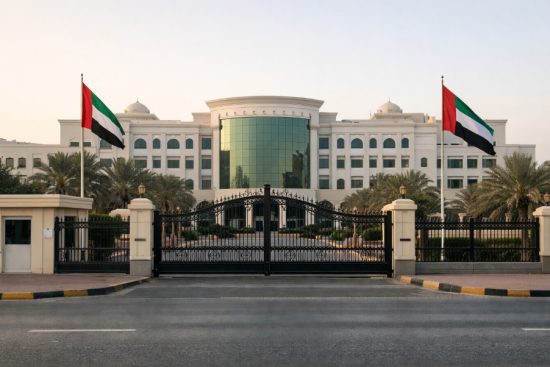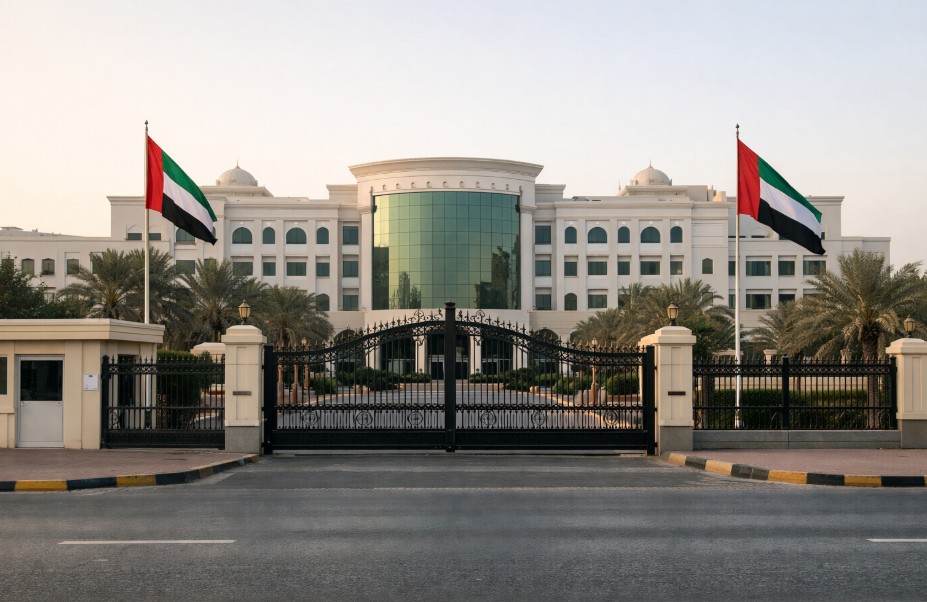
The Iranian Hospital in Dubai has officially closed in March 2026, ending more than five decades of medical service in the UAE. The shutdown is part of a wider move by UAE authorities targeting Iran-linked institutions during a period of heightened regional tensions.
Patients, staff, and residents are now facing immediate disruptions, with services halted and no confirmed reopening timeline.
Key Takeaways:
- The hospital has ceased operations and is currently inactive
- Closure is linked to broader action against Iranian institutions
- Rising geopolitical tensions played a significant role
- Patients must now seek alternative healthcare providers
- Staff face uncertainty regarding employment and residency
This development marks a major shift in Dubai’s healthcare landscape and reflects deeper geopolitical and regulatory changes.
Is the Iranian Hospital in Dubai Closed and What Is Its Current Status?
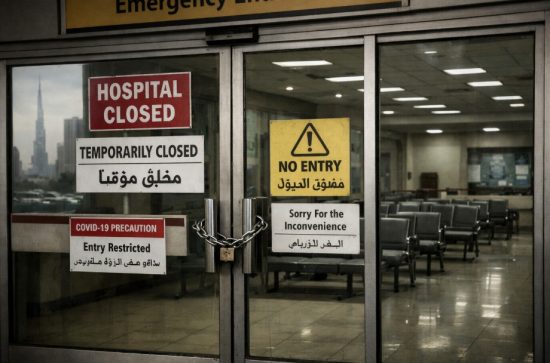
Yes, the Iranian Hospital in Dubai is officially closed as of March 2026, with operations completely halted following directives from UAE authorities.
Reports confirm that the facility is no longer functioning, its communication lines are disconnected, and its website is inactive. Patients who relied on the hospital have had appointments cancelled, and no new services are being offered.
The closure appears to have been implemented swiftly, leaving both patients and staff with limited notice. On-ground reports indicate that the facility is no longer accessible for medical care, confirming its inactive status.
Below is a structured breakdown of the current situation:
| Category | Status |
| Operational Status | Fully closed |
| Patient Services | Discontinued |
| Communication Lines | Disconnected |
| Website | Offline |
| Staff Activity | Suspended |
| Government Classification | Administrative closure |
Additional details suggest that internal operations were stopped abruptly, with staff being informed shortly before or during the closure process. Medical consultations and treatments were cancelled without clear transition plans for patients.
This closure confirms that the Iranian Hospital is no longer part of Dubai’s active healthcare system. Residents are now required to shift to alternative hospitals, and there is no official confirmation about any partial reopening or phased resumption of services.
Why Was the Iranian Hospital Dubai Closed by UAE Authorities?
The closure of the Iranian Hospital in Dubai is directly tied to broader political, regulatory, and security considerations. Authorities have described the move as administrative, but multiple reports indicate that it is part of a larger strategy involving institutions linked to Iran.
Was the Closure Linked to Wider UAE Actions Against Iranian Institutions?
Yes, the hospital closure is part of a wider crackdown on Iranian-linked entities operating within the UAE. This includes schools and cultural institutions that were also ordered to shut down.
Key factors include:
- Government action against institutions linked to the Iranian state
- Concerns about compliance with UAE laws and regulations
- Claims that some entities were being misused for purposes not aligned with local policies
- A coordinated shutdown across multiple sectors
Officials have stated that these closures were administrative in nature and aimed at ensuring regulatory compliance. However, they did not provide detailed public evidence regarding specific violations.
The move reflects a broader shift in how foreign-linked institutions are monitored and regulated within the UAE.
How Did Rising Regional Tensions Influence the Decision?
Escalating regional tensions played a significant role in the decision to close the hospital. The situation intensified due to ongoing military exchanges involving Iran and other global powers, which increased security concerns across the region.
Key influences include:
- Reports of missile and drone activity affecting UAE territory
- Heightened national security concerns
- Increased scrutiny of foreign-linked organizations
- Strategic measures to limit potential risks
A government adviser reportedly highlighted concerns about internal security risks, suggesting that authorities were cautious about institutions that could be linked to external influence.
This geopolitical backdrop created an environment where regulatory actions became more stringent. The hospital closure should therefore be understood not only as a healthcare issue but also as part of a wider national security and policy response.
What Is the Background of the Iranian Hospital in Dubai?
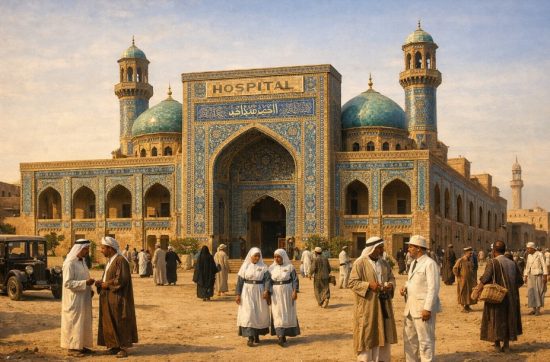
The Iranian Hospital in Dubai has a long and significant history, making its closure particularly impactful. Established in 1972, it has been one of the oldest healthcare institutions in the UAE and has served generations of residents.
When Was the Hospital Established and Who Operated It?
The hospital was founded in 1972 in Bur Dubai and operated under the supervision of the Iranian Red Crescent Society. Its establishment dates back to a period even before the formation of the UAE, highlighting its historical importance.
Key background points include:
- Established before the UAE’s rapid development phase
- Managed by Iranian medical professionals
- Funded and overseen by a state-linked humanitarian organization
- Known for its distinctive architectural design
Over the decades, it became a recognizable landmark in Dubai, both culturally and medically.
What Role Did the Hospital Play in Dubai’s Healthcare System?
The hospital played a crucial role in providing accessible healthcare services to a diverse population, including expatriates and local residents.
Its contributions included:
- Affordable medical services for middle-income patients
- Long-term treatment support for chronic conditions
- A trusted facility for the Iranian community in Dubai
- Integration into the broader healthcare ecosystem
Patients often relied on the hospital for continuity of care, especially those who had been visiting for years.
Real Voices from the Situation:
A nurse shared her concerns about the sudden closure
“We were told the hospital would stop operations immediately. Many of us did not expect it to happen so fast. We are now worried about our jobs and visas.”
A security staff member described the situation on-site
“The government shut us down without much explanation. We were just asked to stop operations. Everything happened very quickly.”
A resident who regularly visited the hospital expressed uncertainty
“I had ongoing treatment scheduled there. Now I have to find another hospital quickly. It is stressful because medical history matters.”
These accounts highlight the human impact behind the closure.
Which Other Iranian Institutions Were Closed Alongside the Hospital?
The closure of the Iranian Hospital was not an isolated action. It was part of a broader shutdown of multiple Iranian-linked institutions across the UAE.
Key institutions affected include:
- Iranian schools operating under Iran’s education system
- The Iranian Club in Dubai, a cultural and social hub
- Other community-focused organizations linked to Iran
These closures have created widespread disruption across different sectors.
For example:
- Students from Iranian schools are now facing educational uncertainty
- Cultural activities and community gatherings have been suspended
- Staff working in these institutions have been instructed to leave or prepare for relocation
The shutdown of these institutions signals a coordinated approach rather than a single administrative decision. It reflects a broader policy shift affecting education, healthcare, and social infrastructure connected to Iranian entities.
This multi-sector closure has significantly impacted the Iranian community in Dubai, which has historically been an integral part of the city’s social and economic fabric.
How Does the Closure Affect Patients, Staff, and Residents?
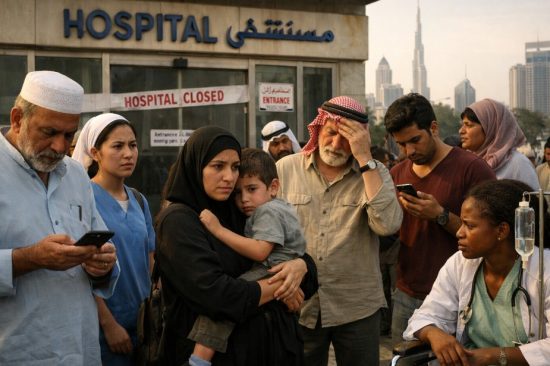
The closure has immediate and far-reaching consequences for multiple groups.
For patients:
- Ongoing treatments have been interrupted
- Medical records may need to be transferred
- Urgent need to find alternative hospitals
For staff:
- Employment has been abruptly halted
- Visa status may be affected
- Many are uncertain about future opportunities
For residents:
- Loss of a trusted healthcare provider
- Increased pressure on other hospitals
- Emotional and logistical challenges
Many patients relied on the hospital for years, making the transition difficult. Staff members are particularly vulnerable due to residency dependencies linked to employment.
The broader community is also affected, as the hospital served as a key healthcare option in Bur Dubai. The sudden nature of the closure has intensified the impact, leaving little time for preparation or adjustment.
What Are the Legal and Regulatory Reasons Behind the Shutdown?
The UAE government has described the closure as an administrative action, suggesting it is rooted in regulatory and legal considerations.
Key regulatory aspects include:
- Compliance with UAE healthcare licensing laws
- Oversight of foreign-linked institutions
- Enforcement of national security policies
- Ensuring institutions operate within legal frameworks
Authorities have indicated that some institutions may have been used in ways that do not align with UAE regulations. However, detailed public evidence has not been disclosed.
It is important to distinguish between confirmed facts and assumptions:
- Confirmed: The closure was ordered by authorities
- Confirmed: It is part of a broader regulatory action
- Unclear: Specific violations or misuse details
This reflects a broader trend of stricter regulatory enforcement, especially in sensitive geopolitical contexts.
Is This Closure Permanent or Temporary?
There is currently no official confirmation on whether the closure is permanent or temporary. Authorities have described it as administrative, which leaves room for interpretation.
Some possibilities include:
- Permanent shutdown due to policy changes
- Temporary suspension pending compliance review
- Conditional reopening under new regulations
However, no clear timeline or roadmap has been provided.
Until further announcements are made, the hospital should be considered fully closed. Patients and residents are advised not to rely on its reopening in the near future and should plan accordingly.
What Healthcare Alternatives Are Available in Dubai Now?
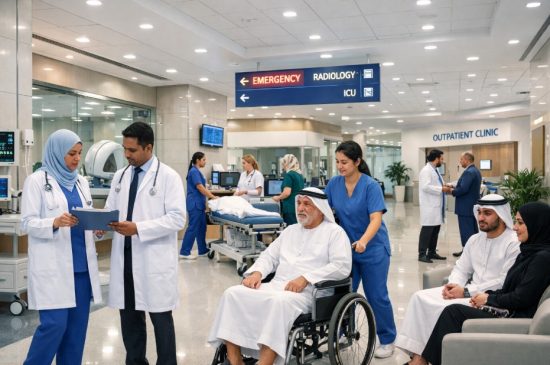
Dubai offers a wide range of healthcare alternatives to accommodate affected patients.
Residents can consider:
- Government hospitals providing regulated services
- Private hospitals with specialized care
- Clinics offering outpatient and general medical support
Most facilities in Dubai are well-equipped and follow international standards. Patients are encouraged to transfer their medical records and consult new providers as soon as possible.
Emergency services remain fully operational across the city, ensuring that urgent care needs are met without disruption.
What Does This Mean for UAE–Iran Relations and Future Policies?
The closure reflects broader geopolitical dynamics between the UAE and Iran. It signals a shift toward stricter oversight of foreign-linked institutions.
Potential implications include:
- Reduced institutional presence of Iranian entities in the UAE
- Changes in visa and travel policies
- Increased regulatory scrutiny
While the UAE continues to host a large Iranian community, this move indicates a more cautious and controlled approach moving forward.
What Information Is Confirmed, What Is Developing, and What Is Unverified?
Understanding the situation requires separating facts from speculation.
Confirmed facts:
- The Iranian Hospital in Dubai is closed
- Other Iranian institutions have also been shut down
- The closure is linked to broader government action
Developing information:
- Future policy decisions regarding reopening
- Diplomatic responses between UAE and Iran
- Long-term impact on residents and businesses
Unverified or unclear reports:
- Claims about embassy closures
- Full extent of visa restrictions
- Specific legal violations
This distinction is essential to avoid misinformation and ensure clarity in a rapidly evolving situation.
Conclusion
The closure of the Iranian Hospital in Dubai marks a significant moment in the UAE’s healthcare and geopolitical landscape. It reflects not only regulatory enforcement but also the influence of broader regional tensions.
For patients and residents, the immediate priority is adapting to new healthcare options and ensuring continuity of care.
While the future of the hospital remains uncertain, the situation highlights the importance of preparedness in times of sudden policy changes.
Dubai’s healthcare system remains strong and capable of absorbing the impact, but the emotional and practical challenges for affected individuals are real. As developments continue, staying informed through verified sources will be essential for understanding what comes next.
FAQs
Is the Iranian Hospital Dubai permanently closed?
The hospital is currently closed with no confirmed reopening date. Authorities have not clarified whether the closure is permanent.
Why did UAE shut down Iranian institutions?
The shutdown is linked to regulatory enforcement and rising geopolitical tensions. Authorities cited concerns about compliance and national interests.
Where can patients go after the closure?
Patients can visit government or private hospitals across Dubai. Many facilities offer similar or advanced medical services.
Are hospital staff required to leave the UAE?
Some reports suggest staff may face visa-related challenges. The situation depends on individual employment and residency conditions.
Was the closure related to security concerns?
Yes, regional tensions and security considerations appear to have influenced the decision. However, full details have not been publicly disclosed.
Are other foreign hospitals affected?
Currently, the action appears specific to Iranian-linked institutions. There is no widespread impact on other foreign hospitals.
Will UAE policies change further after this?
Policies may evolve depending on regional developments. Increased regulatory scrutiny is expected in sensitive sectors.