In finance circles, people used to talk about oil and gold. Now they whisper about semiconductors. Chips are no longer just components inside smartphones; they are the building blocks of electric vehicles, AI servers and even the routers that keep grids smart.
Hundreds of billions are pouring into fabs across the United States and Asia, each one vying for control of a supply chain that has been disrupted by pandemics, sanctions and geopolitical sabre rattling. When something goes wrong in one place, the world suddenly remembers that a tiny wafer can shut down a factory.
That wafer is not as innocent as it looks; either the power it needs is staggering. Researchers note that electricity consumption is the biggest source of emissions in chip fabrication and that advanced lithography drives up usage.
Wafer processing tools account for roughly 40% of a fab’s power demand, and facility systems like chillers and pure water take up more than half. Taiwan’s TSMC burned through almost twenty-five thousand gigawatt hours of electricity in twenty twenty three so reliability and affordability of energy are not academic concerns.
How Is the New Tech‑Commodity Link Reshaping Chips, Power, and Global Profit?
1. High Stakes At The Intersection

The growth of high-tech gaming venues isn’t just about throwing up sleek towers or handing out glossy brochures; it’s about the wiring underneath. Payment rails, security checks, and compliance systems are now as important as marble floors or chandeliered lobbies.
That’s why anyone interested in real money play is checking the guidelines explained by CardPlayer to see which platforms can actually deliver, even in the midst of legal changes.
The new laws may be opening doors, but the onus falls on operators to prove they can meet strict international standards on security, fairness, and technology. That same search for credible platforms runs in parallel with the push to equip upcoming resorts with AI-driven surveillance, blockchain-based auditing, and immersive reality gear that blurs the line between digital play and physical spectacle.
2. Resorts And Regulation
A press release from Wynn Resorts notes that construction crews numbering more than nine thousand are racing to finish the Wynn Al Marjan Island resort on the coast of Ras Al Khaimah.
The tower is climbing floor by floor, and the company says the one thousand five hundred and forty-two room complex, complete with a seven thousand five hundred square metre event centre, is on track to open in early 2027 as the first integrated gaming destination in the region.
These complexes will not succeed because of marble lobbies alone, they will rely on high-end computing to run everything from immersive gaming experiences to cashless payment systems.
When the Ras Al Khaimah resort opens, regulators expect it to comply with strict international security and responsible gaming standards that require sophisticated identity checks, blockchain record keeping, and AI monitoring. All of those tools need processors with serious horsepower and data centres humming quietly out in the desert.
3. Chips, Cash And Energy
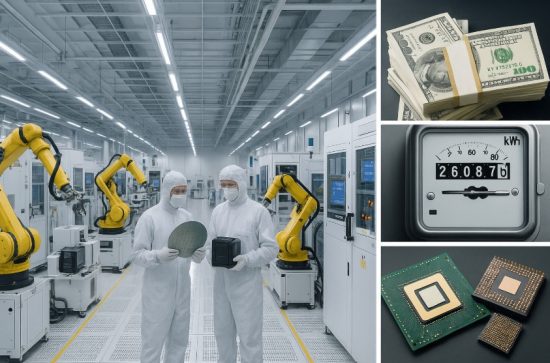
The profits are what make the gamble worthwhile. Nvidia and its rivals are selling chips to casino operators, defence contractors and cloud companies at eye-watering markups, high-end accelerators represent a tiny fraction of wafers yet deliver the majority of revenue, and the race to secure supply has pushed valuations of chip firms to record highs.
Investors who once bought oil stocks are now buying semiconductor fabs and the utilities that feed them because they see that a steady flow of electricity is as valuable as the silicon itself.
That is where power becomes the overlooked side of the trade. Industry analysts note that wafer processing tools account for about 40% of a fab’s power consumption, while facility systems like chillers and purification units consume more than half.
The industrial sector is already using more than sixty-three thousand gigawatt hours of power to build semiconductors and electronics in Taiwan, and usage is projected to more than double by 2030.
Data centres in the United States and Europe are signing contracts with nuclear and renewable providers because the grid cannot handle their appetite.
4. Linking Power And Profit
Experts have chronicled how environmental NGOs blasted American tech giants while ignoring mainland producers who churn out chips using dirty power.
That hypocrisy is why some analysts look at the energy puzzle and see an opportunity rather than a crisis, the companies that provide reliable power and the countries that facilitate transparent regulation are likely to capture outsized gains.
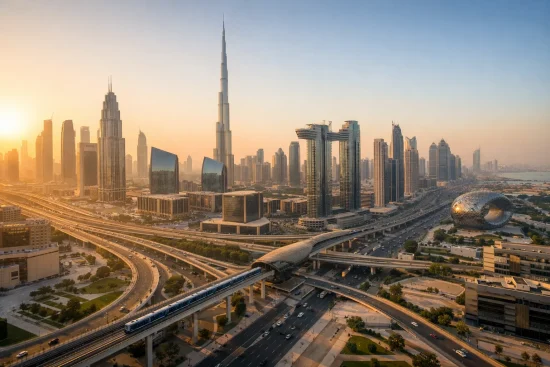
Back in the Gulf, the experiment will be watched closely. A region that built its wealth on hydrocarbons is now betting on semiconductors, renewable energy and high-tech entertainment to attract capital.
A casino built on an artificial island may seem worlds away from a clean room in Hsinchu, yet they are linked by the same currents of electrons and money. As gamblers place their bets and AI algorithms call up their cards, somewhere a data centre is drawing megawatts of power to make it all possible.
Perhaps that is the real lesson, the new tech commodity is not just the chip itself but the combination of silicon, electricity and the human desire for profit.