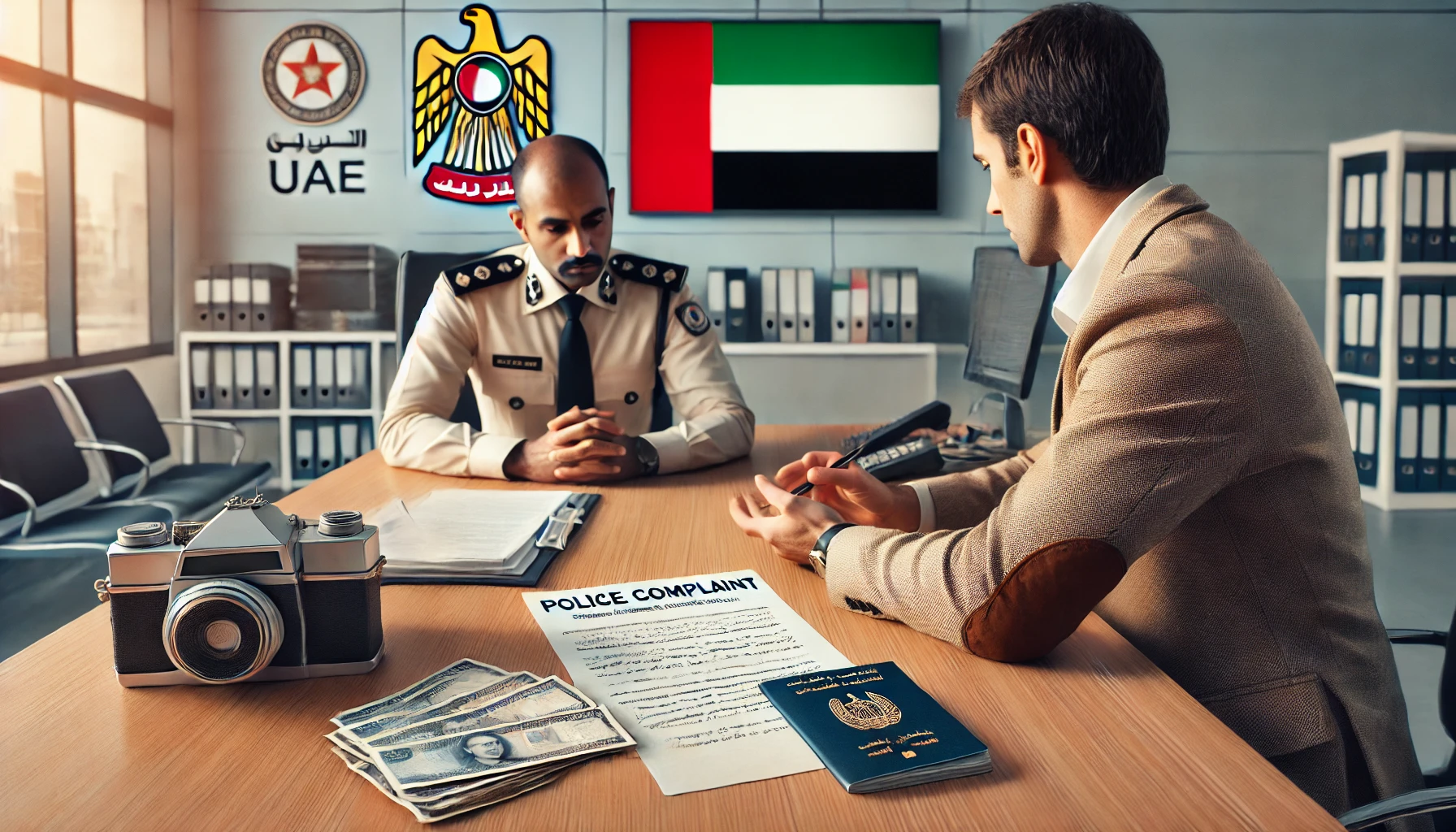
Have you lent money to someone in the UAE and they failed to return it despite repeated reminders? Financial disputes like these can be frustrating, but the UAE offers legal avenues to help you recover your funds. Filing a police complaint is one of the most effective ways to address this issue and hold the borrower accountable.
However, many people are unsure about the process, the legal requirements, and what happens after filing a complaint. How do you ensure your complaint is taken seriously?
What alternatives exist if you wish to avoid formal police action? In this guide, we’ll explore how you can file a police complaint for not returning money in the UAE and protect your financial interests.
Can You File a Police Complaint for Not Returning Money in UAE?

Yes, you can file a police complaint in the UAE if someone has failed to return the money they owe you. Financial disputes, such as non-repayment of loans, are taken seriously in the UAE, and there are proper legal mechanisms in place to address such issues. However, the viability of your complaint largely depends on the evidence you can provide to support your claim.
In the UAE, non-repayment of borrowed money can be treated as a financial crime under certain circumstances, particularly if there is clear evidence of an agreement between the parties. For instance:
- Loan Agreements: A signed loan agreement that specifies the terms of repayment can strengthen your case.
- Promissory Notes: These documents act as written assurances from the borrower to repay the money.
- Bank Transfers: Proof of the amount transferred to the borrower’s account, especially if it is explicitly marked as a loan.
- Recorded Communication: Text messages, emails, or other communication that demonstrates the loan arrangement or repayment promises.
It is essential to understand that the police will only entertain complaints where the lender can provide concrete proof of the loan. Cases where there is no written or documented agreement may face challenges during investigation or prosecution. However, in such situations, you can still consult a legal expert to determine the best course of action.
Before filing a complaint, ensure that:
- You have made sufficient attempts to contact the borrower for repayment.
- Your documentation is organized and ready to present to the authorities.
Filing a police complaint is often the first step in recovering the money, and it can lead to further legal proceedings if required. Proper documentation ensures that your case is taken seriously and has a higher chance of resolution.
What Are the Legal Requirements for Filing a Complaint?
Filing a police complaint for not returning money in the UAE requires specific legal documents and evidence to support your case. UAE authorities emphasize transparency and accountability, so being prepared with the necessary paperwork is critical to ensuring the complaint process goes smoothly. Here’s what you need to know:
1. Essential Documents to Prepare
To file a complaint, you’ll need the following:
- Written Agreements or Contracts: A signed agreement detailing the loan terms, repayment schedule, and conditions is one of the most critical pieces of evidence.
- Proof of Money Transfer: Bank statements, deposit slips, or cheque details showing the transfer of the loan amount.
- Communication Records: Screenshots or copies of emails, text messages, or WhatsApp conversations that demonstrate the agreement or your follow-up attempts for repayment.
- Identity Documents: Both your Emirates ID (or passport) and the borrower’s information, if available, may be required for the complaint.
2. Steps to Verify Your Documentation
- Ensure Validity of Documents: Loan agreements must be legally valid under UAE law. If your agreement is not notarized or legally formalized, it might weaken your claim.
- Check for Evidence of Intent: Any proof of the borrower’s acknowledgement of the loan or their intent to repay can strengthen your case.
- Translate Documents if Necessary: If your evidence is not in Arabic, the official language in UAE legal systems, you may need to have it translated by an accredited legal translator.
3. Understand the Legal Context
The UAE recognizes financial disputes as both civil and, in some cases, criminal matters. Filing a police complaint initiates the legal process. The police will assess your documents to confirm whether the borrower’s non-repayment constitutes a financial offense or requires civil litigation.
- Civil Cases: These focus on recovering the loan amount through court orders.
- Criminal Cases: If there is evidence of fraud, deception, or deliberate intent not to repay, the case may escalate to a criminal complaint.
4. Be Prepared for Additional Steps
While the police will initiate the investigation based on your complaint, incomplete or insufficient documentation may lead to delays or dismissal of the case. Consulting a lawyer beforehand can ensure your documentation meets all legal requirements.
By organizing your evidence and ensuring it complies with UAE laws, you significantly increase your chances of a favorable outcome. Proper preparation not only expedites the process but also ensures the authorities take your complaint seriously.
How to File a Police Complaint for Not Returning Money in UAE?

Filing a police complaint for not returning money in the UAE is a structured process designed to ensure fairness and legal compliance. The UAE provides both in-person and online options for filing complaints, making the process convenient for residents. Here’s a step-by-step guide to help you file a complaint effectively:
Step 1: Prepare Your Case
Before approaching the authorities, ensure you have all the required documents in order. This includes:
- A valid loan agreement or written evidence of the transaction.
- Proof of the loan transfer (e.g., bank statements or cheques).
- Communication records (e.g., emails or WhatsApp messages) showing follow-up attempts to recover the money.
- Your Emirates ID or passport.
Being organized will help the police understand your case better and expedite the complaint process.
Step 2: Visit a Police Station or File Online
You have two options for filing your complaint:
1. In-Person Filing
- Visit the nearest police station in your emirate. In Dubai, for example, you can approach the Dubai Police General Headquarters or any local station.
- Present your documents and explain your case clearly.
- You will be asked to provide a written statement describing the nature of the dispute, the amount owed, and the borrower’s details.
2. Online Filing
- Use the Dubai Police Smart App, the Abu Dhabi Police e-portal, or other emirate-specific platforms.
- Log in with your UAE Pass or register on the platform.
- Submit the required details and upload scanned copies of your evidence.
- Once submitted, you’ll receive a case reference number for tracking.
Step 3: Case Registration and Investigation
- After filing the complaint, the police will review your submission to ensure all necessary details are included.
- They may contact you for clarification or additional documents.
- If the case is accepted, the police will contact the borrower and initiate an investigation.
- In some cases, the borrower may be summoned to the police station for questioning or mediation.
Step 4: Mediation or Escalation
- The police may attempt to mediate between you and the borrower to resolve the dispute amicably.
- If the borrower refuses to cooperate, the case may be escalated to the Public Prosecution, where formal legal proceedings will begin.
Step 5: Tracking Your Complaint
- Use the case reference number provided by the police to monitor the progress of your complaint.
- If you’ve filed the complaint online, updates may be available directly on the portal or app you used.
Important Tips to Keep in Mind
- Act Promptly: Delaying your complaint may weaken your case, especially if the borrower leaves the UAE.
- Seek Legal Advice: Consulting a lawyer can help you navigate complex cases and understand the best approach.
- Avoid Defamation: Do not attempt to pressure the borrower publicly (e.g., on social media), as this can lead to counterclaims for defamation under UAE law.
Filing a police complaint is a vital step in recovering unpaid debts and ensures the matter is handled within the framework of UAE laws. Following these steps will help you initiate the process confidently and effectively.
What Happens After Filing the Complaint?
Once you have successfully filed a police complaint for not returning money in the UAE, the authorities will take a structured approach to investigate and resolve the matter. Understanding the process after the complaint can help you prepare for the next steps and set realistic expectations.
1. Police Review and Investigation
- After submitting your complaint, the police will review all documents and evidence provided to verify the legitimacy of your claim.
- If the evidence is sufficient, they will contact the borrower and inform them of the complaint.
- The accused may be summoned to the police station for questioning or to present their side of the story.
- During this stage, the police may attempt to mediate between both parties to reach an amicable resolution.
2. Mediation and Resolution
- In many cases, the borrower may agree to settle the dispute during mediation to avoid further legal complications.
- If an agreement is reached, a repayment schedule may be drawn up, and the case can be closed without escalation.
- However, if the borrower denies the claim or refuses to cooperate, the case will be forwarded to the Public Prosecution.
3. Escalation to Public Prosecution
If mediation fails, the complaint moves to the Public Prosecution, where a formal legal case is initiated:
1. Public Prosecutor’s Role: The Public Prosecutor examines the evidence to determine whether the case qualifies for civil litigation or criminal charges. They may summon both parties for further questioning and collect additional evidence if needed.
2. Possible Outcomes: If there is strong evidence of fraud, deceit, or intentional non-repayment, criminal charges may be filed against the borrower. If it’s determined to be a financial dispute without criminal intent, the matter may proceed as a civil case.
4. Legal Consequences for the Borrower
Depending on the findings, the borrower may face:
- Travel Bans: To prevent the borrower from leaving the UAE before the case is resolved.
- Arrest Warrants: If the borrower fails to appear for questioning or legal proceedings.
- Criminal Penalties: In cases of proven fraud or deceit, this could include fines, imprisonment, or both.
- Court Orders for Repayment: In civil cases, the court may issue a judgment requiring the borrower to repay the owed amount.
5. Case Tracking and Updates
You can track the progress of your case using the reference number provided when the complaint was filed. Updates can be obtained via:
- Police portals (e.g., Dubai Police Smart App).
- Contacting the assigned investigator or Public Prosecution office.
6. Final Resolution
The outcome of the case will depend on the evidence presented and the borrower’s cooperation. If the case concludes in your favor:
- The borrower may be required to repay the loan with or without penalties.
- You may have additional legal options to recover your money if the borrower is unable or unwilling to pay immediately.
By understanding what happens after filing a complaint, you can stay informed and engaged throughout the process. While the authorities handle the investigation and legal proceedings, maintaining patience and providing full cooperation will increase the likelihood of a favorable outcome.
What Are the Alternatives to Filing a Police Complaint?

While filing a police complaint is a straightforward and effective method to recover money in the UAE, there are alternative approaches to resolving financial disputes. These options are particularly useful when you wish to avoid the formalities of criminal proceedings or prefer a more amicable resolution.
1. Civil Lawsuits for Debt Recovery
A civil lawsuit can be filed if you have strong evidence supporting your claim, such as loan agreements, proof of bank transfers, or documented communication.
Process:
- Approach the appropriate UAE civil court in your emirate.
- Submit your claim along with supporting documents.
- Once accepted, the court may issue a judgment requiring the borrower to repay the loan.
Advantages:
- No criminal charges are involved, reducing the potential for damaging the borrower’s reputation.
- Focuses purely on recovering the debt rather than penalizing the borrower.
2. Mediation Through Legal Professionals
Mediation is a less formal approach where a neutral third party, such as a lawyer or licensed mediator, facilitates communication between you and the borrower to resolve the dispute.
How It Works?
- A mediator will examine the evidence from both sides and help negotiate repayment terms.
- Mediation sessions can occur privately, ensuring confidentiality.
Benefits:
- Saves time and money compared to formal legal proceedings.
- Preserves relationships, especially in cases where the borrower is a friend or family member.
3. Arbitration Services
Arbitration is another alternative to court proceedings where an arbitrator, typically a legal expert, hears the case and makes a binding decision.
Key Features:
- Arbitration agreements must often be pre-established in the loan contract.
- The decision of the arbitrator is legally binding and enforceable in the UAE.
Why Choose Arbitration?
- Faster resolution compared to traditional court cases.
- Suitable for commercial or business-related loan disputes.
4. Sending a Legal Notice
A legal notice is a formal letter sent through a lawyer, informing the borrower of their obligation to repay the loan and warning them of possible legal action.
Contents of a Legal Notice:
- A summary of the loan details and proof of lending.
- A specific deadline for repayment (usually 15-30 days).
- The potential consequences of non-payment, such as legal or police action.
Advantages:
- Often acts as a final wake-up call for borrowers to settle their debt without further escalation.
- A cost-effective way to resolve disputes without court involvement.
5. Settlement Agreements
If both parties are willing, you can draft a settlement agreement specifying a repayment plan that is agreeable to both sides.
Example Terms:
- Partial repayment upfront, with the balance paid over a set period.
- Interest-free repayment terms, if the borrower demonstrates financial hardship.
Why It Works?
- Promotes a collaborative resolution.
- Avoids the time and stress of legal procedures.
When Should You Opt for Alternatives?
- If you have a close personal or professional relationship with the borrower.
- If the amount in question is relatively small and doesn’t justify formal legal action.
- If you want to avoid criminalizing the dispute and prefer a less confrontational approach.
Alternatives can often lead to quicker and more cost-effective resolutions. However, if the borrower remains uncooperative or the amount involved is substantial, filing a police complaint or pursuing a legal case may still be the best option.
Tips for Preventing Financial Disputes in the Future
Preventing financial disputes is crucial to safeguarding your interests, especially in a place like the UAE, where lending money often involves formal legal processes. By following some proactive steps, you can minimize the chances of financial conflicts and ensure smooth transactions with others.
1. Document Every Loan Agreement
Always create a written agreement, even if the loan is between close friends or family members.
Ensure the agreement includes:
- The loan amount.
- Repayment terms and deadlines.
- Interest rates (if applicable).
- Both parties’ signatures and dates.
Consider notarizing the document for added legal credibility.
2. Use Secure Payment Methods
Avoid cash transactions that leave no record. Instead, use secure and traceable methods like:
- Bank transfers.
- Issued cheques.
- Payment apps that record the transaction.
Add clear notes when transferring money (e.g., “Loan for personal use”).
3. Communicate Clearly
- Establish clear terms of the loan from the start, including what happens in case of delays in repayment.
- Keep records of all communication regarding the loan, such as text messages or emails, as they may serve as evidence if a dispute arises.
4. Assess Borrower Reliability
- Before lending money, consider the borrower’s financial situation and repayment ability.
- Be cautious when lending to individuals with a history of unpaid debts or financial irresponsibility.
5. Avoid Lending Without Legal Support for Large Amounts
- For significant loan amounts, consult a lawyer to draft a formal loan agreement.
- A legal expert can help structure the loan in compliance with UAE laws, reducing potential complications.
6. Set Up Automatic Repayments
- To prevent missed payments, agree on automatic deductions or scheduled bank transfers for repayment.
- This ensures timely repayment and avoids misunderstandings about deadlines.
7. Stay Informed About UAE Laws
- Familiarize yourself with UAE laws related to loans and debt recovery.
- Understanding your legal rights and obligations as a lender will help you handle disputes more effectively.
8. Avoid Emotional Lending Decisions
- Lending money can often involve personal relationships, but it’s important to approach it as a financial transaction.
- Avoid making loans based on emotional appeals without proper agreements in place.
9. Consult Professionals When Needed
- If you feel unsure about the loan terms or suspect potential issues, consult a legal advisor.
- Legal professionals can guide you on creating binding agreements and resolving disputes proactively.
Key Takeaway
Preventing financial disputes begins with transparency, clear communication, and proper documentation. By taking these preventive measures, you protect yourself from unnecessary stress and financial loss while maintaining healthy relationships with borrowers.
Conclusion
Filing a police complaint for not returning money in the UAE is a structured process that protects lenders and ensures justice. By gathering the necessary evidence, understanding legal requirements, and following the correct steps, you can effectively address financial disputes.
The UAE’s legal system offers various options, from police mediation to civil lawsuits, making it possible to recover your money while holding borrowers accountable. Additionally, understanding the potential consequences for defaulters reinforces the importance of following proper procedures.
Taking preventive measures, such as documenting loans and using secure payment methods, can help you avoid such disputes in the future. If you’re dealing with unpaid loans, act promptly and legally to safeguard your financial rights and achieve a fair resolution.
FAQs
Can I file a police complaint online in the UAE for not returning money?
Yes, you can file a complaint online through platforms like the Dubai Police Smart App or the Abu Dhabi Police e-portal. These services streamline the process and allow you to track your case easily.
What if I do not have written proof of the loan?
Without written proof, it can be challenging to file a strong case. However, other evidence like bank transfers or communication records may support your claim.
How long does the complaint process take in the UAE?
The time varies based on the complexity of the case and the borrower’s cooperation. Initial investigations typically take a few weeks.
What happens if the borrower has left the UAE?
If the borrower has left the country, a travel ban or arrest warrant can still be issued. You may also pursue legal action to recover the funds internationally.
Can a verbal agreement be considered valid in UAE law?
Verbal agreements are harder to prove but may be considered valid if supported by evidence, such as witnesses or consistent communication records.
Are there any fees involved in filing a police complaint?
Filing a complaint is generally free, but court cases or legal consultations may involve additional fees depending on the nature of the dispute.
Can I recover emotional damages caused by the borrower’s actions?
In some cases, UAE courts may allow claims for emotional damages, especially if you can demonstrate significant distress caused by the borrower’s non-repayment.