Have you ever thought about buying a property before it’s even built? In Dubai, this concept is becoming more popular than ever. Known as off-plan property, this type of real estate is purchased directly from developers before the construction is completed.
Buyers make decisions based on floor plans, architectural visuals, and 3D renderings instead of walking through a finished space. This option opens doors to flexible payments, discounted pricing, and modern home designs.
Dubai’s growing skyline and strong property market make off-plan investments a tempting choice for residents and foreign investors alike. However, while the benefits are attractive, there are also key risks and regulations to be aware of.
Understanding how it all works is essential before taking your first step. This blog covers everything you need to know to make an informed decision about buying off plan in Dubai.
What Does “Off Plan Property” Mean in Dubai?
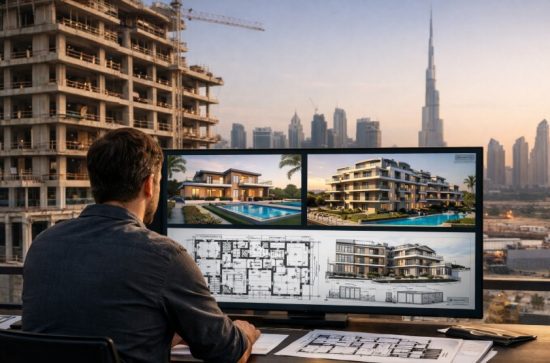
Off plan property in Dubai refers to real estate that is purchased directly from a developer before the construction of the property is completed. Sometimes, the purchase is made even before the project officially begins construction.
Buyers base their decision on visual marketing materials, which include floor plans, architectural drawings, 3D renderings, and showroom samples. Since you’re not buying a completed unit, your agreement is based on the proposed design and development timeline.
In Dubai, off plan sales are supported by a strong legal framework. Most transactions involve signing a Sales and Purchase Agreement (SPA) and registering the deal through a government-backed platform like Oqood. Payments are typically broken down into stages, beginning with a deposit and followed by instalments tied to construction milestones.
Developers may offer buyers the ability to personalise finishes or choose preferred layouts during early phases. This means you’re not just investing in a property but also shaping it according to your lifestyle. As a result, off plan property offers both flexibility and future value in Dubai’s real estate market.
Why Is Off Plan Property So Popular in Dubai?
Dubai’s off plan property market has gained immense popularity due to the city’s growth, modern infrastructure, and investor-friendly environment. It attracts a wide variety of buyers, including locals, expats, and international investors seeking long-term gains.
The popularity is driven by several key factors:
- Affordable Entry Point: Off plan properties are often priced lower than completed units, allowing more people to invest with less upfront capital.
- Flexible Payment Plans: Buyers benefit from staged payments linked to construction, easing financial pressure and improving affordability.
- Strong Return on Investment: Properties usually appreciate in value by the time of handover, increasing capital gains potential.
- Customisation Options: Developers may offer options for choosing finishes, layouts, and fixtures.
- Modern Design and Amenities: New developments come equipped with smart home technology, green features, and community-focused amenities.
This method of purchasing also aligns with Dubai’s fast-paced development model, where investors get the chance to join projects from the beginning. As the city continues to expand, off plan property remains a key avenue for long-term investment and homeownership.
What Are the Key Benefits of Buying Off Plan Property?
Buying off plan property in Dubai presents several advantages that appeal to both homebuyers and investors. These benefits go beyond just affordability and offer long-term financial and lifestyle gains.
Here’s why many people are choosing this route:
- Lower Purchase Price: Developers often offer units at discounted prices during early launch phases.
- Flexible Payment Structures: Buyers can pay in stages, typically aligned with construction progress, easing the upfront financial burden.
- Capital Appreciation: As construction advances and the market grows, your property could significantly increase in value before it’s completed.
- Personalisation: You may have the chance to select design elements like flooring, kitchen fittings, or wall colours, giving your future home a personal touch.
- Modern Features: New off plan projects in Dubai often include cutting-edge designs, energy-efficient systems, and the latest amenities.
These advantages make off plan purchases a compelling option for those looking for a smart entry point into Dubai’s dynamic property market. With good planning, the benefits can outweigh the initial uncertainties.
What Risks Should You Be Aware of When Buying Off Plan?
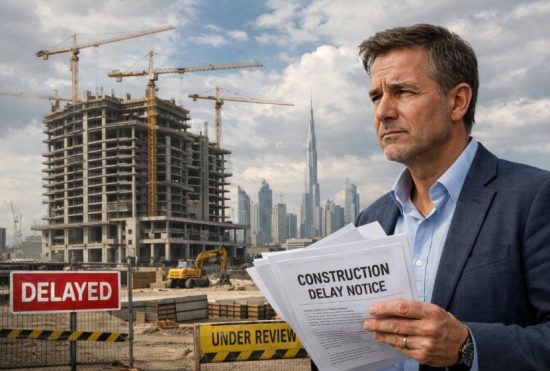
While the advantages of buying off plan are notable, it’s essential to be aware of the risks that come with it. Understanding these factors ensures that you make informed decisions and prepare for potential challenges.
Some of the main risks include:
- Construction Delays: Project timelines may be pushed back due to unforeseen circumstances, affecting handover dates.
- Market Fluctuations: The value of your property may vary by the time construction is completed, potentially impacting your return.
- No Immediate Income: Unlike ready properties, off plan units cannot be rented out until after handover.
- Developer Risk: You are relying on the developer’s ability to deliver as promised. Choosing an unreliable developer increases your exposure.
- Design Changes: Minor variations from the initial design can occur during construction, depending on regulatory or technical adjustments.
Although Dubai has strong legal protections in place, these risks are real and should be weighed carefully before committing. The key lies in due diligence and choosing reputable developers.
How Does the Off Plan Property Buying Process Work in Dubai?
The process of buying an off plan property in Dubai is structured and regulated, making it relatively straightforward for serious buyers. Whether you are a first-time investor or upgrading your home, knowing the steps can help you navigate the journey more confidently.
Here’s how it generally works:
- Step 1: Define Your Objective: Decide whether you’re buying to live in, rent out, or invest for capital growth.
- Step 2: Research Developers and Projects: Check past performance, delivery timelines, and the quality of previous developments.
- Step 3: Reserve the Unit: Pay a booking amount to lock in your chosen unit. This is typically around 5 to 10 percent of the purchase price.
- Step 4: Sign the SPA: The Sales and Purchase Agreement outlines payment plans, timelines, and property specifications.
- Step 5: Pay Instalments: Make payments as per the agreed milestones, which are usually tied to construction phases.
Once the project is complete and all payments are made, you’ll receive the handover and your property ownership will be registered with the Dubai Land Department.
What Legal Protections Exist for Off Plan Buyers in Dubai?
Dubai’s property market is backed by robust regulations to protect off plan buyers. The Real Estate Regulatory Agency (RERA) plays a central role in overseeing project registrations and developer compliance. All developers must be RERA-approved and projects must meet strict development criteria before being sold.
Buyers are required to register their purchase through the Oqood system, which records contract details and ensures transparency. Payments made during the construction phase are deposited into an escrow account. These funds are released to the developer only when specific construction milestones are achieved, protecting your investment.
Additionally, developers must provide a performance guarantee or completion bond. This legally binds them to deliver the property as promised. If delays or disputes arise, buyers have the right to file complaints and seek resolution through the Dubai Land Department. These legal frameworks create a high level of buyer security in Dubai’s off plan sector.
Where Are the Best Places to Buy Off Plan Property in Dubai?
Dubai offers a wide selection of locations for off plan investment, with communities ranging from emerging districts to well-established hotspots. Your ideal location will depend on your goals, whether it’s for lifestyle, rental yield, or long-term capital appreciation.
Here are some top areas to consider:
- Emaar Beachfront: A luxurious waterfront destination offering private beaches and elegant high-rise apartments.
- Dubai South: Set to become a major logistics and aviation hub near Al Maktoum Airport, ideal for long-term growth.
- Dubai Creek Harbour: Positioned as the next Downtown, with iconic waterfront views and sustainable urban planning.
- The Valley by Emaar: Family-oriented suburban living with townhouses and green open spaces.
Established areas like:
- Dubai Marina: A favourite for professionals seeking a high-end lifestyle near water and entertainment.
- Downtown Dubai: Offers iconic city living close to the Burj Khalifa and Dubai Mall.
- Dubai Hills Estate: A green master-planned community with parks, schools, and a golf course.
- Business Bay: Ideal for urban professionals, located next to Downtown with business and residential towers.
Each location offers unique advantages and growth potential depending on your personal or investment objectives.
How Does Off Plan Compare to Ready Property in Dubai?
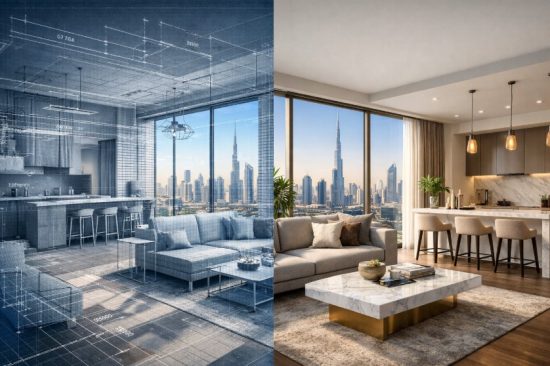
Choosing between off plan and ready property in Dubai depends on your financial goals, risk tolerance, and timeline. Both options serve different types of buyers and come with their own benefits and drawbacks. Whether you are an investor or future homeowner, understanding the differences is essential.
Price and Payment Flexibility
Off plan properties generally come with a lower entry price and more flexible payment plans. You pay in instalments as construction progresses. Ready properties, on the other hand, require full payment or mortgage financing upfront, making them more suitable for those ready to move in or start renting immediately.
Rental Income and Usage
Ready properties can generate rental income right away. Off plan units do not yield income until completion, which might take years depending on the project’s timeline.
Risk and Return
Off plan involves construction risks, potential delays, and future market fluctuations. However, it also offers the possibility of significant capital appreciation. Ready units offer certainty in terms of the final product and pricing, but less room for growth if prices have already peaked.
Customisation and Modern Features
Off plan buyers can often customise layouts and finishes, while ready properties come as-is. New off plan developments usually include the latest amenities, green features, and smart-home technologies.
Ideal Buyer Profiles
- End-Users: May choose ready property for immediate use or off plan if looking for newer designs.
- Investors: May prefer off plan for capital gains or ready property for instant rental income.
Off Plan Property vs Ready Property in Dubai
| Feature | Off Plan Property | Ready Property |
| Price | Generally lower during launch | Market value or higher |
| Payment Structure | Staggered across construction | Lump sum or mortgage upfront |
| Rental Income | Available only post-handover | Immediate potential |
| Risk Level | Higher (construction delays) | Lower (property is complete) |
| Time to Use | After completion | Immediately |
| Customisation | Possible during early stages | Limited or none |
| Features & Amenities | Latest technologies and layouts | May be outdated in older units |
What Should You Check Before Buying Off Plan Property?
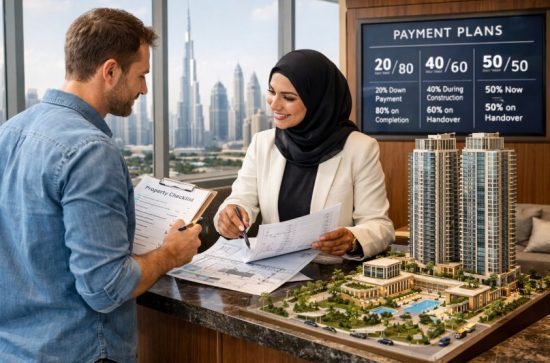
Doing thorough due diligence before buying off plan property in Dubai is crucial to avoid future disappointments. Since you’re buying something that doesn’t exist yet, you must evaluate every detail with care.
Here’s what you should review:
- Developer’s Track Record: Look at previous projects, handover timelines, and customer reviews.
- Legal Documents: Examine the SPA for payment terms, timelines, and specifications.
- Payment Plan Feasibility: Make sure the instalments match your financial situation over time.
- Construction Updates: Check if the developer provides regular progress reports and photos.
- Customisation Clauses: Confirm if changes are allowed and what limitations apply.
- Exit Strategy: Consider whether you plan to live in the unit, rent it out, or sell it before handover.
Investing time in research now can save you from delays, design surprises, or legal issues later. A well-informed buyer is always in a stronger position.
Conclusion
Off plan property in Dubai opens up a world of opportunity for those looking to invest in modern, future-ready real estate. With flexible payment structures, customisation options, and strong market demand, this type of purchase can be highly rewarding.
However, like any investment, it carries its share of risks, particularly related to developer performance and construction timelines. Thankfully, Dubai’s legal protections are among the strongest in the world, making it a relatively secure market.
If you’ve done your research, aligned your finances, and chosen a trusted developer, then off plan property might be the perfect route for your next real estate move in the UAE.
FAQs
What is an off-plan property in Dubai?
It is a property purchased directly from a developer before it is built or completed, often based on plans and renderings.
Can foreigners buy off-plan property in Dubai?
Yes, foreigners can buy off plan property in designated freehold areas approved by the Dubai Land Department.
What documents are required to buy off-plan property in Dubai?
You need a valid passport, proof of address, and may be asked for additional identification and KYC documents.
What is the typical down payment for off plan property in Dubai?
Most developers require a down payment of 10 to 20 percent of the property value.
Is buying off-plan property in Dubai safe?
Yes, it is safe when you buy from a RERA-approved developer and the project is registered with the Dubai Land Department.
Can I resell my off-plan property before handover?
In many cases, yes, depending on the developer’s policies and completion stage, subject to approval.
What happens if the developer delays the project?
You may be eligible for compensation or other remedies through legal channels such as RERA, depending on the SPA.