Are you planning to start your online business in Dubai and wondering how to get an ecommerce license quickly? You’re not alone. With the UAE’s digital economy booming and Dubai at the forefront of ecommerce growth, entrepreneurs are eager to enter this dynamic market.
Whether you’re a small startup or an international brand looking to expand, obtaining the right license is the first step to launching legally and confidently.
An ecommerce license allows you to legally operate online stores, digital marketplaces, or service-based businesses from within Dubai. However, the process involves understanding different authorities, costs, regulations, and options like Free Zones or Mainland setups.
This guide breaks everything down so you can get your ecommerce license in Dubai without delays. Read on to discover the exact steps, costs, and advantages of starting your ecommerce journey today.
What Is an Ecommerce License in Dubai?

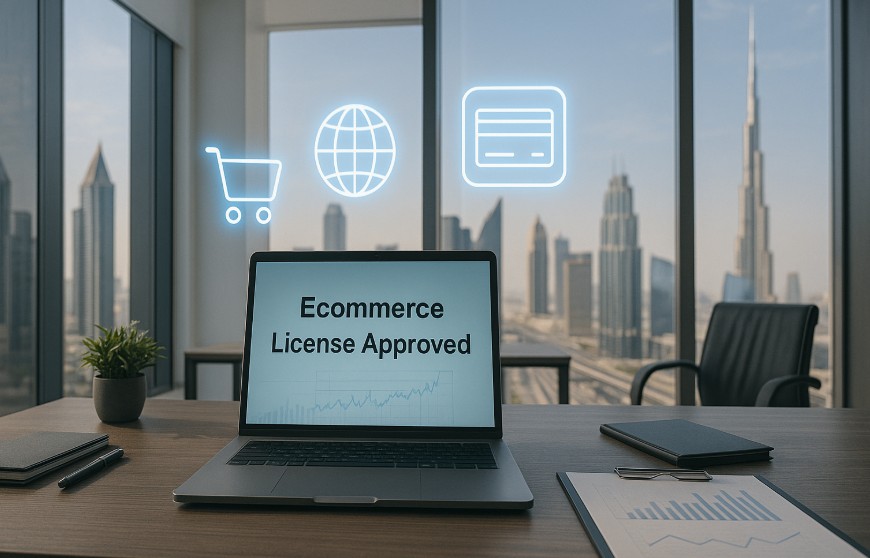
An ecommerce license in Dubai is an official permit issued by government authorities that enables individuals or businesses to sell goods and services over the internet. It covers all digital transactions conducted within the UAE and abroad from a Dubai-based entity.
This license is not limited to product sales. It also applies to online services such as consultancy, education, marketing, and software. Regardless of whether you’re selling digital items, offering services, or building a platform for others, having this license is essential for legal operation.
It bridges the gap between innovation and regulation, ensuring that businesses comply with UAE commercial laws. Even if your physical activities are limited or non-existent, the law mandates this license if your primary operations occur through digital channels.
An ecommerce license enhances your business legitimacy and allows you to open a corporate bank account, apply for residency visas, and collaborate with local and international partners.
Why Do You Need an Ecommerce License to Sell Online in Dubai?
Operating an online business in Dubai without a license is not only illegal but also limits your growth opportunities. Here’s why securing an ecommerce license is crucial:
- Legal Compliance: UAE regulations require businesses trading online to be licensed by the relevant authority, whether Free Zone or Mainland.
- Credibility: Licensed companies gain the trust of consumers, suppliers, and financial institutions.
- Payment Gateway Access: Most UAE payment gateways demand a valid ecommerce license before approval.
- Tax & VAT Registration: Proper licensing ensures that you’re registered with the Federal Tax Authority and are eligible for tax filing.
- Corporate Banking: Banks require business licenses to open commercial accounts.
- Visa Eligibility: Holding an ecommerce license qualifies you to sponsor employee and family visas.
Moreover, the license allows you to protect your brand and scale your business confidently while enjoying government support and incentives aimed at fostering the digital economy.
Which Authorities Issue the Ecommerce License in Dubai?

In Dubai, ecommerce licenses are issued by government entities depending on your business jurisdiction. Your decision between Free Zone and Mainland will determine which authority you need to apply to.
The Dubai Department of Economic Development (DED) is responsible for issuing licenses on the Mainland. This option allows you to trade directly within the local UAE market without intermediaries. The DED ecommerce license is ideal for businesses targeting consumers across Dubai and offers flexibility in choosing office locations and business activities.
Alternatively, Free Zone Authorities like IFZA, DMCC, and SHAMS also issue ecommerce licenses. These zones provide attractive incentives such as full foreign ownership, low startup costs, simplified processes, and tax benefits. However, selling directly to the local UAE market usually requires the use of a local distributor or agent.
Choosing the right licensing authority depends on your business model, target audience, and operational scale. Understanding these authorities is essential to make an informed decision that aligns with your goals.
What Are the Main Types of Ecommerce Licenses Available?
Ecommerce licenses in Dubai are tailored to fit different business models. The license you choose determines your legal activities and growth potential.
Mainland Ecommerce License
Issued by DED, this license allows businesses to operate within Dubai and across the UAE without needing a local distributor. It is perfect for those who want to access the local market directly and establish physical presence or retail operations if needed.
Free Zone Ecommerce License
Issued by authorities like IFZA, SHAMS, and DMCC, this license is ideal for businesses focusing on international markets. Free zones offer 100 percent foreign ownership, customs duty exemptions, and easy company formation processes.
Mainland vs Free Zone
| Feature | Mainland License | Free Zone License |
| Local Market Access | Direct | Requires local agent |
| Foreign Ownership | Up to 100 percent (varies) | 100 percent |
| Office Requirement | Mandatory | Often optional |
| Tax Incentives | Limited | Generous |
| Setup Cost | Higher | More affordable |
Each license type serves specific business needs. Free zones are more startup-friendly, while mainland licenses offer broader local reach.
How Much Does an Ecommerce License Cost in Dubai?
The cost of obtaining an ecommerce license in Dubai depends on several factors, including the jurisdiction, business activity, and the number of visas required. Here’s a breakdown of typical costs:
| Licensing Authority | Starting Price (AED) |
| IFZA (Dubai) | 12,900 |
| SHAMS (Sharjah) | 5,770 |
| Masdar (Abu Dhabi) | 7,000 |
| UAQ Free Trade Zone | 8,000 |
| RAKEZ (Ras Al Khaimah) | 6,010 |
In addition to license fees, businesses may incur costs for office space, visa processing, and optional services such as document attestation or consulting. Renewals are required annually. Always consult with a setup expert to get an exact quotation tailored to your needs.
What Are the Steps to Get an Ecommerce License in Dubai Quickly?

Getting an ecommerce license in Dubai can be fast and efficient if you follow the correct steps:
- Step 1: Choose the Jurisdiction: Decide between mainland or free zone based on your target market.
- Step 2: Reserve Your Trade Name: Ensure the name complies with UAE naming conventions and does not infringe on trademarks.
- Step 3: Submit Your Application: Provide required documents to the appropriate licensing authority.
- Step 4: Obtain Initial Approval: Once verified, you’ll receive preliminary approval to continue.
- Step 5: Pay License Fees: Complete payment to receive your ecommerce license.
- Step 6: Apply for Residency Visa: Obtain your 2-year residency visa and sponsor dependents if needed.
Following these steps with professional assistance can significantly shorten the timeline to under a week.
What Documents Are Required for an Ecommerce Business Setup?
Setting up an ecommerce company in Dubai involves submitting the correct documentation. Requirements vary depending on whether the owner is an individual or a corporation.
For Individual Shareholders:
- Passport copy
- Emirates ID (if resident)
- Proof of residence (utility bill)
- Digital passport-sized photo
- Application form (with UBO details)
For Corporate Shareholders:
- Trade license copy
- Certificate of Incorporation
- Board resolution
- Memorandum & Articles of Association
- Passport and Emirates ID copies of managers and shareholders
These documents must be valid and clearly scanned. Incomplete or outdated submissions may delay the process. Some Free Zones offer digital document submission, making the process faster.
Can You Get an Ecommerce License in Dubai Without a Local Sponsor?
Yes, you can obtain an ecommerce license in Dubai without a local sponsor, especially through Free Zone authorities. Free Zones like IFZA and SHAMS offer 100 percent foreign ownership, meaning you don’t need a UAE national as a partner.
In contrast, mainland licenses previously required a local sponsor, but recent reforms now allow full foreign ownership in most sectors, including ecommerce. This shift is a significant advantage for global entrepreneurs seeking to enter the UAE market with complete control.
Choosing the right jurisdiction is key. Free Zones are ideal for those seeking autonomy, while the mainland offers greater market access with similar ownership benefits.
How to Choose Between Free Zone and Mainland for Your Ecommerce Business?

Choosing between a Free Zone and Mainland license depends on your business needs and market strategy.
Pros of Free Zone:
- 100 percent foreign ownership
- Lower setup costs
- Tax benefits
- No import/export duties
Cons of Free Zone:
- Cannot directly sell in the local UAE market
- May require a local agent for distribution
- Some zones may limit business activity types
Pros of the Mainland:
- Access to the entire UAE market
- More business activity options
- Eligibility for government tenders
Cons of Mainland:
- Higher setup and operational costs
- Mandatory office space requirements
Weighing the pros and cons helps align your licensing decision with your business goals.
What Are the Legal and Regulatory Requirements for Ecommerce in the UAE?
To operate an ecommerce business in Dubai, you must adhere to several legal regulations that protect both consumers and businesses.
- Data Protection: Businesses must comply with UAE Data Law regarding user data collection and processing.
- VAT Registration: Mandatory if your turnover exceeds AED 375,000 annually.
- Ecommerce Activity Disclosure: Clearly list your business activities in your license application.
- Trade Name Approval: Follow UAE guidelines to register an acceptable trade name.
- Marketplace Compliance: Ensure your platform or third-party marketplace meets local regulatory standards.
Abiding by these regulations helps avoid penalties and strengthens customer trust in your brand.
How to Promote Your Ecommerce Business After Getting Licensed?

Once licensed, promoting your ecommerce business effectively can make all the difference. Start by developing a professional website optimized for search engines and mobile devices. Use platforms like Google Ads and Meta to drive targeted traffic.
Partnering with local influencers and using content marketing can improve brand awareness. You should also integrate with local payment gateways and logistics services for seamless user experience.
Regular promotions, excellent customer support, and fast delivery enhance your brand’s credibility and encourage repeat business. Stay active on social media and gather customer feedback to continually improve your services.
Conclusion
Starting an ecommerce business in Dubai is an exciting opportunity for entrepreneurs looking to tap into a booming digital market. With the right license, you gain access to one of the region’s most supportive business environments.
From choosing the right jurisdiction to following regulatory guidelines, each step in the licensing process is crucial to your success. Whether you choose a Free Zone for full ownership or the Mainland for broader access, Dubai offers scalable solutions tailored to various business needs.
Acting swiftly and wisely ensures you not only get your ecommerce license fast but also set the stage for long-term growth and profitability in the UAE.
FAQs
How long does it take to get an ecommerce license in Dubai?
The process can take as little as 3 to 5 business days if all documents are correctly submitted.
Is a physical office mandatory for an ecommerce license?
In Free Zones, office space is often optional. Mainland setups usually require a physical or virtual office.
Can foreigners own 100% of an ecommerce business in Dubai?
Yes, both Mainland and Free Zones now allow 100% foreign ownership for ecommerce businesses.
What types of products can I sell with an ecommerce license?
You can sell digital goods, clothing, electronics, cosmetics, accessories, and many other consumer products.
Can I operate more than one business activity with an ecommerce license?
Yes, most Free Zones allow combining multiple activities under a single license with approval.
Is VAT registration required for an ecommerce business?
Yes, VAT registration is required if your annual revenue exceeds AED 375,000.
Can I apply for visas under my ecommerce license?
Yes, ecommerce license holders can apply for residency visas for themselves and their dependents.