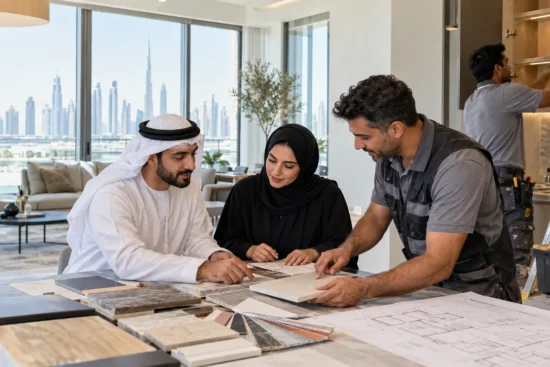
Yes, foreigners can buy property in Dubai, including both residents and non-residents, as long as the property is located in designated freehold areas.
Dubai’s real estate laws allow you to own, sell, lease, or inherit property with minimal restrictions, making it one of the most accessible global markets for international buyers.
Here are the key takeaways you should know:
- You can own freehold property with full ownership rights
- You only need a valid passport to purchase
- There is no property tax or rental income tax
- You can buy property without living in the UAE
- Investment may qualify you for a residency or Golden Visa
Dubai’s transparent legal framework, investor-friendly policies, and strong returns continue to attract foreign investors worldwide. Understanding how the system works helps you make informed and confident decisions.
What Is The Current Legal Status Of Foreign Property Ownership In Dubai In 2026?

In 2026, foreigners can legally buy property in Dubai with full ownership rights in designated freehold areas. This applies to both expatriates living in the UAE and non-resident international investors.
Dubai’s property laws remain stable and investor-friendly, regulated by the Dubai Land Department (DLD).
As a foreign buyer, you are allowed to purchase residential or commercial property without needing UAE citizenship or residency. The system is designed to be simple, transparent, and secure.
Key highlights include:
- You can own freehold property outright, including the land
- Leasehold options are also available for up to 99 years
- No requirement for a local sponsor or partner
- No age restriction for property ownership
- Transactions are registered and protected by government authorities
Dubai continues to strengthen its position as a global property investment hub by maintaining clear regulations and streamlined processes.
As one real estate consultant explained,
“Foreign buyers are often surprised by how straightforward the process is. You don’t need complicated approvals, just the right property in the right area. That simplicity is what makes Dubai stand out globally.”
Who Qualifies as a Foreigner Eligible to Buy Property in Dubai?
In Dubai, the term “foreigner” includes both expatriates residing in the UAE and non-residents living abroad. You do not need to hold a UAE residence visa to purchase property, which makes the market highly accessible to global investors.
Anyone with a valid passport can qualify to buy property, provided the purchase is made in approved freehold zones. There are no nationality restrictions, meaning buyers from almost any country can invest in Dubai real estate.
Here’s how eligibility works:
- Non-residents: You can buy property without living in the UAE
- Expat residents: You can purchase property while working or living in Dubai
- Individual buyers: Most purchases are made under personal ownership
- Company ownership: Businesses can also invest in certain cases
There is also no strict minimum age limit stated in law, although financial institutions may have their own criteria when offering mortgages.
From a legal perspective, the Dubai government ensures equal ownership rights within designated zones. Once you purchase a property, your name is registered in the official government system, and you receive a title deed.
A property advisor noted,
“We see buyers from Europe, Asia, and the Americas entering the market every day. The rules apply equally to all, which builds confidence. It’s one of the few places where foreign ownership feels truly secure.”
What Types of Property Can Foreigners Buy in Dubai?
When you explore whether foreigners can buy property in Dubai, understanding the types of ownership available is essential. Dubai offers two main categories: freehold and leasehold properties. Each comes with its own rights, benefits, and limitations.
These options allow you to choose based on your investment goals, whether you want full ownership or a long-term usage arrangement.
What Is Freehold Property Ownership in Dubai?
Freehold ownership is the most popular and preferred option for foreigners. It gives you complete ownership of both the property and the land it is built on.
With freehold property, you can:
- Sell, lease, or transfer ownership at any time
- Pass the property to your heirs
- Renovate or modify within regulations
- Earn rental income without restrictions
The Dubai Land Department registers your ownership and issues a title deed, confirming your legal rights. Freehold properties are typically located in designated zones such as Dubai Marina and Downtown Dubai.
This ownership model provides long-term security and is ideal for both investors and end-users.
What Is Leasehold Property and How Does It Work?
Leasehold ownership allows you to use and occupy a property for a fixed period, usually up to 99 years. However, you do not own the land itself.
Key features of leasehold property include:
- The right to use the property for a long-term period
- Lower purchase cost compared to freehold
- Limited ability to modify the structure
- Ownership reverts to the landlord after lease expiry
Leasehold can be suitable if you are looking for a more affordable entry into the Dubai property market. However, it offers less flexibility compared to freehold ownership.
Understanding these two property types helps you align your investment with your long-term plans and financial goals.
Which Areas in Dubai Are Open to Foreign Property Ownership?
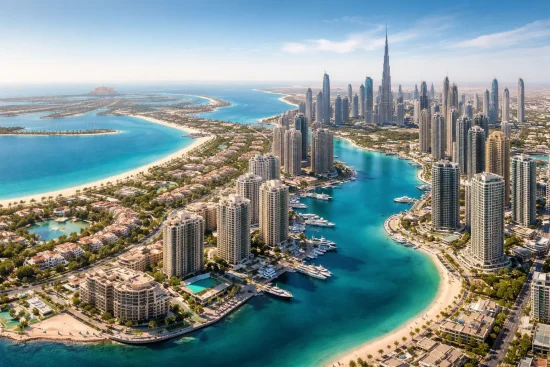
Foreign property ownership in Dubai is limited to specific locations known as freehold areas. These zones are officially designated by the government under Regulation No. 3 of 2006, ensuring clarity and legal protection for foreign investors.
These areas are among the most developed and sought-after communities in Dubai, offering a mix of luxury, mid-range, and affordable properties.
What Are the Most Popular Freehold Areas for Foreigners?
Some of the most attractive and high-demand areas include:
- Dubai Marina – Waterfront living with strong rental demand
- Downtown Dubai – Home to iconic landmarks and premium properties
- Palm Jumeirah – Luxury villas and beachfront apartments
- Business Bay – Commercial and residential investment hub
- Jumeirah Village Circle (JVC) – Affordable and family-friendly
- Dubai Hills Estate – Modern community with green spaces
These areas are known for high rental yields, modern infrastructure, and strong resale value.
Are There Affordable Areas for Foreign Buyers in Dubai?
If you are looking for budget-friendly options, Dubai also offers several emerging communities:
- International City
- Dubai Sports City
- Arjan
- Dubai Production City
These areas provide lower entry prices while still offering access to essential amenities and growth potential.
A market analyst shared,
“The range of areas available is what makes Dubai unique. Whether you’re investing $150,000 or $2 million, there’s a location that fits your strategy. That flexibility keeps demand consistently high.”
What Are the Legal Requirements to Buy Property in Dubai as a Foreigner?
Buying property in Dubai as a foreigner is legally straightforward, but you must follow specific regulations set by the Dubai Land Department. These rules ensure transparency and protect both buyers and sellers.
You do not need UAE residency to purchase property, but the property must be located in a designated freehold area.
Key legal requirements include:
- A valid passport to confirm your identity
- Agreement on property terms between buyer and seller
- Signing a Memorandum of Understanding (MOU or Form F)
- Obtaining a No Objection Certificate (NOC) from the developer
- Completing the ownership transfer through the DLD
The process is regulated and documented at every stage, ensuring legal clarity. Once the transfer is complete, the property is officially registered in your name.
Working with a licensed real estate agent registered under RERA is strongly recommended to avoid risks and ensure compliance.
What Documents Do You Need to Buy Property in Dubai?

To purchase property in Dubai as a foreigner, you need to prepare a set of essential documents. The process is relatively simple compared to many global markets.
The primary requirement is your passport, which serves as your identification throughout the transaction.
Additional documents may include:
- Passport copy (mandatory for all buyers)
- Emirates ID (if you are a UAE resident)
- Proof of funds or bank statements
- Mortgage pre-approval documents (if financing is involved)
- Signed sale agreement (Form F/MOU)
- Title deed copy (from the seller)
If you are applying for a mortgage, banks may require additional paperwork such as income proof and credit history.
Ensuring your documents are complete and accurate helps avoid delays and ensures a smooth transaction process.
How Do You Buy Property in Dubai as a Foreigner Step by Step?
Buying property in Dubai as a foreigner follows a clearly defined and government-regulated process. This structure is designed to protect you as a buyer, ensure transparency, and reduce the risk of disputes.
Whether you are purchasing for personal use or investment, understanding each stage helps you move forward with confidence and avoid costly mistakes.
Below is a detailed breakdown of each step, expanded to give you practical clarity on what to expect.
Step 1: How Do You Choose the Right Property and Location?
The first and most important step is defining your purpose. Before looking at listings, you need to be clear about why you are buying.
Ask yourself:
- Are you buying to live in the property or for rental income?
- Are you aiming for short-term gains or long-term appreciation?
- What is your budget range, including additional costs?
Once your goal is clear, focus on selecting the right location. In Dubai, foreigners can only buy in designated freehold areas, so your search should be limited to those zones.
When evaluating locations, consider:
- Rental demand and expected returns (ROI)
- Proximity to business hubs, transport, and amenities
- Developer reputation and community infrastructure
- Future development plans in the area
For example, if your goal is rental income, areas like Dubai Marina or Business Bay may offer higher yields. If you want a family-friendly environment, communities like JVC or Dubai Hills Estate may be more suitable.
Working with a RERA-registered real estate agent at this stage can help you shortlist properties faster and avoid unreliable listings.
Step 2: Should You Choose Off-Plan or Ready Property?
Once you’ve selected a location, the next decision is whether to buy an off-plan property or a ready (completed) property.
Off-plan properties are purchased directly from developers before construction is completed. These are often more affordable and come with flexible payment plans.
Advantages of off-plan:
- Lower initial price compared to ready properties
- Flexible instalment-based payment plans
- Potential for capital appreciation before completion
However, there are risks:
- Construction delays
- Market fluctuations before handover
On the other hand, ready properties are fully built and available for immediate use.
Advantages of ready properties:
- Immediate move-in or rental income
- Clear visibility of the property condition
- Lower risk compared to off-plan
The choice depends on your financial flexibility, risk tolerance, and investment timeline.
Step 3: How Do You Arrange Financing or Mortgage?
If you are not purchasing the property outright with cash, you will need to arrange financing.
Foreigners can obtain mortgages in Dubai, but the process requires preparation. The first step is to apply for mortgage pre-approval from a UAE bank. This helps you understand how much you can borrow and strengthens your position as a buyer.
Key points to consider:
- Non-residents usually need a 25% to 30% down payment
- Loan eligibility depends on income, employment, and credit history
- Interest rates and terms vary between banks
Documents typically required include:
- Passport copy
- Proof of income
- Bank statements
- Credit history
Getting pre-approval before starting your property search is highly recommended. It prevents delays and ensures you only consider properties within your financial capacity.
Step 4: What Happens During the Agreement and Deposit Stage?
Once you’ve selected your property and agreed on the price with the seller, the transaction moves into the agreement stage.
At this point, both parties sign a Memorandum of Understanding (MOU), also known as Form F. This is a legally binding document that outlines the terms and conditions of the sale.
During this stage:
- You sign the MOU in the presence of both parties
- You pay a deposit (usually 10% of the property value)
- The terms of payment, timelines, and responsibilities are finalised
Additional steps may include:
- The seller applies for a No Objection Certificate (NOC) from the developer
- Verification of outstanding service charges or liabilities
This stage is critical because it legally commits both buyer and seller to the transaction. Ensuring all details are accurate and clearly understood is essential.
Step 5: How Is Ownership Transferred in Dubai?
The final step is the official transfer of ownership, which takes place through the Dubai Land Department (DLD).
Both buyer and seller (or their representatives) must visit a DLD-approved trustee office to complete the process.
During the transfer:
- You pay the remaining property amount
- You settle all applicable fees (DLD fee, registration, etc.)
- The ownership is officially registered in your name
Once the process is complete:
- You receive a title deed issued by the Dubai Land Department
- This document confirms your legal ownership of the property
The transfer process is typically quick and can often be completed within a day if all documents are in order.
This structured, step-by-step approach is one of the reasons why Dubai’s real estate market is considered transparent and investor-friendly. Every stage is documented, regulated, and legally protected, giving you confidence throughout the purchase journey.
By following these steps carefully and working with licensed professionals, you can ensure a smooth and secure property buying experience in Dubai.
How Much Does It Cost to Buy Property in Dubai?

Buying property in Dubai involves more than just the purchase price. As a foreign buyer, you need to account for several one-time transaction costs that are regulated by government authorities and service providers.
Understanding these costs in advance helps you plan your budget accurately and avoid surprises during the transfer stage.
The highest cost is the Dubai Land Department (DLD) transfer fee, which is mandatory for all property transactions. In addition, there are administrative, agency, and optional financing-related charges.
Here is a clearer breakdown of the typical costs:
Cost Component Typical Amount
DLD Transfer Fee 4% of property value
Registration Fee AED 2,000–4,000
Agency Fee ~2% of the property price
Mortgage Fee ~1% of the loan amount
Trustee Fee AED 4,000–5,000
What These Costs Mean for You?
- DLD Transfer Fee (4%): This is the largest mandatory fee and is paid to officially register the property under your name.
- Registration Fee: Covers administrative processing and documentation.
- Agency Fee (~2%): Paid to the real estate broker who facilitated the transaction.
- Mortgage Fee (~1%): Applicable only if you take a home loan; covers bank processing and valuation.
- Trustee Fee: Paid at the transfer office where ownership is legally completed.
In total, you should typically budget around 6% to 8% of the property value in additional costs.
One of the biggest advantages of buying property in Dubai is the absence of annual property tax or capital gains tax. This significantly lowers your long-term ownership costs compared to markets like the US or UK.
For example, if you purchase a property worth AED 1 million, your additional upfront costs may range between AED 60,000 and AED 80,000, depending on whether financing is involved.
Can Foreigners Get a Mortgage in Dubai?
Yes, foreigners can obtain mortgages in Dubai, including both expatriate residents and non-residents. However, the terms, eligibility criteria, and available options may vary depending on your residency status, income level, and financial profile.
Banks in the UAE carefully assess your ability to repay the loan before approving a mortgage. While the process is accessible, it is generally more straightforward for residents than for non-residents.
Here is a general overview of mortgage conditions:
Criteria Details
Down Payment 25–30% (non-residents)
Loan Tenure Up to 25 years
Interest Rates Vary by bank
Documents Passport, income proof, bank statements
What You Should Know Before Applying?
- Higher Down Payment: As a non-resident, you are usually required to pay at least 25%–30% upfront.
- Loan Tenure: Mortgages can extend up to 25 years, depending on your age and financial profile.
- Interest Rates: These can be fixed or variable and differ across banks.
- Eligibility Factors: Banks evaluate your monthly income, employment status, credit history, and country of residence.
Documents Typically Required
To apply for a mortgage, you will usually need:
- A valid passport
- Proof of income (salary slips or business income records)
- Recent bank statements
- Credit report (if applicable)
Important Considerations
- Non-residents may have fewer lender options compared to UAE residents
- Mortgage approval can take time, so pre-approval is highly recommended
- Currency exchange fluctuations may affect repayment if your income is in another currency
Despite these considerations, financing remains widely available, and many international buyers successfully purchase property in Dubai using mortgages.
In practical terms, if you plan your finances carefully and secure pre-approval early, getting a mortgage in Dubai as a foreigner can be a smooth and manageable process.
What Are The Benefits Of Buying Property In Dubai As A Foreigner?

Dubai has positioned itself as one of the most attractive real estate markets for international buyers.
If you are considering whether foreigners can buy property in Dubai, the benefits go far beyond just ownership; they directly impact your financial returns, lifestyle options, and long-term security.
One of the biggest advantages is the tax-friendly environment. Unlike many global cities, Dubai does not impose property tax or rental income tax.
This means that the income you generate from renting out your property remains largely untouched, allowing you to maximise your returns.
Another major benefit is high rental yields, which typically range between 6% and 8%, and in some areas even higher. Compared to cities like London or New York, where yields are often lower, Dubai offers stronger income potential for investors.
Key benefits include:
- No property tax or capital gains tax, reducing long-term costs
- Consistently high rental yields, driven by strong demand
- World-class infrastructure, including transport, healthcare, and education
- Global connectivity is making it a hub for business and tourism
- Transparent legal framework, regulated by the Dubai Land Department
- Eligibility for residency visas, adding lifestyle and mobility benefits
In addition, Dubai’s real estate market offers a wide range of options, from affordable apartments to luxury waterfront villas, allowing you to choose based on your budget and investment strategy.
These combined advantages create a stable and rewarding environment for both first-time buyers and experienced investors.
Can Buying Property In Dubai Give You A Residency Or Golden Visa?
Yes, buying property in Dubai can provide access to residency options, making it more than just a financial investment. For many foreign buyers, the opportunity to live, work, or stay long-term in the UAE adds significant value to the purchase.
The UAE government has introduced property-linked visa programs to attract international investors. These programs are straightforward and based primarily on the value of your real estate investment.
What Is The Minimum Investment For A UAE Property Visa?
The type of visa you can obtain depends on the value of your property:
- AED 750,000 or more → Eligible for a 2 to 3-year renewable residency visa
- AED 2 million or more → Eligible for a 10-year Golden Visa
The Golden Visa is particularly attractive because it offers long-term stability without the need for a local sponsor. It also allows you to sponsor family members and enjoy extended residency benefits.
What Are The Conditions For Visa Eligibility?
To qualify for a property-linked visa, you must meet specific requirements:
- The property must meet the minimum value threshold set by the authorities
- Ownership must be fully registered with the Dubai Land Department
- The property should be retained for a certain period (depending on visa type)
- The investment must be in eligible property types within approved zones
It’s also important to note that while buying property can make you eligible for a visa, the approval process is handled separately by immigration authorities.
Overall, these visa options provide flexibility. You can live in Dubai, manage your investment, or simply maintain residency while benefiting from the country’s business-friendly environment.
Are There Any Risks Or Limitations For Foreign Property Buyers In Dubai?

While Dubai is widely considered a safe and transparent market, it is important to understand the potential risks and limitations before making a purchase. Being aware of these factors helps you make informed decisions and avoid unexpected challenges.
Here are some key considerations:
Risk Factor Explanation
Limited Zones Foreigners can only buy in designated freehold areas
Market Fluctuation Property prices can rise or fall based on demand
Developer Risk Off-plan projects may face delays or changes
Financing Limits Mortgage options may be restricted for non-residents
What These Risks Mean For You?
- Limited Zones: You cannot buy property anywhere in Dubai; your options are restricted to approved freehold areas. However, these areas are typically well-developed and investor-friendly.
- Market Fluctuations: Like any real estate market, Dubai experiences cycles. Prices may increase during high demand and adjust during slower periods.
- Developer Risk: If you choose off-plan property, delays in construction or changes in project timelines can occur.
- Financing Limitations: Non-residents may face stricter mortgage requirements, including higher down payments.
Despite these risks, Dubai has implemented strong regulations to protect buyers, including escrow accounts for off-plan projects and strict developer oversight.
By conducting proper research and working with licensed professionals, you can significantly reduce these risks and invest with confidence.
Is Buying Property In Dubai A Good Investment For Foreigners?
Yes, buying property in Dubai is widely considered a strong investment opportunity for foreigners. The combination of tax-free income, high rental yields, and global demand makes it stand out compared to many international markets.
Dubai offers competitive property prices relative to major cities like London or New York, while delivering higher returns on investment. This balance of affordability and profitability attracts both individual investors and large-scale buyers.
In addition, the city’s growing population, expanding infrastructure, and increasing tourism continue to drive demand for both residential and rental properties.
Whether you are looking for steady rental income or long-term capital appreciation, Dubai provides flexibility and growth potential. With the right strategy and location, your investment can deliver both financial returns and lifestyle benefits.
Conclusion
Dubai has firmly established itself as one of the most accessible and attractive property markets for foreign buyers. With clear laws, tax advantages, and a wide range of investment options, you can confidently enter the market whether you are a resident or not.
By understanding freehold areas, legal requirements, and the step-by-step buying process, you can make informed decisions and avoid common pitfalls. Dubai’s transparent system and strong investor protections further enhance its appeal.
If your goal is to secure a profitable investment or a second home in a global city, Dubai offers a balanced combination of opportunity and stability. Taking the right approach ensures you maximise both financial returns and long-term benefits.
FAQs
Can foreigners buy property in Dubai without residency?
Yes, you can buy property without being a UAE resident as long as it is in a freehold area.
Can foreigners own property 100% in Dubai?
Yes, freehold ownership allows full ownership of both property and land.
Is property in Dubai tax-free?
Yes, there are no property taxes or rental income taxes.
Can foreigners rent out their property?
Yes, you can legally rent out your property and earn income.
Do foreigners need a visa to buy property?
No, a visa is not required to purchase property.
Can foreigners sell property anytime?
Yes, you can sell your property at any time.
Is Dubai real estate safe for investment?
Yes, Dubai has a regulated and transparent real estate market.