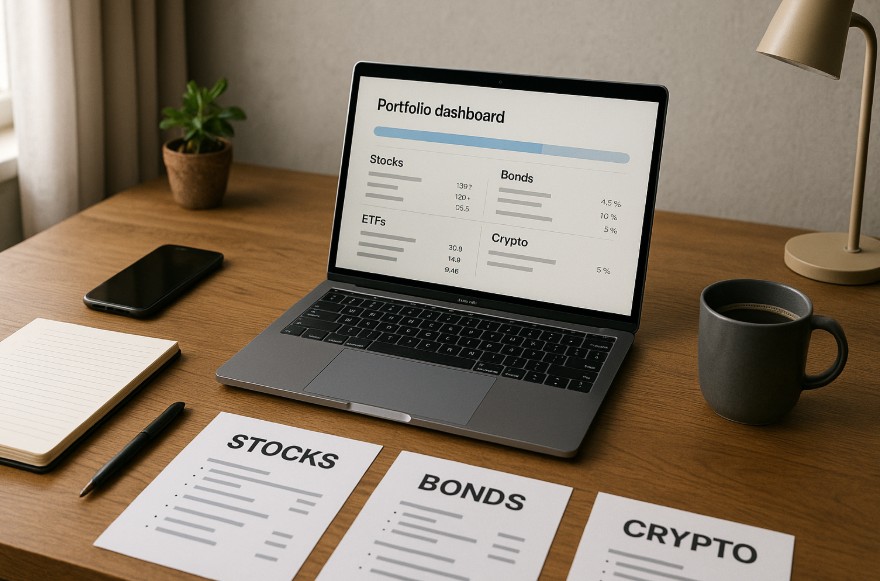
For decades, the standard advice was simple: buy stocks for growth, buy bonds for safety, and maybe add some gold if you were feeling adventurous. That playbook doesn’t quite cut it anymore. Modern markets are crowded and often move in sync, making true diversification harder to find.
This is where digital assets have crashed the party. They aren’t just a speculative side-bet anymore; for many, they are a necessary tool for building a portfolio that can actually weather a storm. It’s not about going “all in”, it’s about finding an edge in a stagnant environment.
Why Bother With the Risk?

The biggest reason to look at this asset class isn’t just the flashy 100x gains you see on Twitter; it’s the lack of correlation. Most of the time, when the S&P 500 takes a nosedive, cryptocurrency doesn’t necessarily follow suit. It has its own drivers that have nothing to do with interest rate hikes or quarterly earnings reports.
Adding a slice of this to a traditional mix can act like a shock absorber. Even a tiny allocation, say 2% or 3%, can drag up the average return of a portfolio without exposing the whole thing to ruin. It’s asymmetric warfare for your finances, the downside is capped at what you put in, but the upside has no theoretical ceiling.
The Ugly Side of the Coin
This market is a wild animal. You don’t get those potential returns without accepting stomach churning drops. Waking up to see your portfolio down 15% because of a rumor in a Telegram group is a rite of passage here. If you panic sell, you lose. It requires a different kind of psychological armor than trading Apple or Coca-Cola.
Then there is the technical headache. You can’t just call a customer service line if you send funds to the wrong address. The responsibility is entirely on you. Wallets, seed phrases, and two-factor authentication are the new barrier to entry. One slip-up in security can mean total loss, a concept that simply doesn’t exist in traditional banking.
How to Survive the Ride?

How do you handle this without losing your sleep? You need a system that protects you from your own emotions. The worst thing you can do is trade based on “FOMO” or fear.
Here is a practical framework for keeping things sane:
- The 5% Rule: Never let crypto make up more than a small single-digit percentage of your total liquid worth. If it goes to zero, it hurts, but you’ll survive. If it moons, you still make a fortune.
- Rebalance Ruthlessly: If your crypto pumps and becomes 10% of your portfolio, sell half of it. Take those profits and buy boring stuff like index funds. It feels counterintuitive to sell winners, but it’s the only way to lock in wealth.
- Ignore the Noise: The news cycle in this industry is 24/7 and mostly garbage. Focus on the long-term adoption of the technology, not the hourly price chart.
- Use Cold Storage: If you have significant capital invested, get it off the exchange. A hardware wallet is the only way to truly own your assets.
Free from Limitations
Adding crypto to your investment mix is a high-risk, high-reward play that demands respect and rigorous discipline. It isn’t for everyone, but for those willing to learn the ropes, it offers a unique way to break free from the limitations of traditional finance. Treat it like fire: useful for cooking, dangerous if left unattended.