Have you ever dreamed of running your own cafeteria in Dubai but felt confused about the licensing costs and procedures? You’re not alone. Dubai’s booming food and beverage sector attracts countless entrepreneurs, yet one of the most frequent questions is How much does it really cost to get a cafeteria license? Whether you’re planning a cozy takeaway spot or a mid-scale dine-in space, understanding the licensing cost is critical before you invest.
The cost of a cafeteria license in Dubai typically ranges between AED 24,000 and AED 35,000. However, this can fluctuate based on several key factors, including location, business scale, and additional government approvals. This comprehensive guide answers your pressing questions and gives you the financial clarity needed to kick-start your business journey in one of the world’s most dynamic food destinations.
What Is a Cafeteria License in Dubai?
If you’re aiming to legally serve food and beverages in Dubai, obtaining a cafeteria license is not optional, it is mandatory. This license, issued by the Department of Economic Development (DED), officially authorizes you to operate a small to mid-scale food outlet like a tea shop, cafe, or cafeteria that doesn’t serve alcohol.
The cafeteria license covers operations for dine-in, takeaway, or delivery services. In addition to the DED license, several other permits from authorities like Dubai Municipality and Civil Defense are required. These ensure your outlet complies with hygiene, fire safety, and food handling regulations.
Here’s why it’s essential to secure this license:
- It legally permits you to prepare and sell food and beverages
- It ensures your cafeteria complies with local food safety standards
- It enables you to hire staff legally and operate a business bank account
- It allows you to secure commercial tenancy contracts under Ejari
- It builds customer trust by showing that you meet regulatory standards
Operating without a proper license can result in penalties, forced closure, or blacklisting. So if your goal is to run a professional and profitable food venture in Dubai, getting licensed is the first and most crucial step. With legal approval in place, your cafeteria is not only compliant but also positioned for growth in a highly competitive market.
How Much Does It Cost to Get a Cafeteria License in Dubai?

The cost of a cafeteria license in Dubai ranges from AED 24,000 to AED 35,000. But this estimate covers only the essential licensing and government approvals. To give you a more precise understanding, let’s break down the key components contributing to the overall cost.
The starting point for this process is securing approvals from the DED, followed by getting clearance from the Dubai Municipality, Civil Defense, and other relevant departments. These approvals guarantee that your business adheres to food safety and operational regulations.
Estimated Cost Range: AED 24,000 – AED 35,000
This total includes initial registration, approvals, and other regulatory requirements.
Below is a detailed breakdown of the typical expenses involved:
| Cost Component | Estimated Cost (AED) |
| Trade Name Registration | 620 to 750 |
| Initial DED Approval | 220 to 420 |
| Drafting & Notarization of MOA | 2,000 to 3,000 |
| Tenancy Contract (Ejari Registration) | 500 |
| Dubai Municipality & Food Safety Permits | 5,000 to 10,000 |
| Civil Defense Approval | Included in external fees |
| Immigration Card & Company Stamp | 600 to 800 |
| Final License Fee (Trade + Activity) | 10,000 to 25,000 |
| Total Estimated Licensing Cost | 24,000 to 35,000 |
Factors Affecting Cost (Mainland vs. Free Zone)
- Mainland Cafeterias: Higher cost due to stricter approval processes and more required documentation.
- Free Zones: May offer cheaper licenses with fewer inspections but limit trade to within the Free Zone unless distribution permits are obtained.
Trade License, Name Registration, and Core Fees
These are unavoidable parts of the licensing process and are necessary for both mainland and Free Zone cafeterias. From reserving your trade name to paying DED activity fees, these charges form the foundation of your license budget.
Although licensing may seem expensive, proper budgeting and planning help you avoid delays and costly surprises. With the right setup, your cafeteria can begin generating income shortly after launch.
What Factors Influence Cafeteria License Costs in Dubai?
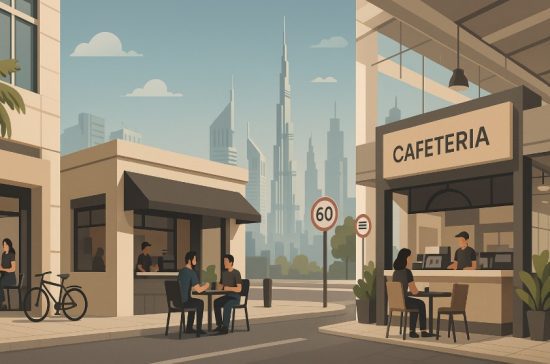
Every cafeteria has its own licensing journey, influenced by specific factors that shape the final cost. Whether you plan a small takeaway corner or a dine-in space in Downtown Dubai, the following variables can affect your budgeting significantly.
Does the Business Location Affect the License Cost?
Yes, the location plays a significant role in the cost. Setting up in a Free Zone may offer lower upfront fees, but it limits your trade to within that zone unless extra permits are secured. On the other hand, establishing a cafeteria on the mainland provides broader trading freedom but comes with higher government charges and documentation needs.
Prime commercial areas like Sheikh Zayed Road, Downtown, and Jumeirah are more expensive. Rent is higher, and approvals from zoning authorities can be more complex. Remote areas or new developments might offer lower costs but could also mean limited foot traffic.
How Does the Size and Scale of Your Cafeteria Play a Role?
The bigger your outlet, the more approvals and safety compliance requirements you’ll need. Larger premises often demand more advanced kitchen equipment, extra staff, and higher utility provisions, which all require permits.
- Small Takeaway Cafeterias: Require fewer modifications and minimal approvals.
- Mid-Sized Cafeterias: Need extensive layout plans, staff accommodation, and more fit-out inspections.
- Large Branded Cafeterias: Incur costs for interior design approval, architectural planning, and added sustainability checks.
The scale directly impacts labor quotas, food safety equipment requirements, and even fire control approvals from the Civil Defense.
Are Additional Certifications or Approvals Required?
Yes, in most cases. Some commonly needed certifications include:
- Food Safety Approvals: For kitchen layout, food storage, hygiene protocols, and compliance with the Dubai Food Code.
- Civil Defense Clearance: For fire safety and emergency preparedness.
- Sustainability Certification: Especially in new developments and high-end malls.
- Pest Control Contracts and Waste Management Plans: These ensure hygiene compliance.
- Health Cards for Staff: Mandatory after passing medical tests with Emirates Health Services.
These add-on certifications, while essential, increase overall licensing expenses. However, skipping any of these can lead to delays or rejections in your final application. Knowing these factors helps you anticipate hidden expenses and navigate the process more efficiently, saving both time and money during setup.
What Other Startup Costs Should You Expect Besides Licensing?

While licensing is essential, it’s only one part of your total investment. A large portion of your initial budget will go toward setting up the physical space and launching operations.
Below is a breakdown of key startup expenses:
| Expense Category | Estimated Cost (AED) | Description |
| Rent | 40,000 to 120,000+ per year | Varies by location, space size, and proximity to high-footfall areas |
| Fit-Out & Interiors | 100,000 to 200,000+ | Includes furniture, lighting, flooring, and branding elements |
| Kitchen Equipment | 50,000 to 150,000 | Depends on menu type and equipment quality like ovens, fryers, and refrigeration |
| Staff Salaries & Visas | 20,000 to 50,000+ | Includes initial hiring, onboarding, and employee visa processing |
| Inventory & Stock | 10,000 to 20,000 | Covers ingredients, packaging, and disposable supplies for your launch phase |
| Branding & Marketing | 5,000 to 15,000 | Includes digital marketing, signage, uniforms, and promotional campaigns |
Planning for these expenses ensures your cafeteria runs smoothly from day one, helping you avoid delays and operational hiccups.
What Documents Are Required to Apply for a Cafeteria License?
To apply for your cafeteria license in Dubai, you need to prepare a complete set of legal documents. These form the basis of your application with the DED and other authorities.
- Passport copies of all business partners or owners
- Emirates ID (if available)
- Tenancy Contract (Ejari registered)
- Trade Name Reservation Certificate
- Initial Approval Certificate from the DED
- Approved Layout Plan for the kitchen and seating areas
- Memorandum of Association (MOA) notarized for partnerships or LLCs
- NOC from existing sponsors (if applicable)
- Pest control and waste management plan
- Equipment and food storage details
Submitting all these documents correctly and early helps avoid delays. Working with a PRO or consultant can streamline this stage further.
What Is the Step-by-Step Process to Obtain a Cafeteria License?
The cafeteria license process in Dubai follows a clear path but requires close attention to details. Missing even one step could result in delays or resubmissions.
- Conduct initial market research and create a business plan
- Choose your business legal structure (LLC, sole proprietorship, etc.)
- Reserve your trade name with the DED
- Get initial DED approval to proceed
- Finalize a commercial location and register your Ejari
- Submit the kitchen layout for Dubai Municipality approval
- Apply for fire safety clearance from Civil Defense
- Secure all external approvals including pest control and food hygiene permits
- Receive your final trade license after all documents and inspections are cleared
- Apply for staff visas, health cards, and start recruiting
- Launch operations with a soft opening and digital promotion
By following this step-by-step roadmap, you can set up your cafeteria legally and professionally.
How Can You Reduce the Cost of a Cafeteria License and Setup in Dubai?

Saving smartly doesn’t mean cutting corners. There are effective ways to lower your initial investment without compromising compliance.
- Start with a small or takeaway-style cafeteria to limit rent and setup
- Negotiate a rent-free fit-out period with your landlord (common in new developments)
- Choose Free Zone options if your business is delivery-focused or digital
- Bundle services through business setup consultants who offer packages
- Use certified contractors familiar with Dubai’s food code for faster approvals
- Purchase pre-owned kitchen equipment to reduce costs
- Avoid unnecessary design features that increase fit-out charges
These cost-reduction tips can significantly lighten your financial burden while still keeping your setup professional and compliant.
Is Starting a Cafeteria in Dubai a Profitable Business?
Yes, a cafeteria in Dubai can be a profitable venture when located strategically and managed efficiently. With a growing population and thriving tourism, demand for affordable dining is high.
Some benefits include:
- Access to a large and diverse customer base
- Lower operating costs compared to full-service restaurants
- High daily foot traffic in residential and business areas
- Fast turnover and lower food waste with limited menus
- Government incentives for small business owners
- Flexibility in business models (cloud kitchens, dine-in, takeaway)
A well-run cafeteria can achieve break-even within the first 12 months, especially if aligned with local dining habits and positioned in busy neighborhoods.
Conclusion
Starting a cafeteria in Dubai is both an exciting and strategic opportunity for entrepreneurs aiming to enter the vibrant food scene. While the license cost generally falls between AED 24,000 and AED 35,000, your actual startup investment will be shaped by location, business scale, and compliance factors.
Understanding each step of the licensing process and accounting for all approvals helps avoid delays and overspending. With the right approach and proper budgeting, your cafeteria can move from idea to reality smoothly, with strong potential for profit in Dubai’s dynamic F&B landscape.
FAQs
How long does it take to get a cafeteria license in Dubai?
The process typically takes 2 to 4 weeks if all documents and approvals are in place.
Can you open a cafeteria in a residential area in Dubai?
Yes, but you need location approval from Dubai Municipality for compliance with zoning rules.
What’s the difference between a cafeteria and a restaurant license?
A cafeteria license supports small-scale, quick-service dining while a restaurant license covers full-service dining with broader menus.
Is a local sponsor required for a cafeteria in Dubai?
A local sponsor is mandatory for mainland businesses unless you opt for a Free Zone setup.
Do you need separate food safety permits?
Yes, you need approvals for kitchen layout, hygiene practices, and staff health from the Municipality.
What’s the average rent for a small cafeteria location?
Rent varies widely but typically starts at AED 40,000 and goes up based on the area.
Is a cloud kitchen operation allowed under a cafeteria license?
Yes, cloud kitchens are permitted and often use the same license with adjusted approvals.