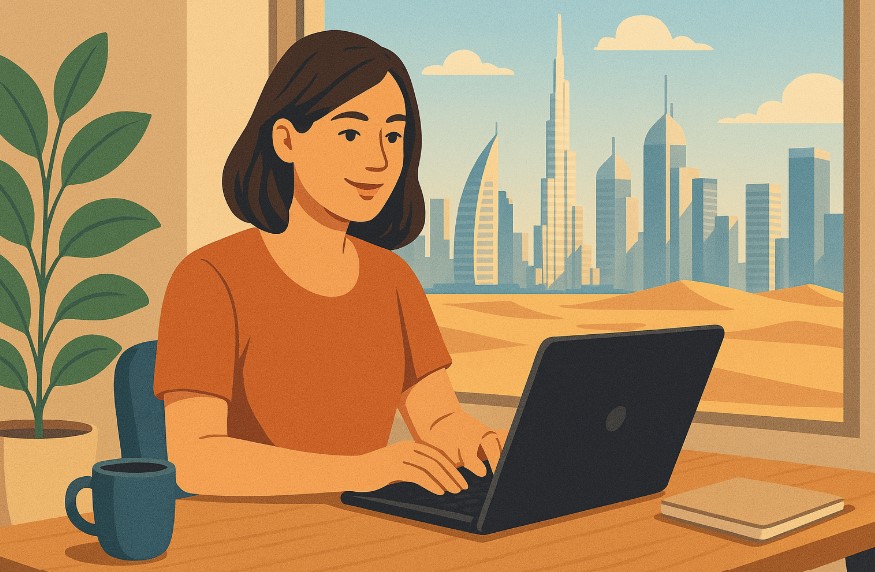
Is the UAE ready for a remote-first work culture? And are you prepared for a work-from-home day tomorrow? As flexible work arrangements become more mainstream, the UAE is embracing remote work like never before.
From government-led announcements to business-driven initiatives, working from home is now a regular part of many professionals’ routines.
Whether it’s in response to severe weather conditions or evolving workplace strategies, the decision to work from home is no longer just a temporary fix, it’s part of a broader cultural shift. But what does this mean for you?
Understanding the benefits, challenges, and expectations of remote work can make a major difference in your productivity and work-life balance.
As you prepare to stay in tomorrow, this guide will help you navigate the ins and outs of working from home in the UAE, ensuring you’re equipped, confident, and ready to succeed.
Why is Work-From-Home Becoming Popular in the UAE?

The UAE has long been a trailblazer in adopting future-forward strategies, and the shift toward remote work is no exception. The pandemic played a critical role in accelerating the move to flexible work models globally, and the UAE responded with agility.
But even post-pandemic, the remote work trend hasn’t slowed down. In fact, it continues to evolve and expand across both government and private sectors.
One major reason behind the popularity of work-from-home arrangements is the proactive involvement of government authorities.
Agencies such as the Ministry of Human Resources and Emiratisation (MOHRE) and the Dubai Government Human Resources Department regularly issue guidelines allowing or recommending remote work during special circumstances, particularly during extreme weather events, national holidays, or major events like COP28 or Expo.
Technological readiness is another crucial factor. With widespread high-speed internet access, cloud infrastructure, and smart government portals, businesses in the UAE are well-equipped to operate remotely without sacrificing productivity or efficiency.
The country’s strong emphasis on digital transformation and sustainability also aligns with the remote work model, further solidifying its position as a future-proof employment approach.
What Are the Key Benefits of Remote Work in the UAE?
Remote work in the UAE offers several advantages that cater to both the individual employee and the larger business ecosystem. With urban centres like Dubai, Abu Dhabi, and Sharjah bustling with activity, avoiding the daily commute can be a significant relief. But the benefits go far beyond convenience.
Here’s a closer look at how remote work supports professionals and companies alike:
- Flexibility and Autonomy: Employees can set up a working environment that fits their lifestyle and working style. This allows for more personalised workflows and can increase overall job satisfaction.
- Time Efficiency: Commuting in cities like Dubai can easily consume 1 to 2 hours daily. Working from home gives you that time back — time that can be reinvested in focused work or personal well-being.
- Cost Savings: Employees save money on fuel, meals, transportation, work attire, and more. Employers benefit from lower overhead costs such as electricity, utilities, and office maintenance.
- Work-Life Balance: Remote work makes it easier to attend to personal commitments. Whether it’s picking up children from school or managing household responsibilities, the ability to blend work and life efficiently is a game-changer.
- Environmental Impact: Fewer vehicles on the road lead to a measurable reduction in carbon emissions. This supports the UAE’s national sustainability goals, particularly as the country aims for net-zero emissions by 2050.
These cumulative benefits create a more resilient, efficient, and balanced work environment for all stakeholders.
How Can You Prepare for a Successful Work-From-Home Day?

Preparing for a work-from-home day isn’t just about logging in from your couch. To remain productive and focused, you need to recreate the discipline and structure of your regular office routine while adapting it to a more comfortable setting.
Follow these strategies to get the most out of your remote day:
- Set Up a Dedicated Workspace: Choose a quiet, comfortable spot that’s free from distractions. Ideally, it should be a separate room or corner equipped with essentials like a laptop, charger, notebook, and ergonomic chair.
- Test Your Technology: Make sure your internet connection is strong and your devices are updated. It’s also smart to have backup data solutions, such as a mobile hotspot, in case of outages.
- Follow a Consistent Routine: Wake up at your usual time, dress professionally, and start your workday with a clear plan. Avoid falling into a casual or inconsistent schedule that can hinder productivity.
- Communicate Clearly: Use messaging platforms and video conferencing tools to stay connected with your team. Clarify deadlines, meeting times, and responsibilities to avoid confusion.
- Organise Your Day: Plan your tasks the night before or first thing in the morning. Use digital planners like Notion, Google Calendar, or Asana to manage deadlines and deliverables.
- Minimise Interruptions: Inform household members of your schedule. Consider using noise-cancelling headphones and setting “do not disturb” hours during critical work periods.
Creating a well-prepared environment allows you to perform at your best, even when you’re away from your physical office.
What Challenges Do Remote Workers Face in the UAE?
While working from home has many advantages, it’s not without challenges. Being aware of potential issues in advance can help you manage them proactively and ensure a smoother experience.
Here are some common hurdles remote workers face:
- Social Isolation: Lack of in-person interaction can affect morale and mental health. It’s important to schedule virtual coffee chats or informal check-ins with colleagues to maintain relationships.
- Household Distractions: From family members to household chores, the home environment can sometimes interfere with work. Designated workspaces and time blocks can help separate personal life from professional obligations.
- Overworking: Without a clear end to the workday, it’s easy to keep working into the night. Set firm boundaries and schedule regular breaks to maintain balance.
- Technical Issues: Dependence on digital tools means any tech failure can disrupt your entire day. Make sure you have access to IT support or troubleshooting resources.
- Reduced Collaboration: Remote work can make it harder to brainstorm, problem-solve, or share feedback in real-time. Scheduling structured meetings and using collaborative tools like Slack or Microsoft Teams can help maintain alignment.
By planning for these challenges, you can build a more resilient and enjoyable remote work setup.
How Can You Stay Productive While Working Remotely?

Maintaining productivity when working from home hinges on self-discipline, structure, and the smart use of tools. You have the freedom to create a rhythm that suits your personality, but consistency is key.
Here are strategies to maintain high performance:
- Start with a Morning Routine: Begin your day with a routine similar to your office day’s breakfast, shower, and professional attire. This sets the tone for a focused workday.
- Set Clear Goals: Define what you need to accomplish before the day ends. Break your goals into smaller, manageable tasks.
- Use Time Management Techniques: Time blocking, Pomodoro technique (25 minutes work, 5 minutes break), or hourly check-ins can keep you on track.
- Avoid Multitasking: Focus on one task at a time to ensure quality. Jumping between tasks leads to mental fatigue and lower output.
- Take Smart Breaks: Step away from your screen periodically. A short walk or stretching break can do wonders for your energy and concentration.
- Leverage Technology: Productivity tools like ClickUp, Evernote, or RescueTime can help you measure and optimise your performance.
Being intentional with your time and tools ensures that your home becomes a productivity hub instead of a distraction zone.
How Can You Make the Most of Work-From-Home Opportunities?
A remote work environment provides a unique chance to grow professionally and personally. Beyond your regular job tasks, work-from-home days can be used to enhance skills, explore new opportunities, and establish a better work-life foundation.
Here’s how to make remote work work for you:
- Upskill Online: Platforms like Coursera, Udemy, or LinkedIn Learning offer courses in everything from data analysis to leadership. These credentials add value to your career profile.
- Explore Freelance Opportunities: With your main work managed effectively, you might explore freelancing on platforms like Upwork or Fiverr. Many professionals in the UAE use remote work flexibility to diversify their income.
- Start a Side Project: Whether it’s a blog, online store, or mobile app idea, remote work allows you the time and headspace to pursue creative ventures.
- Network Virtually: Attend webinars, online events, and virtual meetups related to your industry. These gatherings help you stay informed and connected.
- Improve Digital Communication Skills: Remote work relies on written and video communication. Investing time in improving these skills can help your overall workplace presence.
By approaching remote work as an opportunity rather than a constraint, you unlock new paths for advancement and growth.
What Does the Future Hold for Remote Work in the UAE?
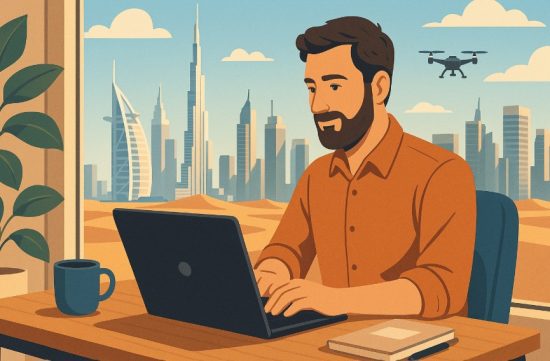
Remote work is no longer a temporary adjustment; it’s becoming a permanent fixture in the UAE’s professional landscape. Businesses have witnessed firsthand that productivity does not decrease when employees work remotely. In many cases, it improves.
The UAE government has supported this trend through various initiatives:
- Remote Work Visas: These allow international professionals to reside in the UAE while working for companies abroad. It’s a move that promotes global mobility and digital entrepreneurship.
- Hybrid Work Models: Many companies now operate with hybrid systems, allowing employees to alternate between office and remote days.
- Tech Investments: Projects under Smart Dubai and UAE Vision 2021 have amplified digital infrastructure and cloud adoption — foundational elements for a remote-friendly economy.
- Public Sector Participation: Government departments have implemented permanent or semi-permanent remote work schedules for non-essential roles.
These developments suggest a future where flexibility isn’t just a perk, it’s the standard.
Is Remote Work Here to Stay in the UAE?
Yes, all trends point to a future where remote work will remain a fundamental part of employment across the UAE. From corporate boardrooms to government departments, leaders are acknowledging the lasting impact of flexible working.
Here’s what’s driving this long-term adoption:
- Improved Employee Satisfaction: Workers report higher morale and better performance when given autonomy.
- Increased Talent Retention: Flexible work is a strong factor in retaining top talent, especially in competitive industries like tech, finance, and marketing.
- Cost-Efficient Operations: Employers save significantly on operational expenses by reducing office space and utilities.
- Sustainability Alignment: Remote work helps meet national sustainability objectives, including energy conservation and emissions reduction.
The UAE is positioning itself as a global hub for flexible work, not just for locals, but also for international professionals and remote-first startups.
Work From Home in UAE: A Quick Comparison Table
| Factor | Traditional Office Work | Work From Home in UAE |
| Commute Time | 1–2 hours/day | None |
| Flexibility | Fixed | High |
| Cost (Meals, Transport) | High | Low |
| Productivity | Varies | Often Higher |
| Work-Life Balance | Often Lacking | Improved |
| Environmental Impact | Higher Emissions | Lower Emissions |
Conclusion
Remote work is no longer just a contingency plan; it’s becoming a lasting fixture in the UAE’s dynamic work environment. Whether driven by government advisories or progressive business strategies, working from home has proven to boost productivity, employee satisfaction, and sustainability.
As digital infrastructure continues to improve and policies adapt to changing workforce needs, professionals like you can expect greater autonomy and flexibility in your career. The key lies in preparation, communication, and a proactive approach to productivity.
By staying connected, organised, and intentional, you can fully embrace the benefits of remote work while overcoming its challenges. As the UAE moves confidently into the future of work, you have the opportunity to grow, adapt, and thrive starting with your next work-from-home day tomorrow.
FAQs
What triggers a work-from-home announcement in the UAE?
Work-from-home days are typically announced due to weather warnings, public safety concerns, or special events. These decisions are usually made by government departments or employers.
Do all employees qualify for work-from-home in the UAE?
Not necessarily. While many roles in administration, tech, and services can go remote, some essential on-site positions are required to be physically present.
How can I know if I’m working from home tomorrow?
Stay updated via official news outlets, company emails, or government portals like MOHRE, which publish timely updates about remote work instructions.
Is there a legal framework supporting remote work in the UAE?
Yes, the Ministry of Human Resources has issued policies that enable regulated remote work, particularly for government departments and certain private sectors.
What tools should I use when working from home?
Common tools include Zoom, Microsoft Teams, Google Workspace, Trello, and Slack. These support communication, collaboration, and productivity.
Can I request remote work even if not officially advised?
You may. Many companies now offer flexible policies that allow remote work upon request, especially for health, family, or logistical reasons.
How does remote work support sustainability in the UAE?
Fewer daily commutes reduce traffic congestion and emissions, aligning with the UAE’s vision for a greener and more sustainable economy.