Are you wondering how to check if your visa is cancelled in the UAE? Whether you’re an expat who recently changed jobs, left the country temporarily, or completed your employment contract, keeping track of your visa status is essential.
The UAE has streamlined immigration services, but confusion can still arise, especially around visa cancellations. Ignoring your visa status could lead to fines, travel restrictions, or legal troubles. That’s why it’s crucial to verify your visa’s current standing.
This guide walks you through everything you need to know about checking your visa cancellation status online. You’ll discover the official channels to use, what each status means, and how to handle common visa-related issues.
Whether you’re checking proactively or out of concern, this article will give you accurate, easy-to-follow information to stay on the right side of UAE immigration laws.
What Is UAE Visa Cancellation?

UAE visa cancellation refers to the process of officially ending your residency or employment visa with the government. It marks the closure of your legal stay in the country and is essential before leaving or changing your visa status.
When you cancel a visa in the UAE, it’s not just about the paperwork. It impacts your ability to live, work, and even re-enter the country. A visa not properly cancelled can cause issues like overstay fines or trouble during your next visit.
Here’s why checking cancellation matters:
- It confirms whether your visa has ended legally.
- Prevents future overstay fines or travel bans.
- Ensures clean records when applying for new visas.
- Helps you plan the next steps, like getting a tourist visa or switching to a different visa type.
In short, confirming your cancellation is not optional, it’s a legal must. A cancelled visa means you are no longer tied to a sponsor and that your obligations in the UAE are officially completed. Whether you’re relocating, changing jobs, or exiting permanently, knowing your visa status protects your future mobility.
Who Is Responsible for Cancelling a UAE Visa?
The responsibility for cancelling a UAE visa depends on the type of visa you hold. Generally, it falls on the sponsor or employer, but there are exceptions.
If you’re on a work visa, your employer is responsible. They must initiate the cancellation process, starting with removing your labour contract and card through the Ministry of Human Resources. After that, they proceed with your visa cancellation through immigration channels.
In contrast, if you hold a residency visa for investment or property ownership, you can apply for cancellation yourself. In this case, you become the acting sponsor and must handle the cancellation using the approved platforms.
Here’s a breakdown:
- Work visa: Employer handles the cancellation through labor and immigration departments.
- Family visa: The sponsor (typically the husband or parent) is responsible.
- Investor or freelance visa: You handle your own cancellation.
To ensure no disruptions in your record, you should always confirm that the cancellation was completed. If you’re unsure, don’t hesitate to request a copy of the cancellation document from your sponsor.
How Can You Cancel Your Visa in the UAE?
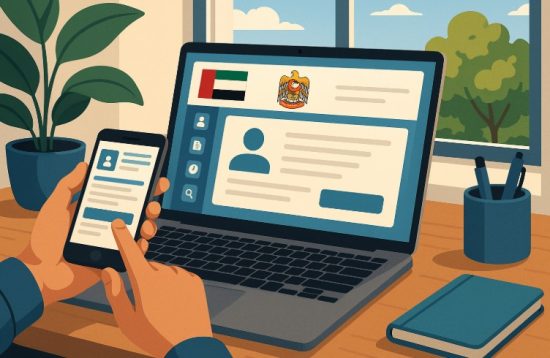
Cancelling your visa in the UAE can be done both online and offline. The method you choose may depend on your visa type, location, or sponsor preferences.
Online Methods
Many users prefer the convenience of online platforms. You can cancel your visa using the official government portals. These services are available for most visa holders and only require a few key documents.
Documents typically needed:
- Your valid passport
- A copy of your Emirates ID
- Copy of the sponsor’s passport or company license
Offline Methods
If you prefer or require in-person service, you can visit authorized visa processing or typing centres. This method is commonly used for more complex cancellations or if you’re not comfortable using digital tools.
Important steps to take before applying:
- Pay all outstanding dues and debts.
- Close bank accounts and cancel utilities.
- Settle your tenancy contract and sell vehicles, if any.
- For work visa holders, ensure gratuity and salary settlements are completed.
Whether online or offline, make sure your visa status updates to “cancelled” and request proof of cancellation for your records. Failure to cancel properly may result in legal complications or re-entry issues.
How to Check if Your Visa Is Cancelled in the UAE?
Checking your visa cancellation status in the UAE is a straightforward process if you know where to look. Whether you’re in the UAE or abroad, it’s possible to track your visa status using official platforms.
The good news is that these services are free, user-friendly, and accessible both online and through mobile applications. Here’s how you can verify your visa status step-by-step.
Can You Check Visa Cancellation Status Online?
Yes, you can check your visa status online. The UAE government has official portals that allow residents and former visa holders to track their visa status using basic personal details. This is especially helpful if you have left the UAE and want to confirm whether your sponsor or employer has completed the cancellation process.
Which Platforms Allow Visa Status Checking?
There are two main government platforms to check your visa status:
- ICP Smart Services Portal: This is ideal for visas issued in Abu Dhabi, Sharjah, Ajman, Ras Al Khaimah, Fujairah, and Umm Al Quwain.
- GDRFA Website and Mobile App: This is used for Dubai-issued visas only.
Both platforms offer real-time status updates. You can also use their mobile applications if you’re frequently on the move.
What Information Do You Need to Check Your Visa?
You’ll need:
- Your passport number
- Passport expiry date
- Your nationality
- Emirates ID or visa number (optional but helpful)
- A device with internet access
Be sure to input the correct details, as any typo may result in errors or invalid results.
What Does “Cancelled”, “Inactive”, or “Active” Mean?
- Active: Your visa is still valid.
- Cancelled: Your visa is officially terminated.
- Inactive: The visa is deactivated, often due to overstay or automatic expiry.
Always save or print your result. It serves as proof of your visa status when planning future applications or resolving legal matters.
How Long Does It Take for a Visa to Be Cancelled?

Visa cancellation in the UAE is designed to be a fast and efficient process. Once your sponsor submits the application, either online or through an authorized typing center, the cancellation typically reflects within 24 to 48 hours.
While this timeframe is standard, it may vary depending on the visa type, documentation accuracy, or government processing loads.
Here’s what to expect in terms of time:
- Standard processing: 1 to 2 working days
- Online cancellation via portals: Often quicker, completed within 24 hours
- Offline submissions: Can take slightly longer due to in-person handling
You will usually receive a confirmation email upon completion. If you do not, it’s advisable to check online through the visa status inquiry tools or contact your sponsor.
Make sure to retain a digital or physical copy of the cancellation confirmation. It is an important document for future visa applications or to present at borders. If your status doesn’t update within a couple of days, contact immigration support hotlines immediately for verification.
Can a Visa Be Cancelled Automatically?
Yes, in specific situations, your visa in the UAE may be cancelled automatically. This typically applies to residency visas if you leave the country and fail to return within a set period.
The UAE government considers a six-month continuous absence from the country as grounds for automatic visa cancellation, especially for expatriate residents.
Automatic cancellation may occur in these cases:
- Leaving the UAE for more than 180 consecutive days
- Not cancelling the visa officially before departure
- Failure to return under an employment or family visa
Once cancelled, you lose legal residency status. If you attempt to return without reapplying for a new visa, you may face complications, delays, or even entry denial.
To avoid this, always verify your status if you’ve been abroad for a while. Use official online portals to confirm if your visa is still active. If it’s been automatically cancelled, initiate the appropriate application process for your next entry. Taking timely action helps prevent penalties and keeps your immigration record clean.
What Are the Signs That Your UAE Visa May Be Cancelled?
There are several signs that can hint your UAE visa has been cancelled—even if you weren’t notified directly. These signs often show up in the services linked to your residency status.
Here’s what to look for:
- Emirates ID stops working: Your ID becomes invalid or unrecognized by service centers
- Blocked bank accounts: Financial institutions freeze or close your accounts linked to your ID
- Mobile or utility disconnections: Your phone number or DEWA account gets suspended
- Labour card deactivation: Your MoHRE labor card becomes invalid
- System removal: Your name disappears from your employer’s HR system
Additionally, employers are expected to provide a visa cancellation paper, which serves as formal proof. If you haven’t received it, consider it a red flag and request the document immediately.
Another sign is your UAE Pass or immigration login no longer allowing access to services. If these signs appear, don’t delay—check your visa status on the official platforms or contact immigration support to confirm your legal standing.
What Happens After Your Visa Gets Cancelled?
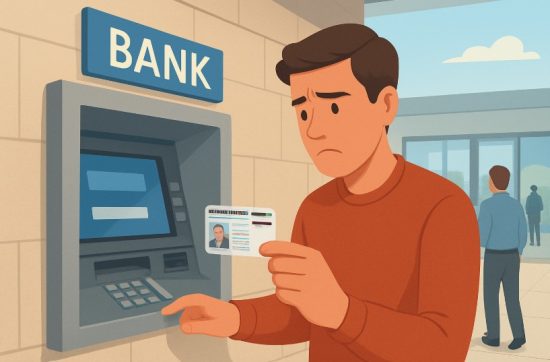
Once your UAE visa is cancelled, the next steps are time-sensitive. You’ll enter a grace period, during which you must either exit the country or switch to a new visa status.
Here’s what typically happens:
- Grace period starts immediately after cancellation, this can range from 30 to 180 days, depending on your visa type
- You are expected to leave the country, transfer to another visa, or apply for a new visa
- Overstaying after the grace period results in daily fines and penalties
Your Emirates ID and labour card become inactive, and government systems flag your cancelled status. If you plan to stay in the UAE, ensure your new visa application is submitted within the grace period.
If you choose to leave, it’s advisable to retain a stamped copy of the cancellation document for future immigration processes or if applying for a visa elsewhere.
Taking quick action ensures you avoid legal complications, protects your immigration record, and makes future entry into the UAE smoother and stress-free.
What Are the Penalties for Overstaying on a Cancelled Visa?
Overstaying your cancelled visa can lead to daily fines and additional exit fees. These penalties are enforced once your grace period expires.
Here’s a quick breakdown:
- AED 50 per day after grace period
- AED 250 to AED 300 exit permit fee for overstayers
- Potential bans on future visa applications if fines are unpaid
Make sure to track the end of your grace period to avoid unexpected fines. If you’re unsure when your grace period ends, check it on the official visa platforms or contact immigration services.
| Overstay Consequences | Details |
| Grace Period Duration | 30 to 180 days (visa-type specific) |
| Fine for Overstay | AED 50 per day |
| Exit Permit Fee | AED 250 to AED 300 |
| Immigration Ban Risk | Possible for excessive overstay |
| Grace Period Extension | Not always allowed |
It’s best to handle visa matters proactively. Pay your fines immediately and exit or switch status legally. Ignoring the consequences can affect your ability to return to the UAE or obtain new visas in the future.
How to Protect Yourself from Uninformed Visa Cancellations?
In rare but serious cases, your visa may be cancelled without your knowledge. This can happen due to disputes, job terminations, or miscommunication between you and your sponsor.
Here’s how to stay ahead:
- Regularly check your visa status online using official portals
- Request a copy of the visa cancellation document after any job resignation or exit
- Stay in touch with your sponsor or employer and confirm actions taken on your behalf
If you suspect that your visa has been cancelled without notice, here’s what you should do:
- Visit the official portal and check the status using your passport or visa number
- Contact customer support lines for real-time confirmation
- Report unauthorized cancellation to the Ministry of Human Resources if needed
Unauthorized cancellations can cause significant legal trouble and travel delays. That’s why it’s crucial to monitor your visa record and ensure no updates occur without your knowledge. Protecting yourself means staying alert, asking questions, and confirming documents.
Visa Cancellation and Checking Process
Managing your visa status in the UAE becomes easier when you know the key steps, timelines, and consequences. Here’s a quick summary of what you need to remember when dealing with visa cancellations and status checks.
| Item | Details |
| Required Documents | Passport, Emirates ID, sponsor’s details |
| Platforms for Status Check | ICP Portal, GDRFA Website & App |
| Cancellation Timeframe | 24 to 48 hours |
| Signs of Cancellation | Inactive Emirates ID, blocked bank access |
| Grace Period Post-Cancellation | 30 to 180 days (depending on visa type) |
| Overstay Fine | AED 50/day + Exit Permit Fee |
| Who Cancels the Visa | Employer/Sponsor or Self (in some cases) |
Keeping this checklist handy ensures you don’t miss any step. Always double-check your cancellation status and maintain records to prevent future issues. Staying proactive protects your legal stay and opens up smoother options for re-entry, employment, or sponsorship in the UAE.
Conclusion
Understanding how to check if your visa is cancelled in the UAE is crucial for maintaining your legal status and planning your next steps. Whether you’re preparing to leave the country, change jobs, or apply for a new visa, staying informed can save you from fines, stress, and legal troubles.
The UAE has made visa management accessible through user-friendly online platforms, allowing you to monitor your status from anywhere. Take the time to verify your visa using the official portals, act within your grace period, and keep a copy of all related documents.
If you’re unsure or suspect cancellation without notice, don’t hesitate to follow up. Staying alert and taking proactive measures ensures a smooth transition, protects your immigration record, and keeps your future in the UAE secure and flexible.
FAQs
How can I check if my UAE visa is cancelled?
You can check your visa status using your passport number through official UAE government websites. These portals display if your visa is active, cancelled, or expired.
What is the grace period after visa cancellation?
The grace period ranges from 30 to 180 days depending on your visa type. It allows time to exit, apply for a new visa, or adjust your legal status.
Can I enter the UAE again with a cancelled visa?
No, you cannot re-enter using a cancelled visa. You’ll need to apply for a new visa before re-entering the UAE.
What are the fines for overstaying after cancellation?
You’ll be fined AED 50 per day after the grace period ends. An additional AED 250 to AED 300 is charged for an exit permit.
Can I drive after my visa is cancelled?
You can legally drive until your grace period ends. After that, it becomes illegal to live or drive without a valid visa.
Can someone cancel my visa without telling me?
Yes, this is possible. Always check your status regularly and contact authorities if you suspect unauthorized cancellation.
Who pays for visa cancellation in the UAE?
The sponsor or employer usually pays the visa cancellation fee. For family visas, the primary visa holder typically bears the cost.