Have you ever found yourself stuck in traffic on one of Abu Dhabi’s bridges, only to realise you were charged a toll you didn’t expect? Understanding the Abu Dhabi Darb timing is not just about avoiding charges, it’s about planning smarter commutes and navigating city traffic more efficiently.
The Darb toll system was introduced to reduce congestion and encourage the use of alternative transport methods by applying fees during specific peak hours.
This system plays a significant role in improving traffic conditions across Abu Dhabi and is especially crucial for daily commuters, logistics operators, and even tourists driving rented vehicles.
Whether you’re looking to cut back on toll expenses or avoid fines for unregistered vehicles, this guide explains every important detail—timings, fees, exemptions, and smart travel tips. Let’s dive into how the Darb toll system works and how you can make it work in your favour.
What Is the Darb Toll Gate System in Abu Dhabi?
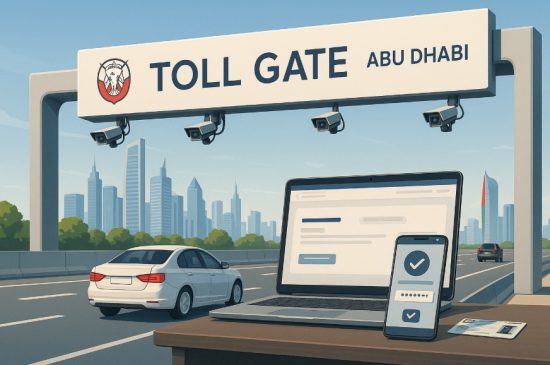
Abu Dhabi’s Darb Toll Gate System is a city-wide initiative designed to manage urban traffic flow using advanced license plate recognition. Implemented in 2021, the system ensures smoother vehicular movement, particularly across the capital’s most vital bridges.
The Darb system stands out for its innovation. It doesn’t require physical tags or stickers. Instead, it uses automated number plate recognition (ANPR) cameras to record vehicle passages during specific peak hours, applying a fee automatically to registered users’ accounts.
Here are the four primary Darb toll gate locations you need to know:
- Sheikh Zayed Bridge
- Mussafah Bridge
- Sheikh Khalifa Bin Zayed Bridge
- Al Maqtaa Bridge
What makes this system even more commuter-friendly is the integration with an online portal and mobile app, which allows you to:
- Register your vehicle
- Monitor toll crossings and charges
- Manage exemptions and view your account balance
For vehicles registered outside Abu Dhabi, pre-registration at least 10 days before entering the toll zone is required. With its smart design and clear objectives, Darb significantly reduces bottlenecks and helps drivers better manage their urban mobility.
Understanding this toll system is the first step toward stress-free driving in Abu Dhabi. The next step is knowing exactly when those charges apply.
When Are the Peak Darb Toll Timings in Abu Dhabi?
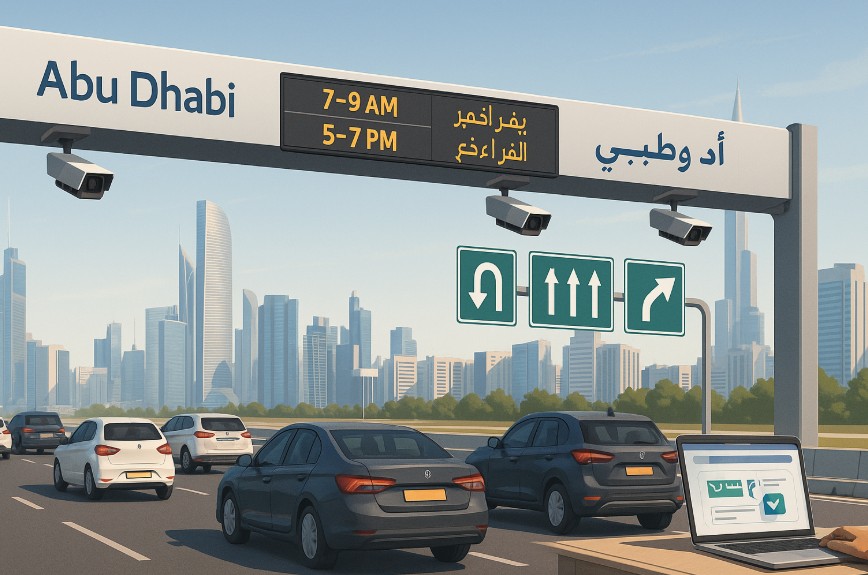
To avoid unnecessary toll charges and make the most of your travel, you need to know the precise Darb toll timings. Abu Dhabi’s toll gates are only active during peak hours from Monday to Saturday. These timings are based on typical high-traffic periods to manage congestion more effectively.
The system applies a fixed fee of AED 4 every time a vehicle passes through one of the four designated toll gates during these hours.
Issuance Fees
Understanding the fee structure helps you budget your commutes better.
Each vehicle incurs:
- AED 4 per crossing
- AED 16 daily cap
- The monthly caps are AED 200 for the first registered vehicle, AED 150 for the second, and AED 100 for each additional vehicle.
Peak Hour Breakdown (Morning and Evening)
Here’s a clear breakdown of standard peak timings:
| Day | Morning Peak | Evening Peak | Charge per Crossing |
| Monday – Saturday | 7:00 AM – 9:00 AM | 5:00 PM – 7:00 PM | AED 4 |
These times are designed to coincide with morning commutes to work and evening returns home, where traffic volumes are highest.
Toll-Charging Schedule
- Charges apply only during the specified hours above.
- Sundays and UAE public holidays are always toll-free.
- No charges apply during non-peak periods, even on operational days.
Darb Toll-Free Hours
- All hours outside 7:00 AM–9:00 AM and 5:00 PM–7:00 PM (Mon–Sat)
- The entire day on Sundays
- All UAE public holidays
Being aware of these time slots ensures that you can plan your trips to avoid toll fees, making your commute more economical and less stressful.
How Does the Darb Timing Affect Your Daily Commute?
The timing of the Darb toll charges has a direct impact on your commuting patterns. Whether you’re a resident travelling to work or a business owner managing a delivery fleet, the way you plan your travel around toll hours matters.
Darb timings not only affect how much you pay but also how much time you spend on the road. Traveling during peak hours results in more congestion and additional costs. By adjusting your schedule, you could save time and reduce transportation expenses.
Here’s how Darb timings influence your commute:
- Cost Efficiency: Avoiding peak hours means you pay nothing at the toll gates.
- Time Savings: Roads tend to be less congested during toll-free periods.
- Route Planning: Drivers can plan detours around toll zones to avoid charges.
- Encouraging Public Transport: Commuters may opt for buses or shared transport to avoid frequent charges.
Being informed and adjusting travel times can turn a potentially stressful commute into a smooth ride. Darb isn’t just about collecting tolls—it’s about encouraging more efficient traffic behavior throughout the city.
Are There Any Changes to Darb Timings During Ramadan?

Yes, during Ramadan, the Darb toll gate schedule is adjusted to accommodate altered work hours and religious observances. This is done to ease travel for those fasting, attending prayers, or preparing for Iftar and Suhoor.
The peak periods shift slightly, but the charge per crossing remains AED 4. These modified hours aim to reduce traffic buildup during sunset and dawn while still managing traffic volumes effectively.
Issuance Fees
The toll rate remains unchanged at AED 4 per crossing during Ramadan, but applied during different hours.
Ramadan Timing Adjustments?
| Time Slot | Ramadan Peak Timing | Charge per Crossing |
| Morning Peak | 8:00 AM – 10:00 AM | AED 4 |
| Afternoon Peak | 2:00 PM – 4:00 PM | AED 4 |
| Sunday | Toll-Free | AED 0 |
These updated hours ensure minimal disruption to religious practices and help families and professionals reach their destinations in time.
Planning your day with these timings in mind allows you to stay focused on the spiritual significance of Ramadan while avoiding unnecessary stress or charges.
What Are the Darb Toll Charges and Penalties?
While the Darb system is designed to be user-friendly, ignoring its rules can lead to fines and penalties. Understanding both the charges and consequences of non-compliance is essential for every driver in Abu Dhabi.
Issuance Fees and Toll Fee Structure
The cost to use the Darb toll gates is relatively straightforward:
- AED 4 per gate crossing
- AED 16 maximum per day
- AED 200/150/100 monthly caps for 1st, 2nd, and 3rd vehicles
These caps help prevent overspending for frequent commuters.
Darb Fines and Late Registration Penalties
Failing to register your vehicle or maintain a sufficient account balance leads to automatic fines:
| Violation | Penalty |
| Unregistered vehicle (1st day) | AED 100 |
| Unregistered vehicle (2nd day) | AED 200 |
| Unregistered vehicle (3rd day onward) | AED 400 |
| Insufficient balance (after 5-day grace) | AED 50 per day |
| License plate tampering | AED 10,000 |
| Damage to toll infrastructure | AED 10,000 |
Payment Process
You can manage your toll payments in multiple ways:
- Credit card/Debit cards via app or website
- Darb kiosks and retail points
- Auto top-up linked to your bank account
Monitoring your balance and staying registered is critical to avoid fines that can quickly escalate into thousands of dirhams.
How Can You Register for the Darb Toll System?
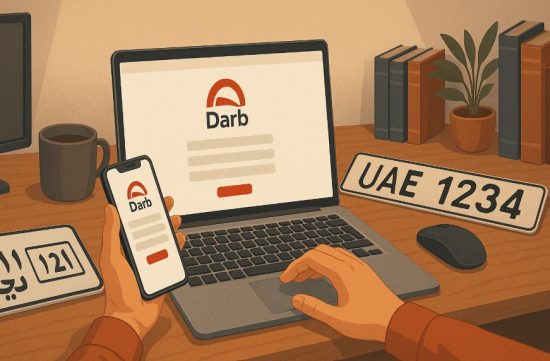
Registering for Darb is simple but essential if you intend to pass through Abu Dhabi toll gates. It helps you avoid fines and ensures all toll charges are correctly attributed to your account.
To register, follow these steps:
- Visit https://darb.itc.gov.ae or download the Darb app.
- Click “Create New Account” and select Individual or Business.
- Enter your active email address and verify using an OTP.
- Provide your Emirates ID, traffic code number, and mobile number.
- Choose your vehicle’s Emirate of registration.
- Complete the OTP verification for your mobile.
- Set a password to secure your account.
- Enter your vehicle details and payment method.
- Pay AED 100 (includes AED 50 credited to your wallet).
Timely registration keeps you compliant and prepared for every drive through the city’s toll zones.
Can You Avoid Darb Charges with Smart Planning?
Absolutely. Avoiding Darb charges is all about knowing your routes, travel timings, and using available tools to your advantage. Many residents have already adjusted their schedules to avoid tolls, and so can you.
Here are a few strategies:
- Plan Off-Peak Travel: Travel before 7:00 AM or after 7:00 PM to avoid tolls.
- Use Alternate Routes: Avoid toll gates by using internal roads and non-toll bridges.
- Leverage Public Transport: Buses and shared taxis are exempt from toll fees.
- Monitor Your Account: Always ensure your Darb account has enough balance to avoid penalties.
- Carpooling: Share rides during peak times to split costs and reduce vehicle use.
With some smart thinking, you can minimize or even eliminate toll fees from your monthly expenses without sacrificing travel convenience.
Conclusion
Driving through Abu Dhabi no longer needs to come with unexpected costs or confusion. The Darb toll gate system is designed to make your commuting experience more efficient provided you understand how it works.
From registering your vehicle to planning around toll timings, staying informed gives you full control of your driving expenses and keeps you compliant with city regulations.
This guide has covered everything you need from timing schedules and Ramadan updates to penalties and exemptions. Armed with this information, you can now navigate Abu Dhabi like a local and ensure every journey is smooth, lawful, and cost-effective.
FAQs
What happens if I drive through a Darb toll gate without registration?
You will be fined starting from AED 100, increasing with each day the vehicle remains unregistered.
Are there toll charges on Fridays or Sundays in Abu Dhabi?
Toll charges apply on Fridays during peak hours, while Sundays are entirely toll-free.
Can I register multiple vehicles under one Darb account?
Yes, multiple vehicles can be added, each with individual caps and registration.
How can I check my Darb account balance?
Log into your Darb account via the website or mobile app to view your balance and transaction history.
Are rental vehicles required to register with Darb?
Yes, rental cars must be registered either by the renter or the rental company before using toll roads.
What vehicles are exempt from Darb tolls?
Emergency vehicles, motorcycles, public buses, and approved individuals like senior citizens or People of Determination are exempt.
Can I appeal a Darb toll fine if I believe it’s incorrect?
Yes, you can file a dispute through Darb’s customer support with supporting documentation.