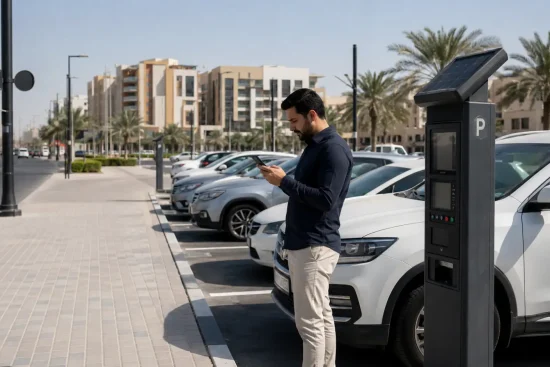
Walk into almost any shop, cafe or taxi in Dubai today and you will notice something: hardly anyone reaches for cash.
Tap-to-pay cards, mobile wallets and QR codes have quietly become the default way people settle bills, and that shift is reshaping how retailers think about checkout design, customer data and even store layout.
This is not just a convenience trend, it is becoming a structural feature of how the city does business.
At the center of this shift is a government-backed push to make the emirate almost entirely cashless within the next couple of years.
Dubai’s Executive Council has backed an initiative known as the Dubai Cashless Strategy, aiming for roughly 90 percent of transactions across public and private sectors to be cashless by the end of 2026.
That target touches everything from government fee payments to parking meters to the till at a neighborhood grocery store.
Why Retailers Are Adapting So Quickly?
For retail businesses, the incentive to go digital is not purely about following a government target.
Digital payments reduce the costs and security risks tied to handling physical cash, and they generate transaction data that helps merchants understand buying patterns.
A small boutique that adopts contactless and QR payment options can track peak shopping hours or popular product categories far more easily than one relying on cash registers alone.
Consumers have pushed this along too. Shoppers in Dubai, many of whom are residents from dozens of different countries, increasingly expect the same frictionless payment experience they find in other global retail hubs.
A tourist from Europe or Asia landing in Dubai can usually tap a phone or card at checkout without needing to exchange currency first, which smooths the path for retailers catering to a highly international customer base.
The Technology Stack Behind the Shift

Behind the scenes, this transition relies on a mix of technologies working together.
Near-field communication chips in cards and phones handle contactless taps, while QR-based systems let smaller vendors, including market stalls and food trucks, accept digital payments without expensive hardware.
Increasingly, AI-powered fraud detection also sits quietly behind these transactions, flagging unusual spending patterns in real time.
This layered approach matters because retail in Dubai spans everything from luxury malls to traditional souks.
A single payment framework would not suit both environments, so the ecosystem has grown to include multiple overlapping tools: bank-issued contactless cards, mobile wallet apps, and QR systems tied to local payment networks.
The result is a retail environment where a shopper can move between very different kinds of stores without changing how they pay.
What This Means for Everyday Spending Habits?
As digital payments become the norm, consumer behavior shifts in subtle ways. Spending can become less visible and more frictionless, which is convenient but also means shoppers need to be more deliberate about budgeting since there is no physical cash running low to signal a spending limit.
Retailers, for their part, are adding built-in receipts, spending summaries and loyalty integrations directly into payment apps to help customers keep track.
Dubai’s shopping districts and hospitality venues attract visitors from around the world looking for high-end retail and entertainment experiences.
Toronto, for instance, has built a reputation around live sports culture that draws a similarly international crowd, and readers comparing how digital payment habits shape leisure spending in Toronto and Dubai can look at the Haztayeb UAE sportsbook guide for a sense of how such comparisons are discussed elsewhere.
Looking Ahead for Retailers and Shoppers
For businesses still relying heavily on cash registers, the direction of travel is fairly clear. Payment processors, point-of-sale providers and even smaller retailers are under pressure to modernize checkout systems or risk losing out to competitors offering faster, more flexible payment options.
This is not unique to large chains either, independent shops across the city are increasingly expected to support at least one digital payment method.
Regulatory guidance from bodies such as the Central Bank of the UAE continues to shape how payment providers operate, ensuring consumer protections keep pace with the speed of this transition.
As more transactions move onto digital rails, the retail experience in Dubai is likely to keep evolving toward faster checkouts, richer data use, and a shopping environment where cash becomes the exception rather than the rule.