Have you recently heard about the UAE’s decision to halt visas for some countries and wondered what it really means? You’re not alone. This unexpected development has left thousands of individuals and families across Asia and Africa concerned about their travel and job prospects.
While the government hasn’t released an official explanation, a leaked immigration circular has revealed a temporary suspension that could have long-term impacts on international relations, workforce planning, and economic activity.
This move, reportedly tied to national security, health, and policy reforms, specifically targets tourist and work visas. If you’re from one of the affected countries or involved in recruiting international workers, understanding the implications is crucial.
Let’s break down the full list of countries affected, the reasons behind the decision, and what you should do next. This guide answers the most critical questions and provides real clarity during a time of uncertainty.
What Is the UAE Visa Ban on 9 Countries?
The UAE visa ban on nine countries is a temporary suspension of both tourist and work visa applications for selected nationalities. As per an internal immigration circular that surfaced in early 2026, this new policy limits the entry of foreign nationals from specific regions in Africa and Asia. Unlike a travel ban, this restriction solely applies to new visa applicants, meaning those who already hold valid UAE visas are not impacted.
This move signifies a major shift in the UAE’s immigration strategy. The government has neither publicly acknowledged the circular nor specified how long the ban will remain. However, the widespread coverage of the issue and consistent information across multiple immigration channels suggest that the policy is in active enforcement.
The ban is believed to be part of a broader administrative effort to ensure national security, enhance identity verification protocols, and streamline visa documentation processes.
Although the directive does not affect existing visa holders, the policy is a clear signal of a tighter immigration framework in the near future. This decision carries wide-ranging consequences, particularly for job seekers, tourism professionals, and recruiters across the region.
Which Countries Are Affected by the UAE Visa Ban?
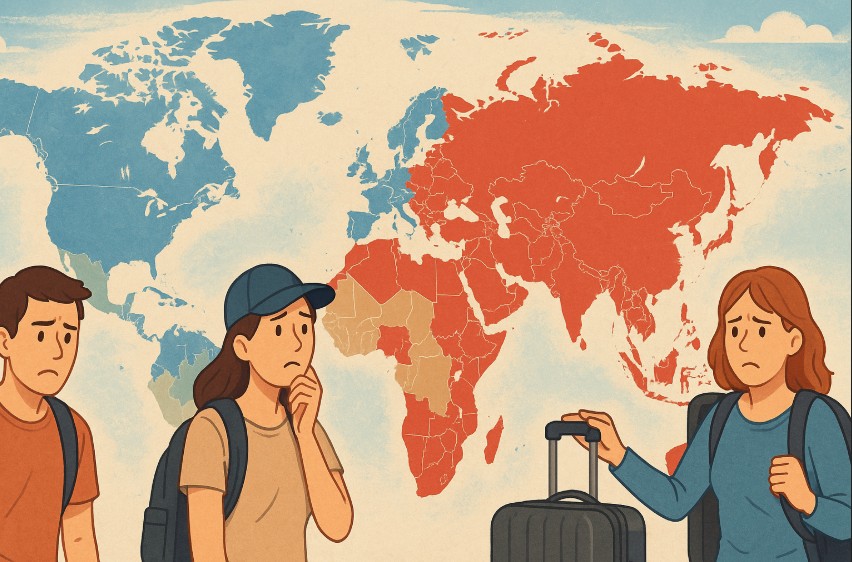
The visa ban affects nine countries spread across Africa and Asia. These nations have been singled out based on various factors that likely include security concerns, public health risks, and diplomatic relations. The policy targets new applications, making it impossible for citizens of these countries to obtain tourist or work visas to the UAE until further notice.
Below is the complete list of the nine countries currently subject to the UAE visa suspension:
| Country | Region | Visa Status |
| Afghanistan | Asia | Banned for new visas |
| Libya | Africa | Banned for new visas |
| Yemen | Asia | Banned for new visas |
| Somalia | Africa | Banned for new visas |
| Lebanon | Middle East | Banned for new visas |
| Bangladesh | Asia | Banned for new visas |
| Cameroon | Africa | Banned for new visas |
| Sudan | Africa | Banned for new visas |
| Uganda | Africa | Banned for new visas |
The suspension is described as temporary, but no reassessment date or reversal notice has been announced yet. Citizens from these nations who already have UAE residency or valid visas are still allowed to live and work in the country without disruption.
Who Is Impacted by the UAE Visa Ban?
The visa ban directly affects a large segment of the population, particularly individuals from the listed countries who are looking to travel to or work in the UAE. While existing residents with valid visas remain unaffected, the ripple effects extend to job markets, family reunification, recruitment agencies, and travel operators.
Groups Most Affected:
- New Job Seekers: Professionals and laborers from these countries can no longer apply for new work permits in the UAE.
- Tourists and Visitors: Leisure travelers and those planning family visits are unable to obtain new tourist visas.
- Recruitment Companies: Agencies sourcing talent from these countries face halted processes and increased costs.
- Families and Dependents: Family reunification efforts are impacted when dependents cannot secure entry visas.
In practical terms, this means halted employment pipelines and an uncertain future for many who were preparing for opportunities in the Emirates. Sectors like construction, retail, domestic services, and hospitality, which traditionally employ workers from these regions, are particularly strained.
It’s important to understand that the ban doesn’t criminalize presence in the UAE for those already residing legally. However, with no timeline on when new applications will resume, the uncertainty is creating both personal and professional complications.
Why Has the UAE Imposed the Visa Ban?

The UAE government has not issued a formal public explanation for the visa suspension, but insights from immigration experts and policy analysts suggest a combination of reasons behind the move. These include national security precautions, unresolved diplomatic issues, health protocols, and digital identity reforms.
Are Security Concerns a Factor?
Yes, internal sources suggest the primary driver behind the suspension is national security.
The UAE has historically taken proactive measures against risks like:
- Document fraud
- Terrorism-related threats
- Unlawful migration
- Identity theft
The visa freeze acts as a preventive measure to ensure that individuals with unverified or questionable documentation do not gain access to the UAE.
Could Diplomatic Relations Be Influencing the Policy?
It’s likely. Immigration policies are often shaped by international relations. Strained or complex diplomatic ties between the UAE and certain countries on the list may have contributed to the decision. In the past, such policies have been used to express political stances or to protect the country’s broader strategic interests.
Are Public Health Measures Still Playing a Role?
Health safety remains a key consideration in post-pandemic travel.
Concerns noted in prior visa reviews included:
- Incomplete health screening systems
- Underfunded healthcare infrastructure
- Potential for emerging virus strains
Although the global emergency phase of COVID-19 has passed, the UAE is still cautious in accepting travelers from countries with less developed health monitoring frameworks.
Is the Ban Linked to Migration and Identity Reforms?
Yes, the UAE is working on overhauling its immigration system. Digitization, stronger identity verification protocols, and reduced administrative inconsistencies are part of this effort. The visa ban allows time to implement reforms while reducing risk from fraudulent applications.
| Contributing Factor | Description |
| National Security | Concerns over fraud, terrorism, and illegal entry |
| Diplomatic Sensitivities | Strained relations affecting policy decisions |
| Public Health | Incomplete screenings and pandemic legacies |
| Migration System Reforms | Push for digitization and improved ID verification |
The policy, while temporary, appears deeply tied to the UAE’s long-term immigration goals and national safety strategy. The impact spans beyond paperwork, it influences bilateral cooperation and public trust in migration systems.
How Is the UAE Visa Ban Affecting Daily Life and Business?

The consequences of the visa ban are already visible in both everyday life and the business landscape. Workers, companies, and service providers are adjusting to a disrupted status quo that has left many processes on hold.
Major Impacts Across Sectors:
- Expat Workforce Challenges: Employers are unable to fill labor gaps using traditional recruiting channels from affected countries.
- Recruitment Delays: HR departments must reconsider hiring strategies and target alternative labor markets.
- Remittance Reduction: Citizens from banned countries who previously supported families through overseas earnings are now hindered.
- Tourism Losses: Travel agencies, airlines, and hotels focused on South Asian and African travelers face booking cancellations and revenue dips.
The absence of fresh labor from these countries means some projects and services may experience slower turnaround times or increased operational costs. Families awaiting reunification or dependent visas also face frustrating delays with no clear resolution in sight.
What Should You Do If You’re From One of the Affected Countries?
If you’re from any of the listed countries, the first step is to remain informed and cautious. The situation is evolving, and while the ban is indefinite, it’s not permanent. Here’s what you can do in the meantime.
Recommended Actions:
- Check with Official UAE Sources: Stay updated through UAE embassies or immigration websites for any policy changes.
- Avoid Unofficial Visa Agents: Many scams arise during uncertain periods. Use only licensed immigration consultants.
- Consider Alternative Destinations: If you were job-seeking or planning travel, explore other Middle Eastern or Asian countries with active visa policies.
- Maintain Validity of Existing Visas: If you already reside in the UAE, ensure your documentation is current and renewals are processed on time.
While it’s an unsettling period, strategic planning can help mitigate the effects of the ban until further announcements are made. Being proactive ensures you remain compliant and prepared for any future policy reversals.
When Could the UAE Visa Ban Be Lifted?
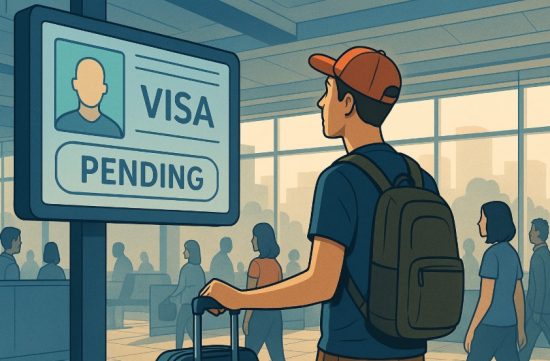
As of now, there is no official timeline for when the visa ban will be reviewed or lifted. However, based on similar historical actions, the UAE typically reassesses such decisions depending on internal reviews and external conditions.
What to Monitor Going Forward:
- Immigration Circular Updates: New internal memos or updates may eventually reach the public domain.
- Health and Security Improvements: Countries showing tangible progress in documentation and health protocols may be reconsidered.
- Diplomatic Negotiations: Improved bilateral relations might fast-track removal from the banned list.
Without concrete information, patience and vigilance remain your best approach. For now, the ban is indefinite, but not permanent. It’s crucial to keep documentation ready for when policies shift.
What Are the Current UAE Visa Requirements for Other Nationalities?
While the listed countries face restrictions, other nationalities continue to apply for UAE visas under standard requirements. These criteria vary based on visa type and purpose of visit.
Typical Requirements for Tourist or Work Visas:
- A valid passport with 6 months minimum validity
- Recent passport-size photographs
- Confirmed return flight tickets (for tourists)
- Valid employment offer letter (for workers)
- Proof of accommodation
- Medical tests and vaccination records
- Bank statements or financial proof
| Visa Type | Requirements |
| Tourist Visa | Passport, return ticket, hotel bookings, financial proof |
| Work Visa | Offer letter, medical test, educational and work credentials |
| Family Visa | Proof of relationship, sponsor ID, housing contract |
Applicants must also follow any current health regulations or travel advisories issued by UAE authorities. These measures help maintain safe entry protocols while allowing streamlined processing for eligible travelers.
What Does This Mean for the Future of UAE Immigration Policy?

The visa ban reflects more than a temporary restriction, it’s an indicator of how UAE’s immigration landscape is evolving. The country is positioning itself for a secure, digital-first future where immigration policies align with national security and economic goals.
Likely Policy Shifts:
- More Digitization: Paperless processes, facial recognition, and biometric verification will become standard.
- Targeted Migration: Preference may be given to skilled labor over unregulated migration sources.
- Increased Scrutiny: Expect more thorough background checks and screening for visa applicants.
UAE’s broader vision for immigration likely includes harmonizing labor demands with national interests. The shift points toward a smarter, safer system that welcomes global talent while safeguarding local priorities.
Conclusion
The UAE’s visa ban on nine countries represents a significant turning point in its immigration policy. While existing residents from these nations are unaffected, those hoping to travel or work in the UAE now face indefinite delays.
The ban, though temporary, reflects larger goals of improving national security, managing migration more effectively, and embracing digital transformation in visa processing.
For now, staying informed and compliant is your best strategy. The future may bring policy shifts and new opportunities, but understanding today’s changes is the first step to navigating them. Whether you’re an individual applicant or a business leader, being proactive today prepares you for what lies ahead.
FAQs
Is the UAE visa ban permanent for the 9 countries?
No, the ban is temporary and can be lifted based on future reviews and regional developments.
Can citizens of these countries travel to the UAE on other types of visas?
Currently, tourist and work visas are suspended, and alternative visa options are also restricted.
What happens if you already have a valid UAE visa?
You can continue living and working in the UAE if your visa remains valid and you follow all regulations.
Is there a way to appeal the visa rejection?
There’s no official appeal process for the ban, but staying updated with embassies may help when policies change.
Will this visa ban impact family sponsorships?
Yes, new sponsorships may be affected for dependents from the listed countries during the suspension.
Are other countries expected to be added to the ban list?
There is no indication of additional countries being added, but the situation is subject to change.
Where can you find official updates about UAE visa policies?
Updates can be found on UAE immigration websites and official embassy announcements.