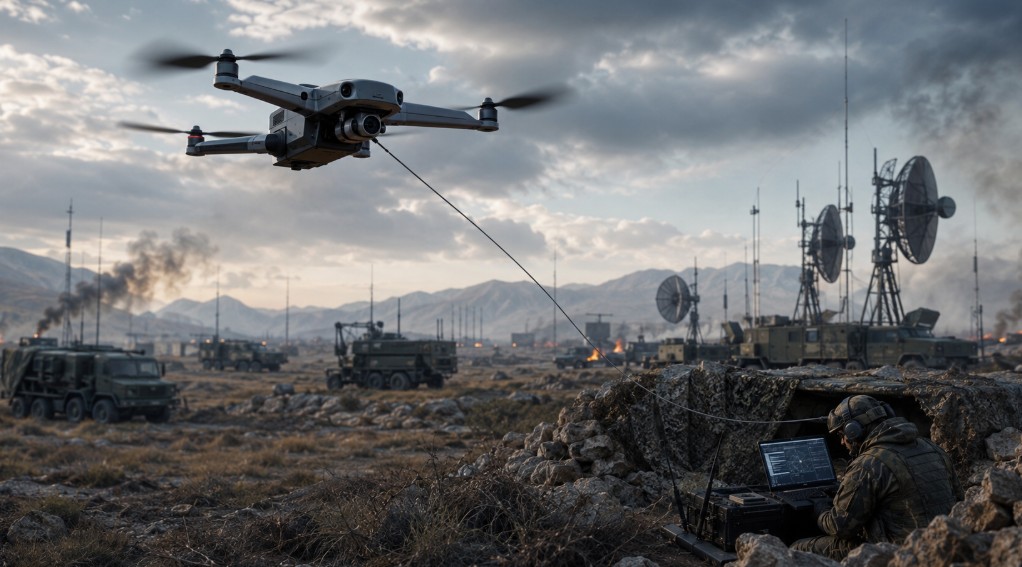
Electronic warfare creates a wall of static for standard drones. Radio-controlled aircraft are rendered blind, forced into automated retreat, or completely neutralized the moment their command signal dies.
Drone Optical Fiber provides a physical link that stays live regardless of what the enemy sends out. This technology bridges the gap between ground operators and the target. It offers a clear path forward for defense forces that operate in high-interference environments.
The Reality of Modern Electronic Warfare
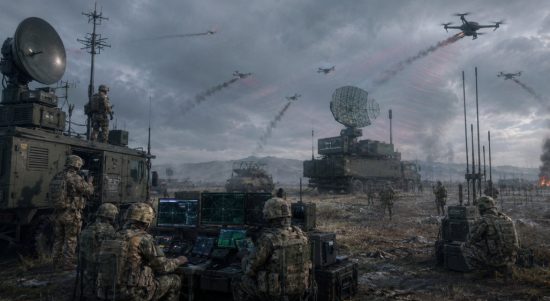
Combat zones have changed. Traditional radio signals exist in a cluttered space, and enemy forces use high-power jamming to block these frequencies. This suppression leaves many unmanned aerial systems blind and unresponsive.
A physical fiber optic connection bypasses this problem entirely. The drone unspools a hair-thin fiber as it flies, creating a dedicated data channel that no radio jammer can touch.
This method provides several key operational advantages:
- Total protection against signal suppression.
- Zero signal latency for precision targeting.
- Zero electromagnetic footprint for the ground operator.
- Higher flight safety near high-voltage lines or metal structures.
Commanders find that these features turn the tide during tough maneuvers where every second counts. Tactical units save resources by reducing lost aircraft and increasing hit accuracy. The fiber acts as an unjammable data lifeline, feeding video back to the pilot with perfect clarity.
Strategic Relevance for the Gulf Region
Defense strategies in the Persian Gulf require systems that perform in high-stress, real-world conditions. Nations like the UAE and Qatar have demonstrated interest in combat-tested technology because they understand the value of hardware that survives when others fail.
These governments actively seek solutions that have proven their worth on the front lines of actual conflict. The appeal of this technology lies in its simplicity and effectiveness.
Defense procurement officers in Dubai or Doha recognize that a hardwired drone changes the cost-benefit analysis of modern warfare. It eliminates the need for expensive, complex signal-hopping radios and gives the operator total control over the flight path, even in the middle of a massive EW blackout.
Innovation in Action
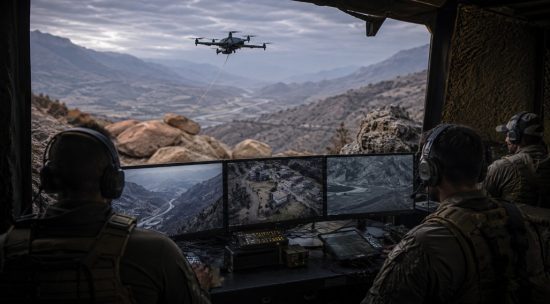
Manufacturers like SkyCraft have focused on building drones that handle the weight of the fiber spool without sacrificing agility.
They have optimized the airframe to manage the physics of the wire, which prevents drag and snapping during high-speed maneuvers. This approach allows the drone to reach its target while the operator remains hidden in a safe, static location.
These systems offer a distinct defensive capability:
- The transmission of target identification data remains clear regardless of electronic interference.
- Video feeds provide a crystal-clear image to the pilot.
- Data packets are transmitted at full speed without packet loss.
- Communication security remains absolute.
Such features allow ground teams to maintain superiority without needing to worry about sudden data blackouts. Operators maintain the advantage as long as the connection remains intact.
This stability empowers units to execute high-value reconnaissance sweeps or precision strikes with a level of confidence previously impossible to achieve in an active jamming zone.
Looking Ahead
The shift toward fiber-guided systems signals a change in how asymmetric warfare will develop over the coming years. Commanders no longer need to fear the total loss of control when operating inside an enemy’s jamming umbrella.
By removing the reliance on radio waves, these drones keep the operator safe and the mission active. Defense procurement teams should evaluate this technology as a cornerstone of their tactical arsenal.
The ability to maintain a tethered, high-bandwidth connection changes how forces approach reconnaissance and precision strikes.
It provides an answer to the jamming technology that dominates today’s headlines, giving commanders the upper hand in contested airspace. This is the next phase of unmanned systems, and it is ready for deployment in the most demanding environments on the planet.