Dubai attracts high-profile business leaders, wealthy investors, celebrities, and international traveller whose demanding itineraries often place them in the public eye.
Although the city maintains a strong reputation for public safety and low crime rates, certain security concerns still exist.
These may include intrusive attention, overcrowded venues, exposure of confidential travel arrangements and uncomfortable encounters in situations where leaving immediately is not practical.
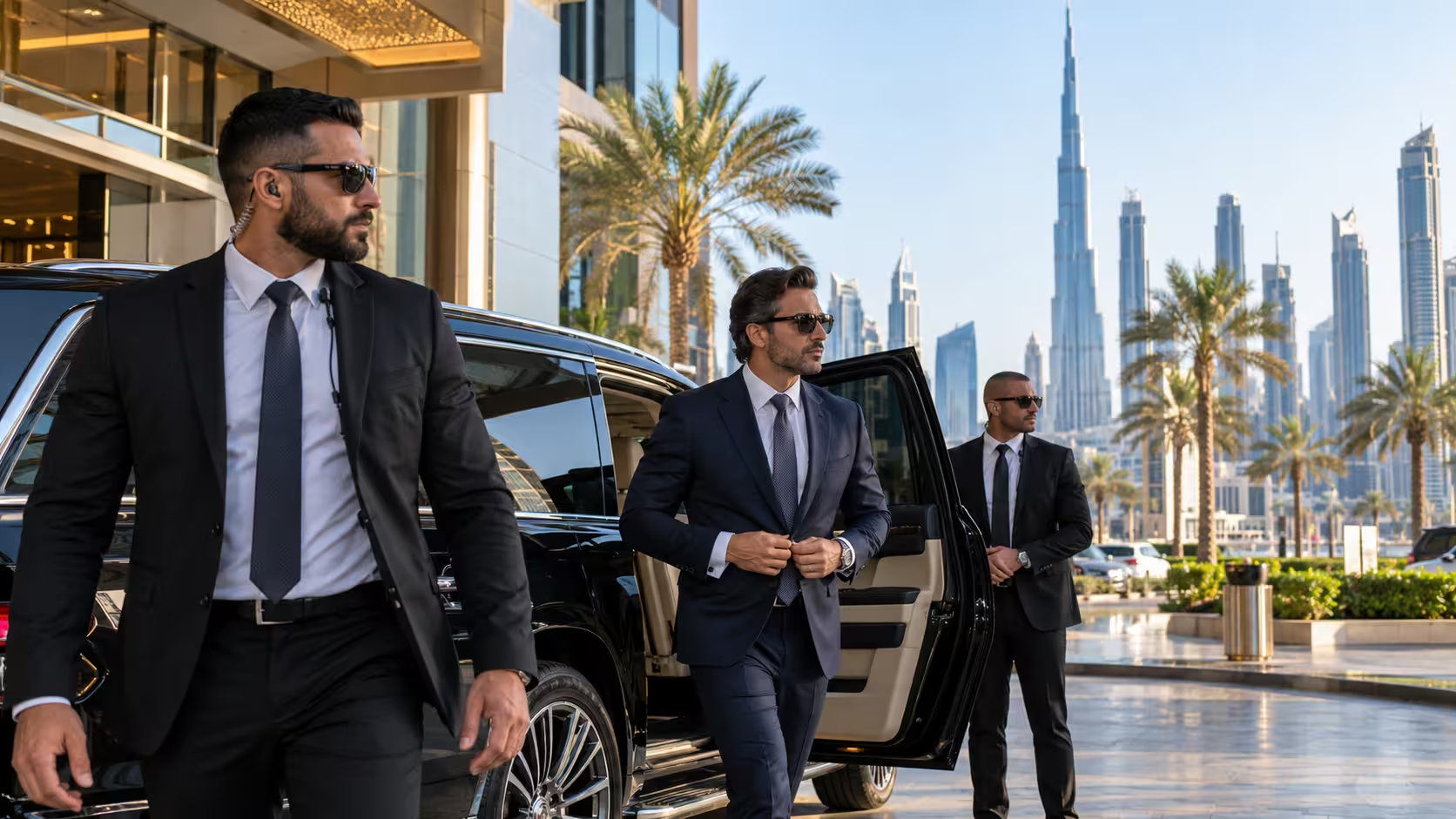
This is why a growing number of clients arrange a bodyguard in Dubai ahead of arrival rather than leaning on hotel staff or a driver. From the outside, the work looks calm, but it rests on advance planning, local knowledge and clear limits on what a protection officer may do.
Why Close Protection Is in Demand in the UAE?
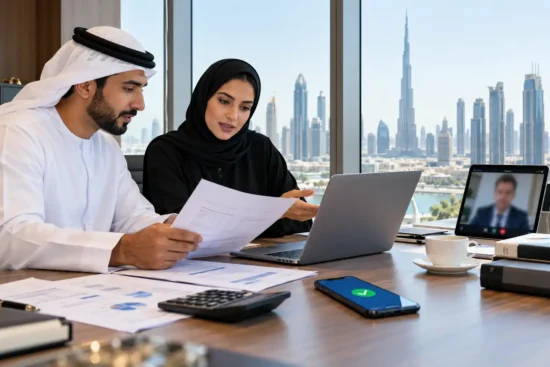
Dubai runs on events. Trade shows such as GITEX and the Dubai Airshow bring delegations to the same hotels and venues within days of each other, and private gatherings in Palm Jumeirah villas or Downtown penthouses add another layer of visibility.
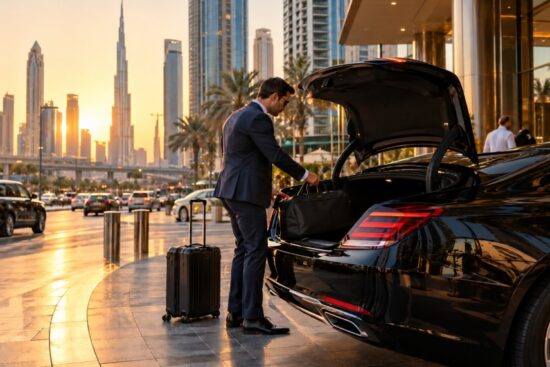
Guests will move between airports, offices, yachts, and restaurants, often in convoys of rental cars. Every transfer is a moment when a schedule can leak or a crowd can form.
Family offices and property investors in Dubai face a different problem: negotiations, disputes, and public attention can follow them long after the meeting ends.
A protection officer reduces that exposure by controlling who gets close, planning routes, and keeping the day on schedule.
In some cases, the priority is to handle enthusiastic fans, intrusive photographers, or persistent business associates discreetly before their behaviour creates an uncomfortable or disruptive situation.
Licensing and Local Rules: What Makes Dubai Different?
Dubai’s private security sector operates under the supervision of the Security Industry Regulatory Agency (SIRA), which oversees industry standards and requires security service providers to hold the appropriate licences.
That affects the client directly. A properly licensed security company follows established regulations, employs thoroughly screened personnel and understands the legal boundaries of its responsibilities.
In Dubai, professional protection focuses on anticipating potential threats, reducing security risks and preventing incidents rather than relying on physical confrontation.
Private officers do not behave like action-film characters; they watch, plan and position themselves so that trouble never gets the chance to start. Local etiquette matters just as much.
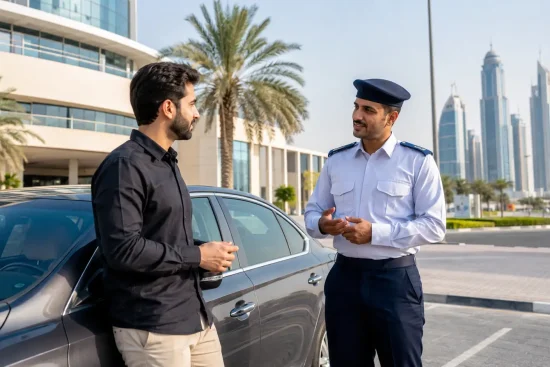
Local expectations surrounding appropriate attire, personal privacy and restrictions on taking photographs without permission play an important role in guiding how security personnel conduct themselves in public spaces.
An officer who ignores these norms can create more problems than he solves, which is why regional experience counts for more than a long list of foreign credentials.
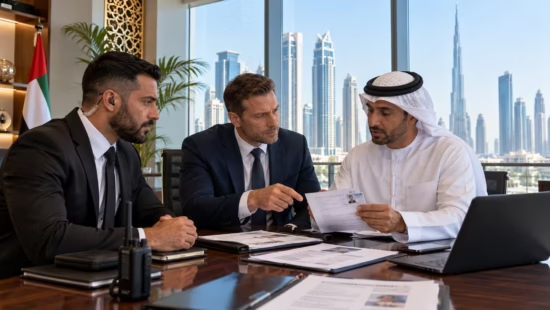
What a Professional Detail Actually Covers?
Effective personal protection often begins long before the client arrives at a destination, with most security preparations taking place discreetly behind the scenes.
The team assesses the location, reviews business travel routes, identifies expected attendees and develops backup plans to respond smoothly to unexpected changes.
A well-organised service usually covers several basics:
- Conducting preliminary security assessments of hotels, event locations and travel routes ahead of the client’s arrival;
- safe transit with screened drivers and a fallback route;
- coordination with hotel, venue and event security teams;
- discreet conduct that respects UAE privacy rules;
- a clear plan for medical, traffic or other emergencies.
None of these points is dramatic on its own. Together they explain why a calm day with no incidents is the best result a protection team can deliver.
How to Choose a Provider?
Start with the licence and ask to see proof of it. Then look at relevant experience: guarding a CEO during a conference differs from supporting a family during a holiday week.
Team size, languages and round-the-clock availability should be stated upfront, along with who takes responsibility if plans change. Well-defined agreements, documented duties and a designated contact person help prevent confusion down the line.
It is also reasonable to ask how the team handles confidentiality, because the client’s movements, addresses, and habits are sensitive information. A company that answers these questions plainly is usually the one that works plainly on the ground.
Conclusion
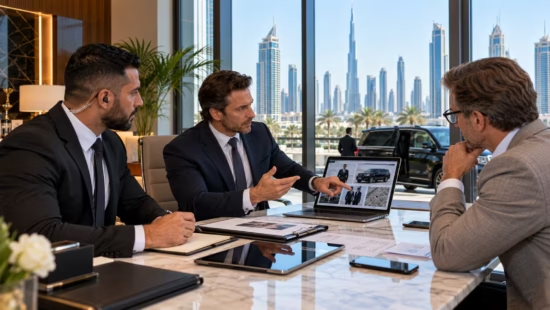
In the UAE, personal security relies more on planning than physical strength. Proper licensing, regional knowledge, and confidentiality count more than image.
Clients who plan ahead, define their needs and check credentials tend to spend their time on business or leisure instead of worrying about logistics. In a city built around events and attention, that peace of mind is the real service.