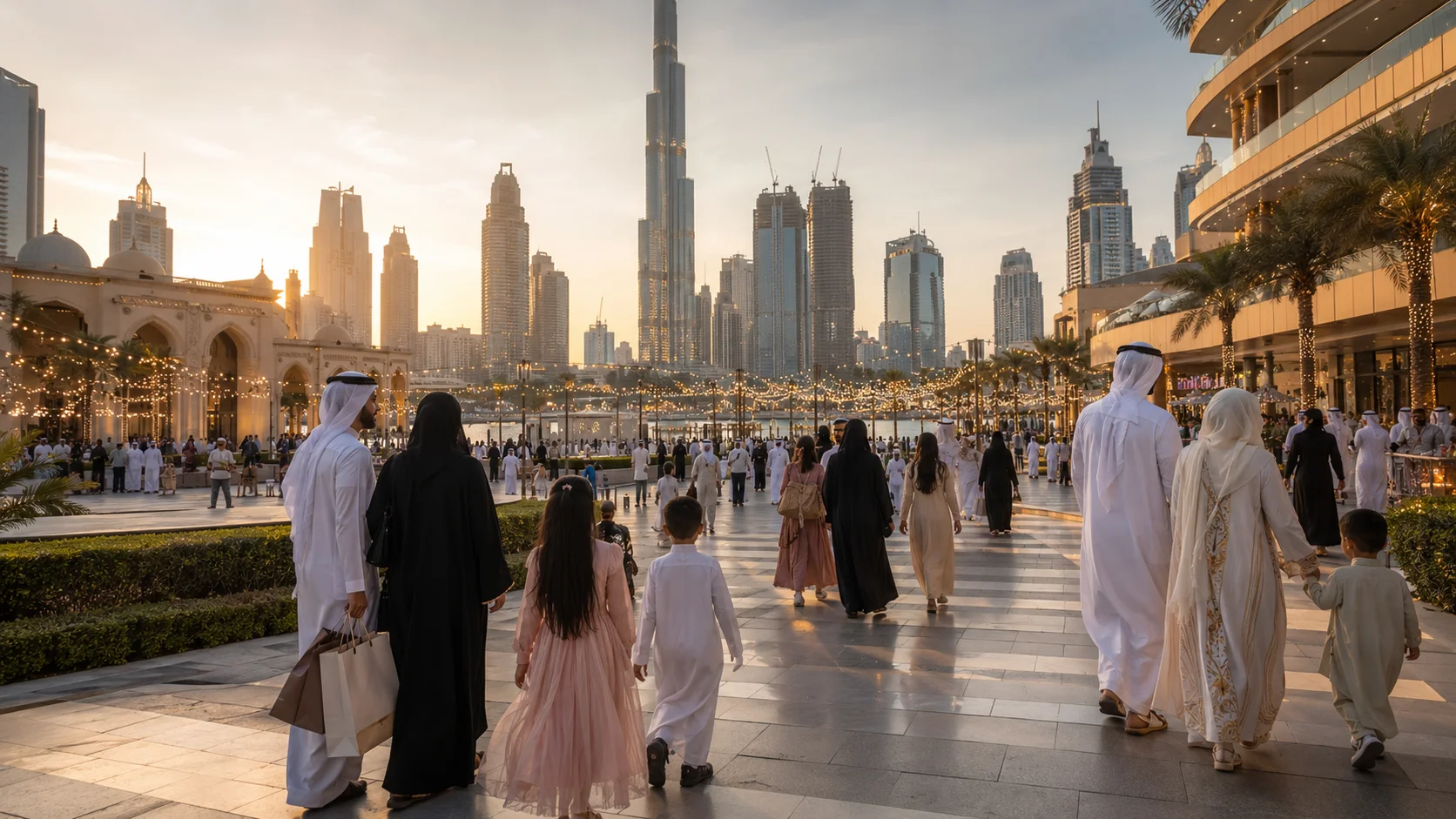
The official private sector holiday for Eid Al Adha 2026 in the UAE will run from Tuesday, May 26 to Friday, May 29, 2026, following the confirmation of the Dhu Al Hijjah crescent moon sighting.
Combined with the regular weekend, many employees are expected to enjoy a six day break from Friday, May 22 to Saturday, May 30, with work resuming on Monday, June 1, 2026.
This extended Eid holiday is expected to impact travel, hospitality, retail activity, and workplace scheduling across the UAE.
Key Takeaways:
- Official private sector Eid Al Adha 2026 holiday dates in the UAE
- Arafat Day and Eid holiday schedule explained
- Six day holiday break details for employees
- UAE labour law rules for public holidays
- Travel and tourism trends during Eid
- Business and retail activity expectations
- Employee rights and holiday planning tips
- Importance of moon sighting confirmation in the UAE
What Are the Official Private Sector Holiday Dates for Eid al Adha 2026 in the UAE?

The UAE government officially announced that private sector employees will receive holidays from Tuesday, May 26 to Friday, May 29, 2026, for the observance of Arafat Day and Eid Al Adha.
The announcement followed the official sighting of the Dhu Al Hijjah crescent moon, which determines the Islamic calendar dates used for major religious occasions.
The holiday schedule gives employees several consecutive days away from work, especially when combined with the regular UAE weekend. For many residents, this creates one of the most anticipated long breaks of the year.
The confirmed holiday dates are outlined below:
| Occasion | Date | Day |
| Arafat Day | May 26, 2026 | Tuesday |
| Eid Al Adha Day 1 | May 27, 2026 | Wednesday |
| Eid Al Adha Day 2 | May 28, 2026 | Thursday |
| Eid Al Adha Day 3 | May 29, 2026 | Friday |
The UAE follows Islamic traditions closely when determining religious holidays. Authorities rely on moon sighting committees and religious scholars to officially confirm the beginning of Dhu Al Hijjah and the dates for Eid Al Adha.
For businesses, official confirmation is important because it allows companies to plan operations, staffing schedules, and leave approvals well in advance. Employees also benefit from having enough time to organise travel plans, family visits, and personal commitments.
Arafat Day Holiday Details
Arafat Day is one of the holiest occasions in Islam and takes place on the ninth day of Dhu Al Hijjah. It marks the second day of the Hajj pilgrimage in Saudi Arabia and holds deep spiritual significance for Muslims around the world.
Many Muslims observe the day through prayer, fasting, reflection, and charitable activities. In the UAE, Arafat Day is recognised as an official public holiday for both government and private sector employees.
Religious scholars often describe Arafat Day as a time for forgiveness and spiritual renewal. Mosques across the UAE usually experience increased attendance during this period, especially during evening prayers and religious gatherings.
The significance of Arafat Day also contributes to the wider atmosphere of Eid celebrations throughout the country. Families begin preparing meals, organising gatherings, and planning charitable contributions before the Eid holiday officially begins.
Eid Al Adha Celebration Dates in the UAE
Eid Al Adha begins immediately after Arafat Day and continues for several days. The festival commemorates the willingness of Prophet Ibrahim to sacrifice his son in obedience to God.
The celebration is one of the most important events in the Islamic calendar and is widely observed throughout the UAE. Residents participate in Eid prayers, family gatherings, community meals, and acts of charity.
Traditional Emirati celebrations often include:
- Large family meals
- Visits to relatives and friends
- Distribution of meat and donations
- Community celebrations and cultural events
Shopping centres, tourist attractions, and entertainment venues also introduce special promotions and activities during Eid Al Adha. Hotels and restaurants across Dubai, Abu Dhabi, Sharjah, and other emirates usually experience increased customer demand throughout the holiday period.
How Long Is the Eid al Adha 2026 Break for Private Sector Employees?
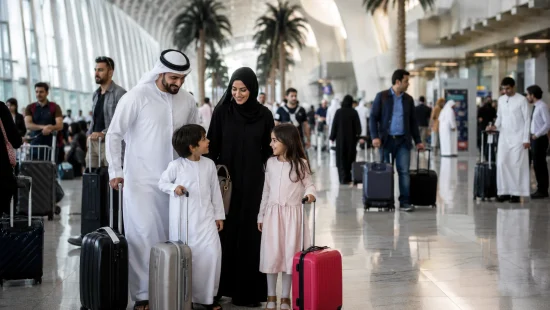
Although the official Eid Al Adha holiday runs from May 26 to May 29, many private sector employees are expected to enjoy a much longer break because of how the dates align with the weekend.
The holiday structure allows employees to combine weekends and annual leave to create an extended rest period. Many residents begin planning several months in advance to maximise travel opportunities during Eid.
The expected holiday structure is shown below:
| Date | Status |
| Friday, May 22 | Weekend |
| Saturday, May 23 | Weekend |
| Sunday, May 24 | Working Day |
| Monday, May 25 | Working Day |
| Tuesday, May 26 | Arafat Day Holiday |
| Wednesday, May 27 | Eid Holiday |
| Thursday, May 28 | Eid Holiday |
| Friday, May 29 | Eid Holiday |
| Saturday, May 30 | Weekend |
| Monday, June 1 | Work Resumes |
Employees who apply for annual leave on May 24 and May 25 could potentially enjoy a nine day holiday period. This possibility is expected to increase demand for airline tickets, hotels, and tourism services both inside and outside the UAE.
A Dubai based HR consultant explained the situation clearly:
“Many employees start planning their leave well before Eid because combining annual leave with public holidays allows them to spend more time with family or travel abroad without using too many leave days.”
The long holiday period also benefits companies that experience lower operational demand during public holidays. Some businesses reduce working hours or temporarily close offices during Eid.
Complete UAE Eid Holiday Calendar for 2026
The Eid Al Adha break is expected to become one of the longest public holiday periods in the UAE during 2026. For employees, the extended break provides an opportunity to rest and recharge after busy work schedules.
Travel agencies typically report a rise in holiday bookings several weeks before Eid. Short haul destinations remain particularly popular among UAE residents because of shorter flight durations and convenient visa processes.
The expected holiday period creates opportunities for:
| Activity | Expected Trend During Eid |
| International Travel | High demand |
| UAE Staycations | Increased bookings |
| Retail Shopping | Significant growth |
| Family Gatherings | Widespread participation |
| Hospitality Sector | Peak occupancy |
Many residents also choose to remain within the UAE and enjoy staycations at resorts, beach hotels, and desert retreats.
Weekend Combination and Extended Leave Benefits
The alignment of Eid holidays with weekends often creates strong economic activity in the tourism and hospitality sectors. Airlines usually increase flight schedules, while hotels introduce family packages and Eid themed promotions.
The long holiday also encourages domestic tourism across the emirates. Destinations such as Dubai, Abu Dhabi, Ras Al Khaimah, and Fujairah typically attract residents looking for short leisure breaks.
Families with school aged children often use the opportunity for overseas travel because the Eid period frequently aligns with summer holiday planning.
Why Is Eid al Adha Important in the UAE?
Eid Al Adha holds major religious and cultural importance in the UAE. The festival represents faith, sacrifice, compassion, generosity, and community unity.
The occasion is deeply rooted in Islamic traditions and remains one of the most widely celebrated events across the country. Public institutions, businesses, and communities all participate in the celebrations in different ways.
The UAE places strong importance on preserving cultural traditions during Eid Al Adha. Government departments, cultural centres, and tourism authorities often organise heritage activities and family events to celebrate the occasion.
Eid Al Adha Traditions Across the UAE
Traditional Eid celebrations in the UAE focus heavily on family connections and social gatherings. Many residents visit parents, grandparents, relatives, and close friends during the holiday.
Homes are often prepared in advance for guests, while traditional Emirati dishes are shared during family meals. Community spirit becomes highly visible throughout the holiday period.
Popular customs include:
- Performing Eid morning prayers
- Giving charitable donations
- Preparing traditional meals
- Visiting relatives
- Exchanging gifts with children
Shopping malls and public venues also organise entertainment programmes, fireworks displays, and cultural performances during Eid holidays.
In recent years, tourism authorities across the UAE have expanded Eid entertainment options to attract both residents and international visitors. This contributes to increased economic activity throughout the country.
Community and Charity During Eid
Charity remains one of the most important aspects of Eid Al Adha. Individuals and organisations across the UAE regularly donate food, clothing, and financial support to people in need during this period.
Religious organisations often coordinate donation drives, food distribution campaigns, and support programmes for low income families and workers.
A community volunteer described the atmosphere clearly: “Eid is not only about celebrations. Many families focus on helping others during this time because generosity is a major part of the occasion.”
The emphasis on charity reflects broader UAE values surrounding community support and social responsibility.
What Does UAE Labour Law Say About Private Sector Eid Holidays?
Under UAE labour law, public holidays announced by the government apply to private sector employees and are generally treated as paid leave. Employers are expected to follow official announcements issued by the Ministry of Human Resources and Emiratisation.
Companies operating in the private sector must communicate holiday schedules clearly to employees to avoid confusion regarding attendance, leave, and compensation arrangements.
The UAE labour system recognises the importance of religious holidays while also balancing operational needs across industries such as healthcare, hospitality, aviation, transport, and retail.
Paid Public Holiday Rules in the UAE
Employees are generally entitled to paid leave during official Eid holidays. In situations where employees are required to work during public holidays, compensation arrangements may apply under labour regulations.
The following table outlines common employment considerations during Eid holidays:
| Employment Situation | Typical Employer Requirement |
| Employee receives holiday leave | Paid leave granted |
| Employee works during holiday | Compensation or alternative leave |
| Essential services operation | Shift based scheduling |
| Retail and hospitality sectors | Operational staffing required |
Employers are encouraged to maintain transparency regarding scheduling expectations before the holiday period begins.
A UAE legal advisor explained this clearly: “Employees often misunderstand public holiday rules because some industries continue operating during Eid. Labour regulations generally protect employee entitlements while allowing businesses to manage essential operations.”
Employee Rights During Eid Holidays
Employees should carefully review employment contracts and company policies before finalising travel arrangements. Businesses may have specific procedures for leave requests and emergency staffing requirements.
Workers in industries that remain operational during Eid may receive alternative rest days or overtime compensation depending on company policies and labour law requirements.
Employees should also monitor official UAE announcements in case any updates affect holiday schedules or working arrangements.
How Can Employees Make the Most of the Eid al Adha 2026 Holiday?

The extended Eid holiday provides residents with opportunities to relax, travel, reconnect with family, and participate in social activities.
Because the break spans several consecutive days, many people choose to travel abroad or book domestic leisure experiences within the UAE.
Popular activities during Eid include family visits, resort stays, shopping, cultural events, and short international holidays.
Popular Eid Travel Destinations from the UAE
Travel demand usually rises sharply before Eid holidays. UAE residents often prefer destinations that offer short flight times, family friendly attractions, and simple visa procedures.
Popular travel destinations include:
| Destination | Reason for Popularity |
| Turkey | Comfortable climate and shopping |
| Georgia | Affordable family tourism |
| Maldives | Luxury resorts and beaches |
| Saudi Arabia | Religious travel |
| Europe | Summer tourism opportunities |
Airlines frequently introduce special Eid travel packages during this period, although prices can increase significantly closer to departure dates.
Tips for Planning a Stress Free Eid Break
Planning ahead can help travellers avoid unnecessary delays and higher expenses during peak travel periods.
Useful preparation tips include:
- Booking flights early
- Confirming annual leave approvals
- Checking visa requirements
- Monitoring airport schedules
- Preparing for heavy traffic
Travellers should also allow extra time for airport procedures because passenger traffic usually increases substantially before Eid holidays begin.
What Are the Expected Business and Travel Trends During Eid al Adha 2026?
Eid Al Adha holidays often create strong economic momentum across the UAE. Retail businesses, hotels, airlines, restaurants, and entertainment providers usually experience higher customer demand during this period.
Shopping centres commonly extend operating hours to accommodate increased visitor traffic. Restaurants and cafes also introduce seasonal promotions targeting families and tourists.
Airport and Road Traffic Expectations
Dubai International Airport and Abu Dhabi International Airport are expected to experience significant passenger volumes before the Eid holiday period.
Road traffic may also increase around:
- Shopping centres
- Tourist attractions
- Border crossings
- Major highways
- Entertainment venues
Authorities usually issue travel advisories and traffic updates to help residents manage congestion during peak periods.
Hospitality and Shopping Trends During Eid
Hotels and resorts across the UAE typically benefit from increased bookings during Eid holidays. Family oriented packages, beach stays, and luxury resort promotions become especially popular.
Retail activity also rises as residents purchase clothing, gifts, electronics, and household items before Eid celebrations.
Businesses across multiple sectors often view Eid periods as important opportunities for increased seasonal revenue.
Could Eid al Adha 2026 Holiday Dates Change in the UAE?
Although the Eid Al Adha 2026 dates have been officially confirmed following moon sightings, Islamic holidays remain connected to the lunar calendar system.
Minor variations can occasionally occur in some countries depending on local religious observations. However, UAE government announcements remain the official reference point for businesses and employees within the country.
Residents are encouraged to follow updates from official UAE authorities for accurate holiday information.
What Should Private Sector Employees Know Before the Eid Holiday Begins?

Employees should prepare early for the holiday period, especially if they plan to travel internationally or use annual leave alongside public holidays.
Important preparations may include reviewing company schedules, confirming approvals, and monitoring airline updates.
Key considerations include:
- Passport validity checks
- Flight and hotel bookings
- Workplace handover planning
- Travel insurance arrangements
- Emergency contact updates
Businesses are also encouraged to finalise staffing plans before the holiday period begins to ensure operational continuity where necessary.
Employees working in healthcare, aviation, emergency services, hospitality, and transport sectors should verify duty schedules carefully because operational requirements may differ during Eid holidays.
Conclusion
The official private sector holiday for Eid Al Adha 2026 in the UAE will run from Tuesday, May 26 to Friday, May 29, following the confirmation of the Dhu Al Hijjah crescent moon sighting.
Combined with the regular weekend, many employees are expected to benefit from a six day break extending from Friday, May 22 to Saturday, May 30, with work officially resuming on Monday, June 1, 2026.
As one of the most important Islamic celebrations in the UAE, Eid Al Adha brings families, communities, businesses, and travellers together during a period of reflection, celebration, and generosity. Employees and employers are encouraged to plan ahead to make the most of the extended holiday period.
FAQs
Is Eid al Adha 2026 a paid holiday for private sector employees in the UAE?
Yes, Eid Al Adha is an official paid public holiday for private sector employees in the UAE under government regulations.
When will private sector employees return to work after Eid al Adha 2026?
Private sector employees are expected to resume work on Monday, June 1, 2026.
How are Eid holiday dates confirmed in the UAE?
The dates are confirmed based on the official sighting of the Dhu Al Hijjah crescent moon by UAE authorities.
Can companies ask employees to work during Eid holidays?
Some sectors may require employees to work during Eid holidays due to operational needs, but compensation rules generally apply under UAE labour law.
Will banks and shopping malls remain open during Eid al Adha 2026?
Many shopping malls, restaurants, and entertainment venues remain open during Eid, although operating hours may vary.
Is Arafat Day included in the official Eid holiday?
Yes, Arafat Day is officially included as part of the Eid Al Adha public holiday period in the UAE.
Why do Eid holiday dates sometimes change every year?
Islamic holidays follow the lunar calendar, so dates vary each year based on moon sightings.