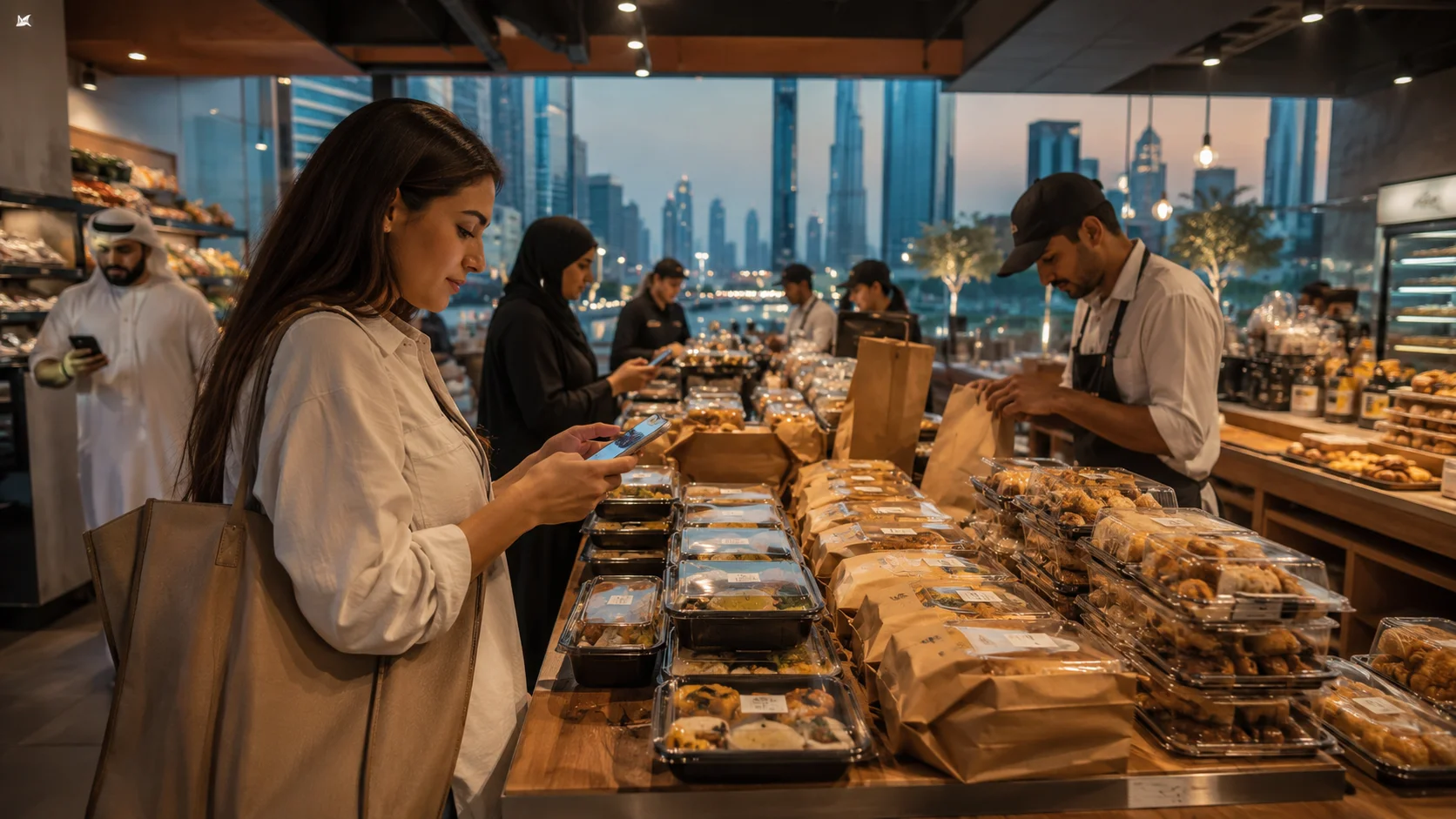
Dubai discounted surplus food apps are helping UAE residents reduce food expenses while tackling one of the country’s biggest sustainability challenges, food waste.
These platforms connect consumers with unsold food from restaurants, cafes, bakeries, and supermarkets at discounts ranging from 50% to 70%. As living costs continue rising across the UAE, these apps are becoming practical tools for affordable dining and responsible consumption.
Key takeaways include:
- Consumers can buy quality food at significantly reduced prices
- Restaurants recover value from unsold inventory instead of discarding it
- UAE sustainability goals support food waste reduction initiatives
- Food-tech startups are attracting investors and major retail brands
- Surplus food apps promote eco-conscious consumer habits in Dubai
According to UAE sustainability reports, billions of dirhams worth of food are wasted annually, making discounted surplus food apps both an economic and environmental solution for the region.
Why Are Discounted Surplus Food Apps Becoming Popular in Dubai?
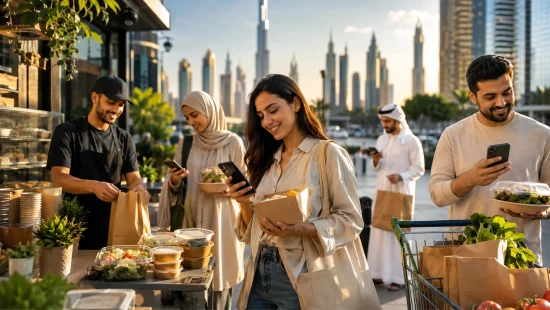
Discounted surplus food apps are becoming increasingly popular in Dubai because they address two major concerns at the same time, rising living costs and growing food waste.
UAE consumers are actively searching for affordable meal options without sacrificing quality, while restaurants and grocery stores are looking for ways to reduce losses from unsold food.
Dubai’s strong focus on sustainability has also contributed to the rise of food rescue platforms. Government-backed initiatives such as Ne’ma encourage businesses and residents to reduce unnecessary waste and support responsible consumption.
At the same time, smartphone-based convenience makes it easier for consumers to browse discounted meals nearby and collect them quickly.
One Dubai resident explained the appeal clearly: “These apps make premium food affordable at the end of the day. Instead of paying full price, people can enjoy meals from top brands for much less. It feels practical and sustainable at the same time.”
What Is a Dubai Discounted Surplus Food App and How Does It Work?
Dubai discounted surplus food apps operate as digital marketplaces where restaurants, cafes, bakeries, and supermarkets sell excess food before closing time.
Instead of discarding unsold inventory, businesses list products on the app at reduced prices, allowing consumers to purchase quality meals affordably. These platforms are designed to simplify food redistribution while reducing waste across the UAE hospitality and retail sectors.
How Do Restaurants and Grocery Stores List Surplus Food?
Restaurants and grocery stores upload surplus food directly through the platform during the final hours of operation. Businesses can update available inventory in real time based on unsold meals, bakery items, groceries, or packaged products.
Commonly listed products include:
- Sandwiches and prepared meals
- Pastries and desserts
- Fresh bakery products
- Grocery essentials nearing sell-by windows
Many businesses view the platform as a smarter alternative to throwing food away.
Hasan Sarwar, co-founder of Peekabox, described the inspiration behind the concept by saying, “I asked the staff what happens to the displayed pastries at night, and they said everything gets thrown out and remade the next morning.” His observation highlighted how much usable food was being wasted daily across Dubai.
How Can Consumers Purchase Discounted Food Through the App?
Consumers can open the app, browse nearby food offers, reserve items, and complete payment directly through the platform. Once payment is confirmed, users collect their orders during a scheduled pickup window.
The process is straightforward and mobile-friendly:
- Browse nearby participating stores
- View available discounted products
- Reserve and pay securely in-app
- Collect food before the designated deadline
Unlike traditional delivery apps, surplus food platforms focus on food recovery and affordability rather than instant delivery convenience. This model also helps consumers discover premium brands at lower prices.
Why Are Discounts Between 50% and 70% Attracting UAE Consumers?
Discounts between 50% and 70% are highly attractive because they offer immediate savings in a country where dining costs can be expensive.
Families, students, office workers, and budget-conscious residents can access meals from well-known brands without paying premium prices.
The appeal extends beyond affordability. Consumers increasingly appreciate the environmental impact of reducing waste while still enjoying quality food. Premium cafes and supermarkets become accessible to a wider audience through these platforms.
Dr Sameer Al Ansari emphasized this balance between sustainability and affordability when he stated, “The UAE has one of the highest food-wastage numbers per capita in the world. If we can make even a small impact, then we have already done something meaningful.”
Why Is Food Waste a Major Problem in the UAE?
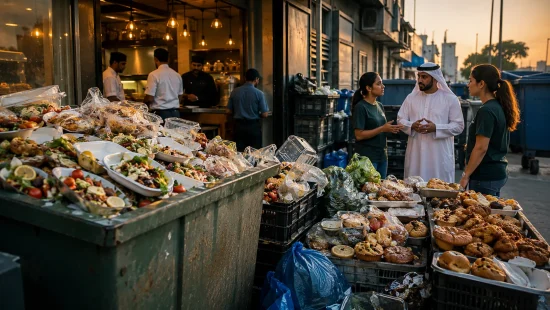
Food waste remains a major issue in the UAE due to high consumption levels, hospitality demand, and retail surplus. According to sustainability initiatives linked to Ne’ma, nearly 40% of food in the UAE is wasted annually, creating economic losses worth billions of dirhams.
Restaurants, supermarkets, hotels, and catering businesses often overproduce food to maintain product availability and customer satisfaction.
However, unsold meals and groceries frequently end up discarded despite remaining safe for consumption. This contributes to environmental challenges, including increased landfill waste and carbon emissions.
The UAE government has introduced multiple sustainability programs aligned with UN goals to cut food waste by 2030. Food rescue applications support these efforts by creating a practical bridge between businesses with excess inventory and consumers seeking affordable meals.
As environmental awareness grows, residents are becoming more conscious of ethical food consumption and sustainable lifestyle choices.
How Are Dubai Food-Tech Startups Transforming Sustainable Food Consumption?
Dubai food-tech startups are changing how consumers and businesses approach food sustainability. These companies combine digital technology with environmental goals, allowing restaurants and grocery retailers to reduce waste while improving operational efficiency.
The growth of surplus food apps reflects a broader movement toward sustainable urban living and responsible consumer behaviour across the UAE.
Why Are Investors Supporting Food Waste Reduction Platforms?
Investors are supporting food waste startups because the sector combines profitability with long-term sustainability potential. Rising food prices, environmental concerns, and digital convenience have created strong market demand for food redistribution platforms.
Many investors believe these startups can scale rapidly across the GCC region because food waste remains a widespread issue. Platforms that reduce waste while generating savings appeal to both consumers and businesses.
Investment interest is also driven by:
- ESG and sustainability priorities
- Expansion opportunities in the Middle East
- Increased demand for affordable food solutions
- Technology-driven operational efficiency
Hani Weiss, a major investor in the sector, explained his support by saying, “As a former grocery executive, food waste was always one of the biggest challenges. It took me seconds to say yes to this idea.”
How Are Major Brands Partnering With Surplus Food Apps?
Major restaurant chains, supermarkets, and hospitality groups are partnering with surplus food apps to improve sustainability performance and reduce operational losses. Businesses can recover part of the value from unsold products instead of absorbing complete losses through disposal.
Large franchise groups also recognize the branding advantages associated with sustainability initiatives. Consumers increasingly support companies that demonstrate environmental responsibility.
Partnership benefits include:
- Reduced waste disposal costs
- Additional revenue recovery
- Stronger sustainability reputation
- Increased consumer engagement
Popular brands in Dubai’s food and retail sectors are now participating in these platforms because the model aligns with both financial and environmental goals.
Can Surplus Food Apps Scale Beyond Dubai and the UAE?
Surplus food apps have significant expansion potential beyond Dubai because similar waste challenges exist throughout the GCC region. Countries across the Middle East are focusing more heavily on sustainability, smart city development, and responsible consumption.
The technology can also expand beyond prepared meals into additional categories such as:
- Grocery perishables
- Flowers and floral products
- Fresh produce
- Speciality bakery items
As app adoption increases, food-tech startups could become central players in the region’s circular economy and sustainability ecosystem.
What Are the Main Benefits of Using a Discounted Surplus Food App in Dubai?
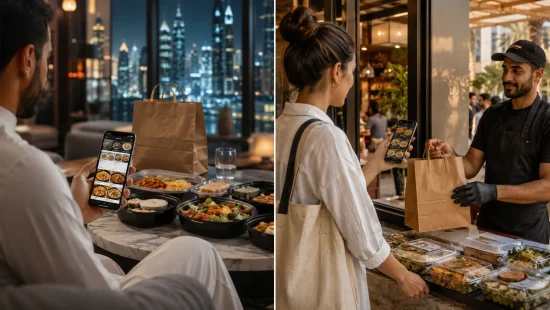
The biggest advantage of using a discounted surplus food app in Dubai is the ability to save money while supporting sustainability efforts. Consumers gain access to affordable meals from premium restaurants and cafes, while businesses reduce financial losses from unsold food.
These platforms create benefits for multiple groups simultaneously. Restaurants improve inventory management, consumers reduce expenses, and the environment benefits from lower food waste levels.
Key benefits include:
- Reduced dining and grocery expenses
- Access to premium brands at lower prices
- Lower food waste across restaurants and stores
- Reduced landfill and environmental impact
- Additional revenue for businesses
The apps also encourage more responsible consumer habits. Instead of purchasing unnecessary food, users buy available surplus products that would otherwise go to waste. This shift supports Dubai’s broader sustainability goals and aligns with growing environmental awareness among UAE residents.
As demand for eco-friendly services increases, discounted surplus food apps are becoming practical tools for both affordability and ethical consumption.
Which Types of Businesses Benefit Most From Surplus Food Platforms?
Businesses with high daily inventory turnover benefit most from surplus food platforms because they regularly deal with unsold products near closing time. Restaurants, cafes, bakeries, supermarkets, and hotel kitchens are among the biggest beneficiaries.
Food businesses often face challenges balancing customer demand with overproduction risks. Surplus food apps provide a structured solution for recovering value from excess inventory.
Industries benefiting the most include:
- Coffee shops and bakery chains
- Grocery retailers and supermarkets
- Hotel restaurants and buffets
- Dessert and pastry outlets
- Quick-service restaurant brands
These platforms also improve operational sustainability. Instead of paying for food disposal, businesses can generate additional revenue and strengthen their environmental reputation.
Many hospitality groups in Dubai now view food redistribution as part of their corporate responsibility strategy. Consumers increasingly prefer brands that demonstrate active efforts to reduce waste and support sustainable practices.
How Does a Surplus Food App Compare With Traditional Food Delivery Apps?
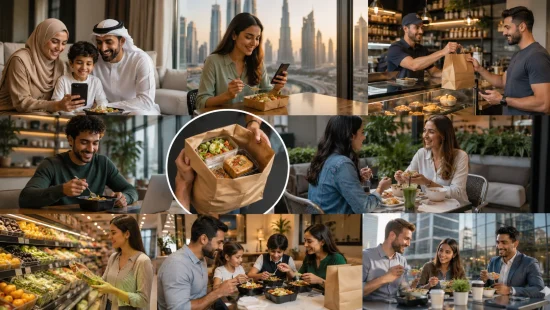
Surplus food apps differ from traditional delivery platforms because their primary goal is food recovery and waste reduction rather than convenience-based ordering. While delivery apps focus on instant meal access, surplus platforms prioritize affordability and sustainability.
Consumers using surplus food apps typically collect orders directly from participating stores. This helps businesses avoid delivery costs while maintaining lower prices for users.
Feature Surplus Food Apps Traditional Delivery Apps
Food Pricing Discounted Standard or premium
Sustainability Focus High Limited
Food Waste Reduction Core mission Not primary focus
Consumer Savings Significant Moderate
Restaurant Inventory Support Strong Limited
Additional advantages of surplus food apps include:
- Lower operational costs for businesses
- Better inventory recovery
- Reduced environmental impact
- Affordable premium dining experiences
Although traditional delivery apps remain dominant for convenience, surplus food platforms are attracting environmentally conscious consumers who prioritize savings and sustainability over immediate delivery speed.
What Challenges Could Dubai Discounted Food Apps Face in the Future?
Despite strong growth potential, discounted surplus food apps face several operational and market challenges. Maintaining food freshness and safety standards is one of the most important concerns for both businesses and consumers.
Apps must ensure accurate inventory updates and reliable pickup systems to avoid customer dissatisfaction. Poor coordination between stores and users can negatively impact trust in the platform.
Common challenges include:
- Food safety and quality control
- Real-time inventory management
- Consumer awareness and adoption
- Competition from large delivery platforms
- Logistics and pickup coordination
Another challenge involves changing consumer habits. Some users may still associate discounted food with lower quality despite products remaining safe and fresh.
As competition increases, food-tech startups will need continuous innovation, strong partnerships, and reliable customer experiences to maintain growth in the UAE market.
How Can UAE Residents Choose the Best Discounted Surplus Food App?
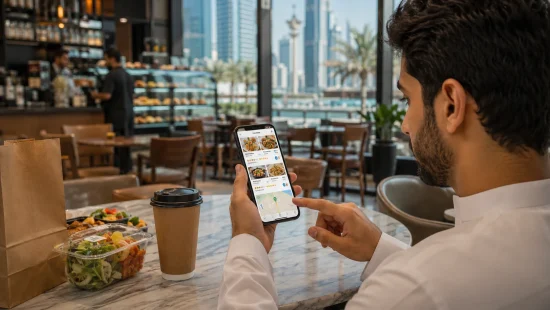
Choosing the best discounted surplus food app depends on pricing, app usability, partner availability, and food quality standards. UAE residents should look for platforms that partner with reputable restaurants, supermarkets, and cafes across Dubai and other Emirates.
A reliable app should provide transparent listings, accurate pickup times, and secure payment systems. Positive customer reviews also help identify trustworthy platforms.
Important factors to consider include:
- Variety of participating brands
- Discount percentage offered
- Ease of app navigation
- User ratings and customer feedback
- Availability across different Emirates
Consumers should also compare sustainability initiatives and overall service quality before selecting a platform. Some apps focus heavily on premium restaurants, while others specialize in grocery surplus or bakery products.
As awareness around food waste continues growing, residents are becoming more selective about apps that combine affordability with genuine environmental impact.
What Does the Future of Sustainable Food Apps in Dubai Look Like?
The future of sustainable food apps in Dubai appears highly promising as technology, sustainability policies, and consumer awareness continue evolving together.
More restaurants, retailers, and hospitality groups are expected to adopt food redistribution systems to improve operational efficiency and reduce waste.
Artificial intelligence and smart inventory management could further improve how surplus products are tracked and sold in real time. Expansion into groceries, fresh produce, and additional perishable categories may also increase platform adoption.
Dubai’s strong focus on innovation and sustainability creates favorable conditions for food-tech startups to grow throughout the region.
As consumers become more environmentally conscious, discounted surplus food apps are likely to become mainstream tools for affordable and responsible food consumption.
The combination of digital convenience, sustainability goals, and economic savings positions these platforms as a long-term solution within the UAE food industry.
Conclusion
Dubai discounted surplus food apps are transforming how UAE residents purchase food while helping businesses reduce unnecessary waste.
By connecting consumers with unsold meals and groceries at reduced prices, these platforms create financial, environmental, and operational benefits across the food industry.
The growing popularity of these apps reflects changing consumer priorities in the UAE, where affordability and sustainability increasingly influence purchasing decisions.
Restaurants and supermarkets can recover value from excess inventory, while consumers gain access to premium food at significantly lower prices.
As food-tech innovation continues expanding across Dubai, surplus food platforms are expected to play an even larger role in supporting sustainability goals and reducing landfill waste.
With strong investor interest, government-backed sustainability initiatives, and rising environmental awareness, discounted surplus food apps are becoming an important part of the UAE’s future food ecosystem.
FAQs
Are discounted surplus food apps safe to use in Dubai?
Yes, most discounted surplus food apps in Dubai partner with reputable restaurants, cafes, and supermarkets that follow UAE food safety regulations. The food sold through these platforms is typically fresh surplus inventory collected within approved time windows.
How much money can users save through surplus food apps in the UAE?
Users can usually save between 50% and 70% compared to regular retail prices. Savings vary depending on the restaurant, supermarket, and type of food purchased through the app.
Which restaurants and supermarkets participate in surplus food platforms?
Many surplus food apps collaborate with cafes, bakeries, grocery stores, and well-known restaurant chains across Dubai and the UAE. Some platforms also partner with large franchise groups and hospitality brands.
Do surplus food apps help reduce environmental pollution?
Yes, these apps help reduce food waste sent to landfills, which lowers harmful greenhouse gas emissions. They also encourage more sustainable food consumption habits among consumers and businesses.
Can tourists in Dubai also use discounted food apps?
Tourists visiting Dubai can usually download and use these apps without restrictions. Most platforms operate through mobile apps that allow quick registration and local payment options.
Are food surplus apps available across all Emirates?
Many food surplus apps primarily operate in Dubai but are gradually expanding to other Emirates. Availability often depends on restaurant partnerships and regional demand.
How do restaurants benefit from selling unsold food online?
Restaurants can recover part of their operational costs by selling excess inventory instead of discarding it. These platforms also improve sustainability efforts and strengthen brand reputation among environmentally conscious consumers.