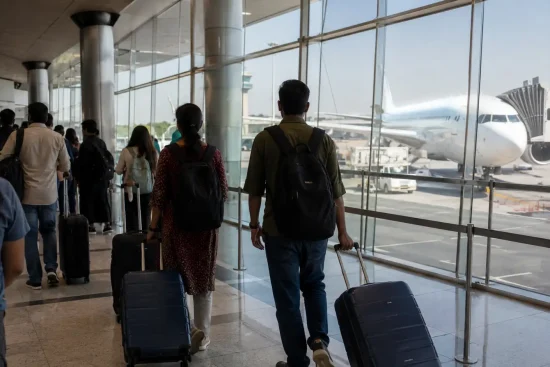
Dubai has limited foreign airlines to just one daily round-trip flight to its airports until May 31, 2026, because of ongoing regional security concerns linked to the Iran crisis. The restriction affects both Dubai International Airport (DXB) and Al Maktoum International Airport (DWC).
While the policy applies to most foreign carriers, UAE-based airlines such as Emirates and flydubai are continuing to operate at much higher levels, creating concern among international airlines, especially Indian carriers.
Key takeaways:
- Foreign airlines can operate only one daily flight to Dubai until May 31
- Indian airlines are expected to face the biggest financial impact
- Travelers may see fewer flight options and higher ticket prices
- UAE-based airlines are currently less affected
- You can still travel to Dubai, but flexible bookings are strongly recommended
Why Did Dubai Limit Foreign Flights Until May 31?

Dubai introduced the new foreign flight limits because airport operations are still under pressure following the Iran-related regional conflict. Authorities say the restriction is designed to manage airport capacity, maintain safety, and prevent further disruption while the situation remains uncertain.
The measure extends an earlier emergency rule that was first introduced after security concerns and disruptions around Dubai’s airports in March. Under the updated policy, foreign airlines will remain restricted from April 20 through May 31.
Dubai Airports told airlines that only one daily round trip would be permitted until more capacity becomes available. Officials also indicated that additional slots may be offered later if airport operations improve.
Although Dubai has not publicly provided a detailed explanation beyond capacity concerns, the timing closely matches the broader Middle East crisis, which has already affected airspace, airport operations, and international flight routes across the region.
As one Dubai Airports communication stated, “Carriers continue to be limited to one rotation per day, until capacity allows more to be facilitated.” This suggests the policy is being presented as temporary rather than permanent.
What Exactly Are Dubai’s New Flight Restrictions?
Dubai’s new policy places strict limits on how often foreign airlines can operate to the city. The rule applies to all non-UAE carriers and covers the full summer schedule period between April 20 and May 31.
At the start of the restriction period, every foreign airline is allowed only one round-trip flight per day into Dubai, regardless of how many flights it previously operated. That means an airline that once flew 10 or 15 times per day is now treated the same as an airline that operated only one flight.
The main elements of the restriction include:
- One daily round-trip flight per foreign airline
- Applies from April 20 through May 31, 2026
- Covers both of Dubai’s major airports
- Additional slots may be granted only if airport capacity improves
- UAE-based airlines are not currently subject to the same limitation
Which Airports Are Included in the Restriction?
The rule applies to both of Dubai’s main commercial airports:
- Dubai International Airport (DXB)
- Al Maktoum International Airport (DWC)
Dubai International Airport is normally the world’s busiest international airport and handles the majority of passenger traffic into the UAE. It is especially important for routes between India, Europe, Asia, and Africa.
Al Maktoum International Airport is smaller but increasingly important for overflow traffic, low-cost carriers, and cargo operations.
Because both airports are included, airlines cannot avoid the restriction simply by moving flights from DXB to DWC. Dubai Airports confirmed that the same one-flight-per-day rule applies across both locations.
For travelers, this means there are fewer alternative airport options within Dubai itself. If your airline previously used both airports, you may still see reduced schedules because the total number of flights is capped.
Are Emirates and flydubai Exempt From the One-Flight-Per-Day Rule?
The biggest controversy around Dubai’s new policy is that it appears to apply only to foreign airlines.
Dubai-based carriers such as Emirates and flydubai have already resumed operating close to their normal schedules. Meanwhile, foreign airlines must reduce their operations to just one daily flight.
This has led several international airlines to argue that the rule creates an unfair competitive advantage for UAE carriers. Indian airlines have been especially critical because they depend heavily on routes to Dubai.
The Federation of Indian Airlines said the unequal treatment has created a “significantly uneven playing field.” The group argues that if foreign airlines are restricted for safety or capacity reasons, then the same limits should apply to all airlines operating into Dubai.
One airline body wrote to the Indian government that, “UAE-based carriers, namely Emirates and flydubai, have already resumed operations to India at pre-disruption levels and are not subject to similar restrictions.”
Dubai has not officially confirmed whether its own airlines are exempt for operational reasons, safety reasons, or economic reasons. However, the current system clearly benefits UAE-based carriers by giving them access to far more flights and passengers during the restriction period.
Which Airlines Are Being Hit the Hardest?

The airlines facing the largest impact are those that had planned the most flights to Dubai before the restrictions were announced. Indian carriers are expected to suffer the biggest losses because they rely heavily on Dubai routes for business and passenger traffic.
Before the new cap, airlines had already scheduled hundreds of flights for April and May. The one-flight-per-day rule dramatically reduces that number and leaves many aircraft and crews underused.
| Airline | Planned Flights to Dubai (April-May 2026) | Likely Impact |
|---|---|---|
| Air India + Air India Express | 750+ | Severe reduction in planned operations |
| IndiGo | 481 | Major underutilized aircraft and staff |
| Saudia | 480 | Moderate to high disruption |
| Gulf Air | 404 | Reduced regional capacity |
| SpiceJet | 61 | Smaller but significant impact |
Air India and Air India Express had the highest number of scheduled flights, making them the most exposed to the new cap. IndiGo also faces a major reduction because it had planned 15 daily flights between India and Dubai.
Meanwhile, airlines such as Saudia and Gulf Air are affected, but to a lesser extent because their networks are smaller.
The reduction is especially severe because airlines cannot simply spread their passengers across more flights. They are now limited to only 30 or 31 flights for the entire month.
Why Are Indian Airlines More Affected Than Other Foreign Carriers?
Indian airlines are more affected because India is Dubai’s single largest travel market. In 2025 alone, nearly 11.9 million passengers traveled between India and Dubai, making India the most important source of traffic for DXB. As a result, Indian airlines had planned more flights to Dubai than airlines from any other country.
How Many Flights Had Indian Airlines Planned Before the Restriction?
Before the cap was introduced, Indian airlines expected to run hundreds of flights into Dubai during April and May.
Their planned schedules included:
- More than 750 flights by Air India and Air India Express
- 481 flights by IndiGo
- 61 flights by SpiceJet
Because of the new rule, each of these airlines can now operate only one round trip per day. That means airlines that had planned dozens of weekly flights must cancel or reduce most of their schedules.
For example, IndiGo said it originally had approval for 15 daily flights between India and Dubai. Under the new restrictions, only a small fraction of that schedule can continue.
An IndiGo spokesperson said, “The Middle East crisis and the new Dubai extended restrictions significantly constrained our operations.” The airline added that a large amount of its aircraft time and capacity is now sitting unused.
Why Are Indian Airlines Already Under Financial Pressure?
The timing of the Dubai restrictions is especially difficult because Indian airlines were already facing several financial problems before this latest disruption.
The biggest pressures include:
- Higher global fuel prices
- Longer routes to Europe and North America
- Increased operating costs from avoiding Pakistani airspace
- Strong competition from Gulf carriers
Since last year, Indian airlines have been unable to use Pakistani airspace because of political tensions. This means flights to Western destinations must take longer routes, increasing fuel costs and reducing efficiency.
At the same time, aviation fuel prices have risen sharply. That has already reduced airline profits, especially for carriers with large international networks.
The Dubai cap adds another layer of pressure because many Indian airlines depend on Dubai as one of their busiest international markets. Losing access to multiple daily flights means fewer passengers, lower revenue, and more unused aircraft.
Aviation experts also point out that Indian carriers already compete with larger Gulf airlines that have more international connections and stronger finances. If Dubai-based airlines continue flying normally while Indian airlines remain restricted, that gap could widen further.
Why Is the Federation of Indian Airlines Asking for Reciprocal Measures?
The Federation of Indian Airlines, which represents IndiGo, Air India, and SpiceJet, believes the current rules are unfair.
The group has asked the Indian government to first negotiate with Dubai and request that the restrictions be removed. However, if Dubai keeps the policy in place, the FIA wants India to consider reciprocal measures against UAE carriers.
That could include limiting flights operated by:
- Emirates
- flydubai
In practice, reciprocal measures would mean that UAE airlines could also be limited to one daily flight into India, just as Indian airlines are currently limited in Dubai.
The FIA argues that this would restore fairness and pressure Dubai to change its approach. However, such a move could also create even more disruption for travelers between India and the UAE.
In its letter, the FIA warned that the current policy could lead to “substantial revenue losses” and described the situation as an “uneven playing field” between Indian and UAE carriers.
How Could Dubai’s Flight Limits Affect Your Travel Plans?

If you are planning to travel to or through Dubai before May 31, you should expect fewer choices and possible delays.
The biggest effect is that many foreign airlines now have fewer seats available. Because airlines can operate only one daily flight, the number of tickets is much lower than usual.
You may notice:
- Higher airfares, especially on routes from India
- More frequent schedule changes
- Greater risk of cancellations
- Longer layovers or indirect routes
- Reduced service from smaller cities
Travelers flying from smaller Indian cities may be affected the most because airlines are likely to prioritize major routes such as Mumbai, Delhi, and Bengaluru.
You may also find that UAE-based airlines have more available seats than foreign carriers. In some cases, passengers whose flights are canceled may be moved onto different airlines or asked to travel on another day.
If your trip is important, it is best to book flexible tickets and monitor your flight status regularly. Waiting until the last minute could leave you with fewer choices and much higher prices.
Can You Still Fly to Dubai During the Restrictions?
Yes, you can still travel to Dubai during the restriction period. Dubai’s airports remain open, and flights are continuing. However, you may need to change your airline, adjust your travel date, or accept a more expensive ticket.
The most important thing is to understand which airlines are still operating regularly and which airlines have already reduced or suspended service.
Which Flights Are Most Likely to Continue Operating?
The flights most likely to continue are those operated by UAE-based airlines.
These include:
- Emirates
- flydubai
Because these airlines are not currently facing the same one-flight-per-day restriction, they are still operating many of their regular routes between Dubai and other countries.
Travelers may therefore have a better chance of finding seats on these carriers, especially if they are traveling from India, Europe, or other major markets.
Foreign airlines with only one daily Dubai flight before the crisis may also continue operating with relatively little change. For example, some long-haul carriers from Europe or North America often operate only one flight per day anyway.
Likely options may include:
- One daily flight by some European airlines
- Limited services from Asian carriers
- Reduced but continuing operations from selected Gulf airlines
A number of travel experts and passengers have advised booking UAE-based airlines until the situation improves.
One traveler in Dubai commented, “Safer to book UAE-based airlines till everything settles.” That reflects the growing belief that local carriers currently offer the most reliable schedules.
Which International Airlines Have Already Suspended Flights?
Several international airlines have already suspended or sharply reduced their Dubai services because of the wider Middle East crisis.
These include:
- Lufthansa
- British Airways
- Singapore Airlines
- Air France
- Cathay Pacific
Lufthansa has suspended flights to Dubai until May 31. British Airways has also reduced or paused service as it redirects aircraft to Asia and Africa.
Meanwhile, Singapore Airlines has canceled flights to Dubai through April 30, while Air France extended its suspension because of security concerns.
One airline statement explained, “We’re keeping the situation under constant review and are directly in touch with affected customers to offer them a range of options.” That reflects how quickly the situation can still change.
Is Dubai Trying to Protect Its Own Airlines?
Many foreign airlines believe Dubai’s policy may also be helping its own carriers, even if the official reason is airport capacity and security.
Critics point out that foreign airlines have been reduced to one flight per day, while Emirates and flydubai continue to operate almost normally.
That difference gives Dubai-based airlines access to more passengers and more revenue at a time when competing airlines are losing flights.
Some analysts argue that a fairer approach would have been to reduce flights based on each airline’s previous schedule. Under that system, an airline with 10 daily flights might be allowed five, while an airline with one daily flight could continue unchanged.
At the moment, there is no official evidence that Dubai introduced the policy mainly to protect local airlines. Dubai authorities continue to say the restrictions are tied to safety and airport capacity. Still, the unequal treatment has made the debate much more controversial.
What Should You Do If Your Dubai Flight Is Canceled or Changed?

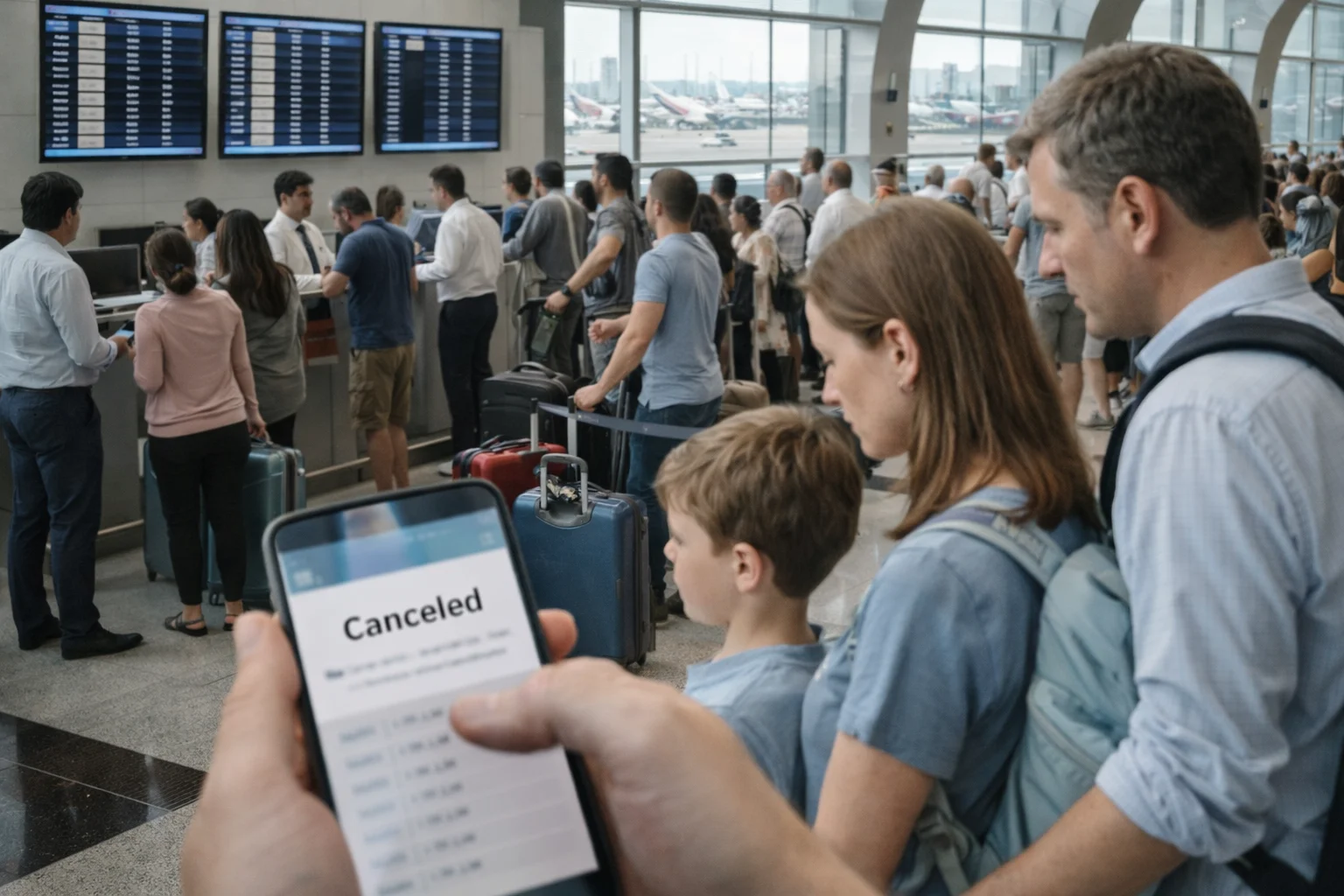
If your flight to Dubai is canceled or delayed, act quickly because replacement seats may disappear fast.
First, contact your airline directly and check whether you can be moved onto another flight. Many airlines are offering free changes or travel credits because the disruption is outside passengers’ control.
You should also:
- Check your airline app at least twice a day
- Confirm your booking 24 hours before departure
- Keep copies of emails and cancellation notices
- Ask whether you are eligible for a refund or rebooking
- Review your travel insurance policy
If your airline cannot offer a suitable alternative, consider booking with Emirates or flydubai because those carriers currently have the most stable schedules.
Passengers should also understand that compensation rules may vary. In many countries, disruptions caused by war, airport closures, or regional security issues are considered “extraordinary circumstances.” That means airlines may not have to pay additional compensation beyond a refund or rebooking.
Still, many insurers may cover hotel costs, missed connections, or additional transport expenses if you have the right travel insurance policy.
Could Dubai Extend These Flight Restrictions Beyond May 31?
At the moment, Dubai says the restrictions will end on May 31. However, there is no guarantee that the policy will disappear immediately.
The future depends on several factors:
- Whether regional tensions improve
- Whether airport capacity returns to normal
- Whether additional flight slots become available
- Whether airlines can safely operate more services
Dubai Airports has already suggested that extra flights could be approved if conditions improve. That means the situation may slowly get better before the end of May.
However, if the Iran-related crisis continues or airport operations remain limited, Dubai could decide to extend the one-flight-per-day rule into June or later.
For now, travelers should not assume that conditions will automatically return to normal after May 31. It is safer to continue checking airline updates and booking flexible tickets until there is an official announcement.
What Does Dubai’s Foreign Flight Cap Mean for the UAE Economy and Tourism?
Dubai’s economy depends heavily on tourism, business travel, and international aviation. Any long-term reduction in foreign flights could affect all three.
The most immediate impact may include:
- Fewer tourists arriving in Dubai
- Lower hotel occupancy
- Reduced business travel
- Less spending in restaurants, malls, and attractions
Because India is one of Dubai’s biggest tourism markets, fewer flights from India could significantly reduce visitor numbers during the busy spring and summer period.
The restriction may also affect Dubai’s reputation as one of the world’s easiest international transit hubs. If airlines continue to reduce service, some passengers may choose to connect through other cities instead.
Even so, the UAE economy is unlikely to face major long-term damage unless the restrictions continue for several months. Dubai still has strong support from local airlines and a large tourism sector that can recover quickly once normal flight schedules return.
What Are the Most Important Facts You Should Remember About Dubai’s Flight Restrictions?
Dubai’s foreign flight cap is one of the biggest aviation changes the city has introduced in recent years. While the restriction is temporary, it could still affect millions of travelers and many international airlines.
The most important points to remember are:
- Foreign airlines are limited to one daily flight until May 31
- The rule applies to both DXB and DWC
- Indian airlines are expected to suffer the greatest losses
- UAE-based airlines are still operating more normally
- Travelers may face higher prices and fewer options
- Flexible tickets are safer than non-refundable bookings
- The situation could still change quickly
If you are traveling soon, avoid assuming your original flight will operate exactly as planned. Check updates regularly, keep backup options available, and be prepared for changes.
Dubai remains open for travel, but reaching the city may be more complicated and expensive than usual until the restrictions are removed.
Conclusion
Dubai limits foreign flights until May 31 because authorities believe airport capacity and regional security conditions still require tighter control. The decision mainly affects foreign airlines, particularly Indian carriers, which had planned the highest number of flights into Dubai. For travelers, the biggest result is fewer available seats, possible cancellations, and higher prices.
You can still fly to Dubai, especially if you book with UAE-based airlines such as Emirates or flydubai. However, it is important to remain flexible and check your airline’s latest updates before you travel.
Until Dubai confirms that the restrictions are ending, you should prepare for continued schedule changes and limited flight choices. The situation is still evolving, but careful planning can help you avoid most major travel problems.
FAQs
Will ticket prices to Dubai increase during the restriction period?
Yes, ticket prices are likely to rise because fewer flights mean fewer available seats. Routes from India to Dubai may see the biggest price increases.
Can you still transit through Dubai if your airline only has one daily flight?
Yes, you can still connect through Dubai, but your transit options may be more limited than usual. Longer layovers are also possible if your airline has reduced its schedule.
Are cargo flights included in Dubai’s new restrictions?
The current restrictions mainly apply to passenger airlines operating foreign commercial flights. Cargo services may continue separately depending on airport capacity and operational approvals.
What happens if Dubai airport capacity improves before May 31?
Dubai Airports has said that additional flight slots may be given if capacity improves. This means some airlines could gradually restore more flights before the end of May.
Will travel insurance cover a canceled Dubai flight?
Travel insurance may cover extra costs such as hotels, meals, or alternative transport if your flight is canceled. However, coverage depends on your policy and whether disruption from regional conflict is included.
Are flights from the UAE to India also affected?
Yes, flights between the UAE and India may be affected because many Indian airlines have had to reduce their Dubai operations. UAE-based airlines are still operating more flights, so they may have better availability.
Could India restrict Emirates and flydubai in response?
India could consider reciprocal measures if Dubai keeps the current restrictions in place. However, no official decision has been announced yet.